Building Connection Line Animations Between Cities
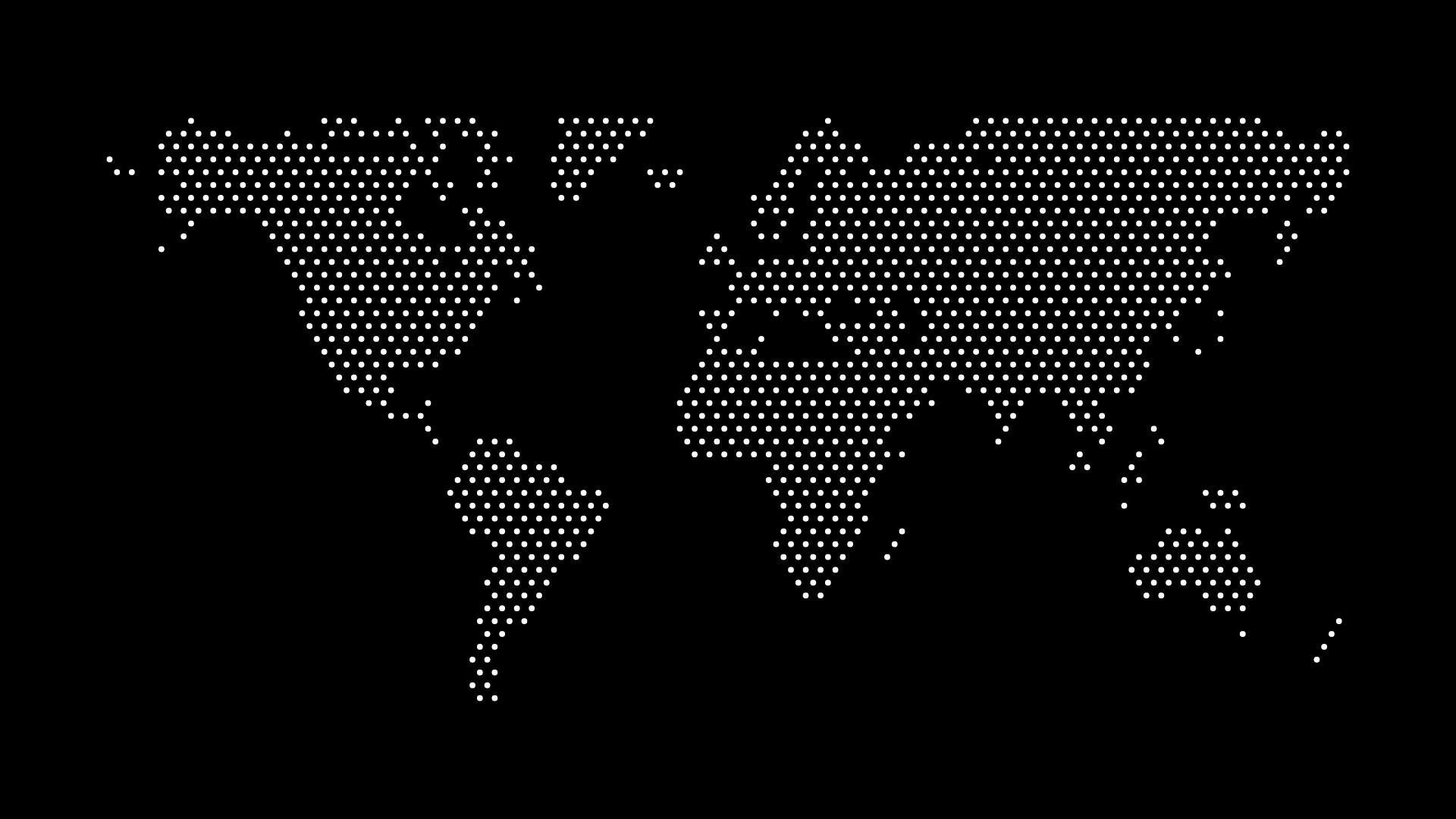
Connection line animations between cities create engaging visual effects that show relationships, routes, and connections on maps. Whether you're visualizing flight paths, trade routes, or network connections, animated lines add movement and guide viewers' attention along paths.
In this guide, we'll explore how to build connection line animations between cities using SVG and CSS.
Why Animate Connection Lines?
Animated connection lines offer several benefits:
- Visual interest — Adds movement to static maps
- Route visualization — Shows paths clearly
- Storytelling — Can tell stories through movement
- Professional polish — Adds sophistication
- User guidance — Guides attention along routes
SVG Path Animation
Basic Line Draw
<svg class="map">
  <path class="connection-line" d="M100,200 Q300,100 500,200"
        fill="none" stroke="#3b82f6" stroke-width="2" />
</svg>
.connection-line {
  stroke-dasharray: 1000;
  stroke-dashoffset: 1000;
  animation: drawLine 2s ease-out forwards;
}

@keyframes drawLine {
  to {
    stroke-dashoffset: 0;
  }
}
Calculate Path Length
const path = document.querySelector('.connection-line');
const pathLength = path.getTotalLength();

path.style.strokeDasharray = pathLength;
path.style.strokeDashoffset = pathLength;
path.style.animation = `drawLine 2s ease-out forwards`;
Multiple Connection Lines
Sequential Animation
function animateConnections(connections) {
  connections.forEach((connection, index) => {
    const path = document.querySelector(`.connection-${index}`);
    const pathLength = path.getTotalLength();

    path.style.strokeDasharray = pathLength;
    path.style.strokeDashoffset = pathLength;
    path.style.animation = `drawLine 1s ease-out ${index * 0.3}s forwards`;
  });
}
Staggered Reveal
.connection-line:nth-child(1) {
  animation-delay: 0s;
}

.connection-line:nth-child(2) {
  animation-delay: 0.3s;
}

.connection-line:nth-child(3) {
  animation-delay: 0.6s;
}
Animated Marker Along Path
Moving Dot
<svg class="map">
  <path id="route-path" d="M100,200 Q300,100 500,200"
        fill="none" stroke="#3b82f6" stroke-width="2" />
  <circle class="moving-dot" r="5" fill="#ef4444">
    <animateMotion dur="3s" repeatCount="indefinite">
      <mpath href="#route-path" />
    </animateMotion>
  </circle>
</svg>
JavaScript Approach
function animateMarkerAlongPath(pathElement, markerElement, duration = 3000) {
  const pathLength = pathElement.getTotalLength();
  const startTime = performance.now();

  function animate(currentTime) {
    const elapsed = currentTime - startTime;
    const progress = Math.min(elapsed / duration, 1);
    const ease = easeInOutCubic(progress);

    const point = pathElement.getPointAtLength(pathLength * ease);
    markerElement.setAttribute('cx', point.x);
    markerElement.setAttribute('cy', point.y);

    if (progress < 1) {
      requestAnimationFrame(animate);
    }
  }

  requestAnimationFrame(animate);
}

function easeInOutCubic(t) {
  return t < 0.5 ? 4 * t * t * t : 1 - Math.pow(-2 * t + 2, 3) / 2;
}
Curved Connections
Bezier Curves
function createCurvedConnection(x1, y1, x2, y2) {
  const midX = (x1 + x2) / 2;
  const midY = (y1 + y2) / 2;
  const curveHeight = Math.abs(x2 - x1) * 0.3;

  return `M${x1},${y1} Q${midX},${midY - curveHeight} ${x2},${y2}`;
}
Great Circle Arcs
function createGreatCircleArc(lat1, lon1, lat2, lon2, points = 50) {
  const path = [];
  for (let i = 0; i <= points; i++) {
    const t = i / points;
    const lat = lat1 + (lat2 - lat1) * t;
    const lon = lon1 + (lon2 - lon1) * t;
    const { x, y } = latLonToXY(lat, lon);
    path.push(`${i === 0 ? 'M' : 'L'}${x},${y}`);
  }
  return path.join(' ');
}
Line Styles
Dashed Animation
.connection-line {
  stroke-dasharray: 10 5;
  animation: dashMove 1s linear infinite;
}

@keyframes dashMove {
  to {
    stroke-dashoffset: 15;
  }
}
Gradient Stroke
<defs>
  <linearGradient id="lineGradient" x1="0%" y1="0%" x2="100%" y2="0%">
    <stop offset="0%" style="stop-color:#3b82f6;stop-opacity:0" />
    <stop offset="50%" style="stop-color:#3b82f6;stop-opacity:1" />
    <stop offset="100%" style="stop-color:#3b82f6;stop-opacity:0" />
  </linearGradient>
</defs>

<path class="connection-line" stroke="url(#lineGradient)" />
Animated Gradient
function animateGradient() {
  const gradient = document.querySelector('#lineGradient');
  let offset = 0;

  function update() {
    offset = (offset + 1) % 100;
    gradient.querySelector('stop:first-child').setAttribute('offset', `${offset}%`);
    gradient.querySelector('stop:last-child').setAttribute('offset', `${offset + 10}%`);
    requestAnimationFrame(update);
  }

  update();
}
Performance Optimization
Use CSS When Possible
/* Good - CSS animation */
.connection-line {
  animation: drawLine 2s ease-out;
}

/* Avoid - JavaScript if CSS can do it */
Limit Simultaneous Animations
function animateConnectionsSequentially(connections, delay = 300) {
  connections.forEach((connection, index) => {
    setTimeout(() => {
      animateConnection(connection);
    }, index * delay);
  });
}
Optimize Path Complexity
function simplifyPath(path, tolerance = 2) {
  // Use path simplification algorithm
  // Reduces points while maintaining shape
  return simplifiedPath;
}
Best Practices
Timing
- Appropriate duration — 1-3 seconds typically
- Smooth easing — Use ease-out or ease-in-out
- Not too fast — Allow viewers to follow
- Consistent timing — Uniform across lines
Visual Design
- Appropriate thickness — Visible but not overwhelming
- Good contrast — Stands out from map
- Color choice — Meaningful colors
- Clear paths — Obvious connections
Performance
- Limit animations — Don't animate too many simultaneously
- Use CSS — When possible instead of JavaScript
- Optimize paths — Simplify complex paths
- Test performance — Check on various devices
Common Patterns
Route Visualization
- Draw routes — Show travel paths
- Sequential reveal — One route at a time
- Moving markers — Animate along routes
- Complete journey — Full route display
Network Connections
- Show connections — Display relationships
- Staggered animation — Sequential reveal
- Connection strength — Thickness or color
- Network visualization — Complete network
Data Flow
- Show data flow — Animate data movement
- Direction indicators — Show flow direction
- Flow intensity — Visualize volume
- Dynamic updates — Change with data
Final Thoughts
Building connection line animations between cities creates engaging visual effects that show relationships, routes, and connections on maps. Whether drawing routes, animating markers along paths, or creating network visualizations, animated lines add movement and guide attention.
Start with clean SVG paths, implement smooth drawing animations, and optimize for performance. The result is professional map animations that effectively visualize connections and routes.
Ready to animate connection lines? Generate your dotted map and start creating connection line animations today.