Building Parallax Scrolling Effects with SVG Maps
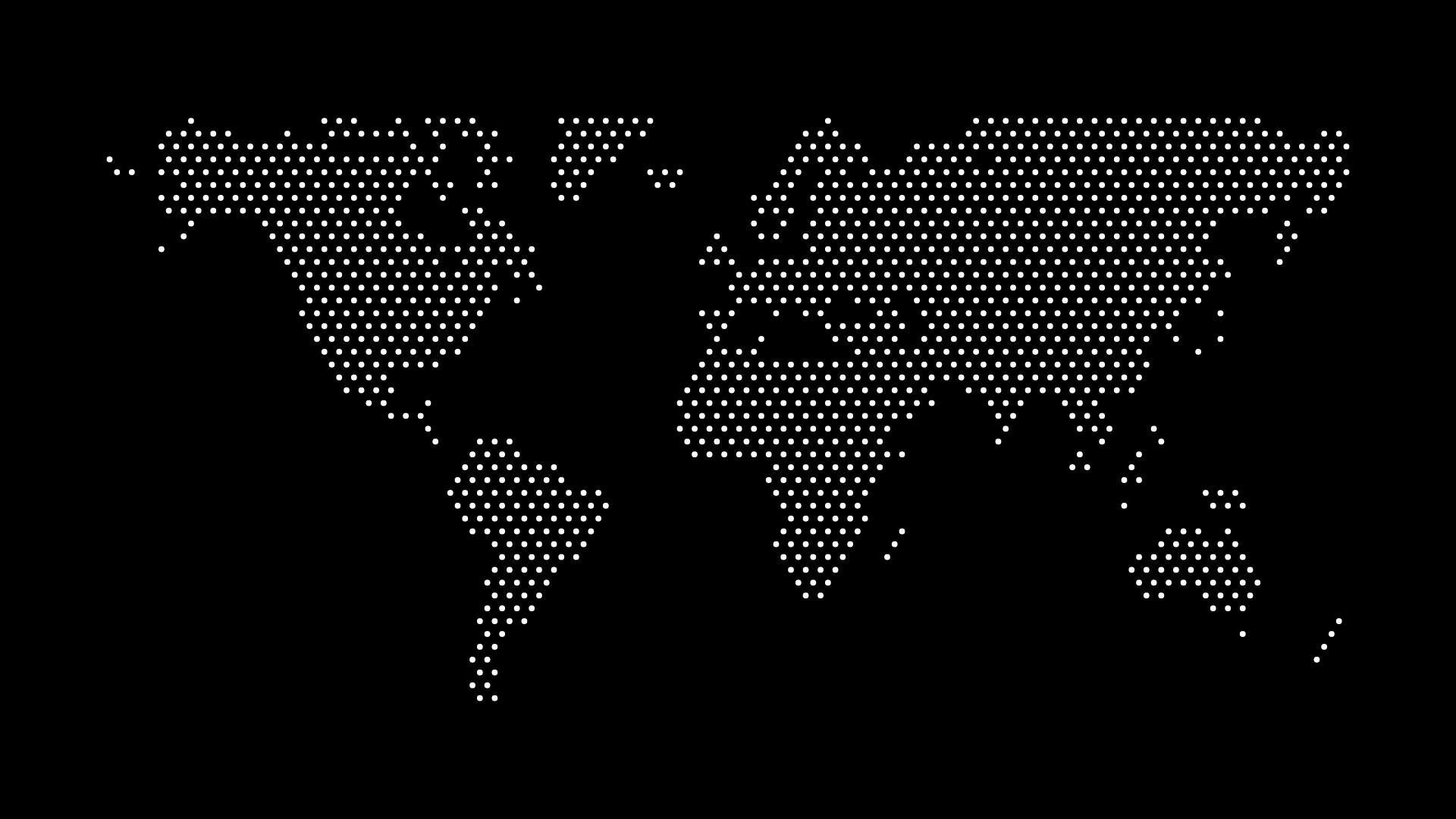
Parallax scrolling effects with SVG maps create depth and visual interest by moving map elements at different speeds as users scroll. This technique adds sophistication and engagement to web pages, creating immersive experiences that respond naturally to user interaction.
In this guide, we'll explore how to build parallax scrolling effects with SVG maps.
Why Use Parallax with Maps?
Parallax effects offer several benefits:
- Visual depth — Creates sense of depth
- Engagement — Keeps users interested
- Modern aesthetic — Contemporary design
- Professional polish — Adds sophistication
- Interactive feel — Responds to user action
Basic Parallax Implementation
Scroll Detection
let scrollPosition = 0;

window.addEventListener('scroll', () => {
  scrollPosition = window.pageYOffset || document.documentElement.scrollTop;
  updateParallax();
});

function updateParallax() {
  const map = document.querySelector('.map-container');
  const parallaxSpeed = 0.5;

  map.style.transform = `translateY(${scrollPosition * parallaxSpeed}px)`;
}
Multiple Layers
function initParallaxLayers() {
  const layers = [
    { element: '.map-background', speed: 0.2 },
    { element: '.map-regions', speed: 0.5 },
    { element: '.map-markers', speed: 0.8 }
  ];

  layers.forEach(layer => {
    const element = document.querySelector(layer.element);
    if (element) {
      element.dataset.speed = layer.speed;
    }
  });
}

function updateParallaxLayers(scrollPosition) {
  document.querySelectorAll('[data-speed]').forEach(element => {
    const speed = parseFloat(element.dataset.speed);
    const yPos = scrollPosition * speed;
    element.style.transform = `translateY(${yPos}px)`;
  });
}
SVG-Specific Parallax
Transform SVG Elements
function parallaxSVGElement(element, scrollPosition, speed) {
  const svg = element.ownerSVGElement;
  const svgPoint = svg.createSVGPoint();

  const transform = element.transform.baseVal;
  if (transform.numberOfItems === 0) {
    const translate = svg.createSVGTransform();
    translate.setTranslate(0, scrollPosition * speed);
    transform.appendItem(translate);
  } else {
    const translate = transform.getItem(0);
    translate.setTranslate(0, scrollPosition * speed);
  }
}
Animate SVG Paths
function parallaxSVGPath(path, scrollPosition, speed) {
  const pathLength = path.getTotalLength();
  const progress = (scrollPosition / window.innerHeight) % 1;
  const offset = pathLength * progress * speed;

  path.style.strokeDashoffset = offset;
}
Performance Optimization
Throttle Scroll Events
function throttle(func, limit) {
  let inThrottle;
  return function() {
    const args = arguments;
    const context = this;
    if (!inThrottle) {
      func.apply(context, args);
      inThrottle = true;
      setTimeout(() => inThrottle = false, limit);
    }
  }
}

const throttledScroll = throttle(updateParallax, 16); // ~60fps
window.addEventListener('scroll', throttledScroll);
Use CSS Transforms
/* Good - GPU accelerated */
.parallax-element {
  transform: translateY(0);
  will-change: transform;
}

/* Avoid - triggers layout */
.parallax-element {
  top: 0;
}
RequestAnimationFrame
let ticking = false;

function updateParallax() {
  if (!ticking) {
    window.requestAnimationFrame(() => {
      const scrollPosition = window.pageYOffset;
      updateParallaxElements(scrollPosition);
      ticking = false;
    });
    ticking = true;
  }
}

window.addEventListener('scroll', updateParallax);
Advanced Techniques
Horizontal Parallax
function horizontalParallax(element, scrollPosition, speed) {
  const xPos = scrollPosition * speed;
  element.style.transform = `translateX(${xPos}px)`;
}
Rotation Parallax
function rotationParallax(element, scrollPosition, speed) {
  const rotation = scrollPosition * speed;
  element.style.transform = `rotate(${rotation}deg)`;
}
Scale Parallax
function scaleParallax(element, scrollPosition, speed) {
  const scale = 1 + (scrollPosition * speed / 1000);
  element.style.transform = `scale(${scale})`;
}
Best Practices
Subtle Effects
- Not too extreme — Subtle movement
- Natural feel — Smooth and natural
- Purposeful — Enhances content
- Not distracting — Doesn't overwhelm
Performance
- Optimize — Use transforms
- Limit layers — Don't overdo it
- Test performance — Check on various devices
- Smooth animation — 60fps target
Accessibility
- Respect preferences — prefers-reduced-motion
- Keyboard navigation — Still functional
- Don't rely on parallax — Content accessible without it
- Test accessibility — Ensure usability
Common Patterns
Background Parallax
- Slow background — Moves slowly
- Fast foreground — Moves quickly
- Depth effect — Creates depth
- Smooth movement — Natural feel
Element Parallax
- Different speeds — Various elements
- Layered effect — Multiple layers
- Coordinated movement — Works together
- Visual interest — Engaging effect
Scroll-Based Animation
- Reveal on scroll — Elements appear
- Transform on scroll — Change with scroll
- Progressive reveal — Sequential appearance
- Interactive feel — Responds to scroll
Final Thoughts
Building parallax scrolling effects with SVG maps creates depth and visual interest that enhances web experiences. Whether using simple vertical parallax, multiple layers, or advanced transformations, parallax effects add sophistication and engagement.
Start with subtle effects, optimize for performance, and ensure smooth animations. The result is engaging map experiences that respond naturally to user scrolling and create immersive visual effects.
Ready to add parallax effects? Generate your dotted map and start creating parallax scrolling experiences today.