Choosing Between World Maps and Regional Focus
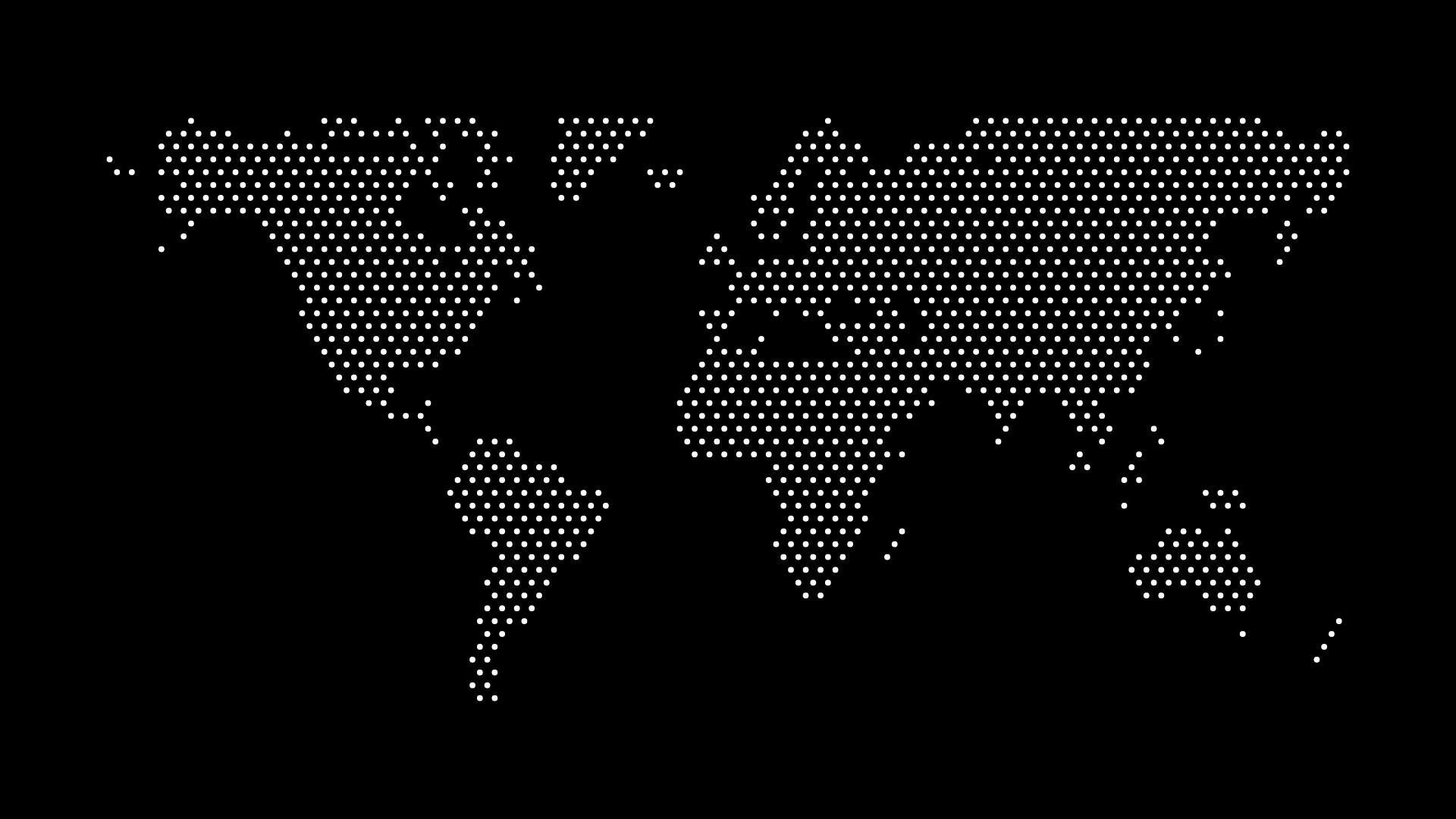
Choosing between world maps and regional focus is a fundamental decision that affects the detail level, information density, and visual impact of your map. Each approach serves different purposes and communicates different messages. Understanding when to use each helps create effective, appropriate visualizations.
In this guide, we'll explore when to use world maps versus regional focus and how to make the right choice.
World Maps
World maps show the entire globe, providing a global perspective and context. They emphasize worldwide reach, global connections, and international scope.
Characteristics:
- Global perspective
- Broad context
- Worldwide reach
- International scope
- Less detail per region
Regional Focus Maps
Regional focus maps zoom into specific areas, providing detailed views of particular regions, countries, or areas. They emphasize local detail, regional specificity, and focused information.
Characteristics:
- Detailed view
- Regional specificity
- Local focus
- High detail level
- Focused information
When to Use World Maps
Global Perspective
Best For:
- Showing worldwide presence
- Demonstrating global reach
- International context
- Worldwide connections
Examples:
- Global company presence
- International service coverage
- Worldwide distribution
- Global market visualization
Requirements:
- Global context needed
- Worldwide scope
- International perspective
- Broad overview
Comparative Context
Best For:
- Comparing regions globally
- Showing relative positions
- Geographic relationships
- International comparisons
Examples:
- Regional comparisons
- Global market analysis
- International trade
- Worldwide statistics
Requirements:
- Comparative context
- Relative positioning
- Geographic relationships
- Global comparison
When to Use Regional Focus
Detailed Information
Best For:
- Showing specific details
- Regional specificity
- Local information
- Detailed visualization
Examples:
- City-level detail
- Regional market analysis
- Local service areas
- Detailed geographic features
Requirements:
- High detail needed
- Regional specificity
- Local focus
- Detailed information
Focused Communication
Best For:
- Emphasizing specific regions
- Regional marketing
- Local context
- Targeted messaging
Examples:
- Regional campaigns
- Local market focus
- Regional services
- Area-specific content
Requirements:
- Regional emphasis
- Local context
- Focused messaging
- Targeted audience
Design Considerations
Detail Level
World Maps:
- Less detail — General overview
- Simplified features — Basic geography
- General information — Broad context
- Overview focus — High-level view
Regional Focus:
- More detail — Specific information
- Detailed features — Rich geography
- Specific information — Focused context
- Detail focus — In-depth view
Information Density
World Maps:
- Lower density — Less information per area
- General data — Broad statistics
- Overview data — High-level metrics
- Sparse information — Limited detail
Regional Focus:
- Higher density — More information per area
- Specific data — Detailed statistics
- Detailed data — In-depth metrics
- Rich information — Extensive detail
Visual Impact
World Maps:
- Global impact — Worldwide impression
- Broad appeal — International audience
- Scale impression — Large scope
- Context emphasis — Global context
Regional Focus:
- Local impact — Regional impression
- Targeted appeal — Regional audience
- Detail impression — Specific scope
- Focus emphasis — Regional context
Hybrid Approaches
Multiple Views
You can combine approaches:
- World overview — Global context
- Regional detail — Focused views
- Progressive zoom — From global to local
- Multiple maps — Different scales
Example: A world map showing global presence with detailed regional maps for specific areas.
Interactive Zoom
Approach:
- Start with world view
- Allow zoom to regions
- Progressive detail
- Interactive exploration
Benefits:
- Global context
- Regional detail
- User control
- Flexible exploration
Decision Framework
Choose World Maps When:
- ✅ Global perspective needed
- ✅ Worldwide context important
- ✅ International scope
- ✅ Comparative context
- ✅ Broad overview sufficient
Choose Regional Focus When:
- ✅ Detailed information needed
- ✅ Regional specificity important
- ✅ Local context required
- ✅ Focused communication
- ✅ High detail level needed
Best Practices
Clarity
- Appropriate scale — Right level of detail
- Clear information — Readable at scale
- Purposeful choice — Matches needs
- Effective communication — Serves purpose
Integration
- Consistent style — Uniform design
- Appropriate detail — Right information level
- Clear purpose — Obvious intent
- Effective use — Serves function
Final Thoughts
Choosing between world maps and regional focus depends on your information needs, audience, and communication goals. World maps excel at providing global context and demonstrating worldwide reach. Regional focus excels at showing detailed information and emphasizing specific areas.
Consider your primary goal: global context favors world maps, while detailed information favors regional focus. Understanding these differences helps you create effective, appropriate map visualizations.
Ready to choose your map scope? Consider your information needs and select the approach that best serves your communication goals.