Creating Progress Animations Across Map Regions
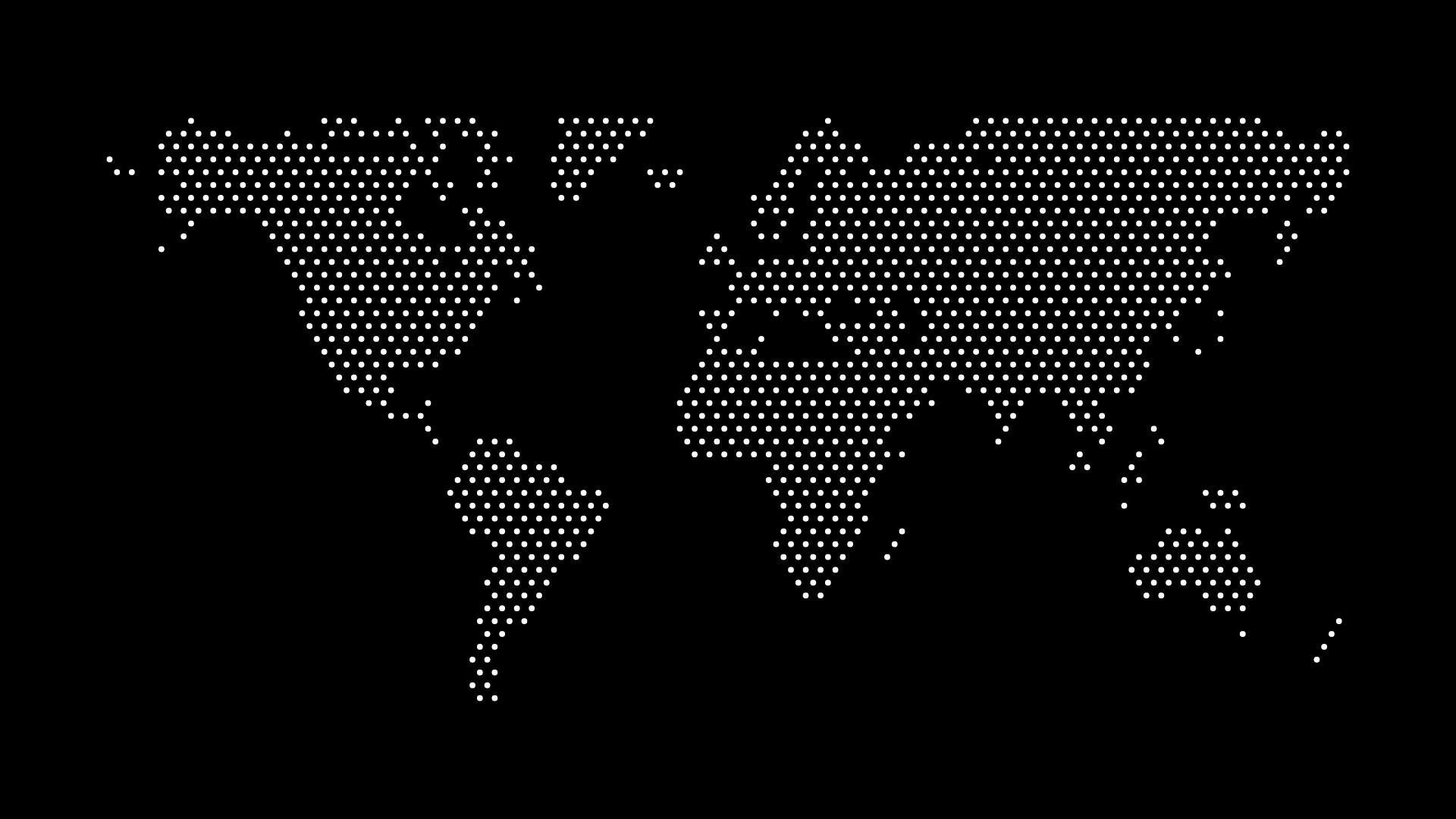
Progress animations across map regions create compelling visualizations that show data progression, completion tracking, or status changes over time. Whether you're visualizing sales progress, project completion, or data growth, animated progress fills add dynamic visual interest and effectively communicate information.
In this guide, we'll explore how to create progress animations across map regions using SVG and CSS.
Why Use Progress Animations?
Progress animations offer several benefits:
- Visual impact — Dramatic visual effect
- Data visualization — Effective for showing progress
- Engagement — Keeps viewers interested
- Storytelling — Can tell stories through progression
- Professional polish — Adds sophistication
Basic Progress Fill
SVG Path Fill Animation
<svg class="map">
  <defs>
    <clipPath id="region-clip">
      <path id="region-path" d="M100,100 L200,100 L200,200 L100,200 Z" />
    </clipPath>
  </defs>

  <rect class="progress-fill" x="100" y="100" width="100" height="100"
        clip-path="url(#region-clip)" fill="#3b82f6" />
  <path class="region-outline" d="M100,100 L200,100 L200,200 L100,200 Z"
        fill="none" stroke="#333" stroke-width="2" />
</svg>
.progress-fill {
  width: 0;
  transition: width 2s ease-out;
}

.progress-fill.animate {
  width: 100;
}
Mask-Based Fill
<svg class="map">
  <defs>
    <mask id="progress-mask">
      <rect id="mask-rect" x="0" y="0" width="0" height="100%" fill="white" />
    </mask>
  </defs>

  <path class="region" d="M100,100 L200,100 L200,200 L100,200 Z"
        fill="#3b82f6" mask="url(#progress-mask)" />
</svg>
function animateProgress(maskRect, targetWidth, duration = 2000) {
  const startTime = performance.now();
  const startWidth = 0;

  function animate(currentTime) {
    const elapsed = currentTime - startTime;
    const progress = Math.min(elapsed / duration, 1);
    const ease = easeOutCubic(progress);

    const currentWidth = startWidth + (targetWidth - startWidth) * ease;
    maskRect.setAttribute('width', currentWidth);

    if (progress < 1) {
      requestAnimationFrame(animate);
    }
  }

  requestAnimationFrame(animate);
}
Percentage-Based Progress
Animate to Percentage
function animateRegionProgress(region, percentage, duration = 2000) {
  const path = document.querySelector(`.region-${region}`);
  const pathLength = path.getTotalLength();
  const targetLength = pathLength * (percentage / 100);

  path.style.strokeDasharray = pathLength;
  path.style.strokeDashoffset = pathLength;
  path.style.transition = `stroke-dashoffset ${duration}ms ease-out`;
  path.style.strokeDashoffset = pathLength - targetLength;
}
Fill from Bottom
function fillFromBottom(element, percentage) {
  const height = element.getBBox().height;
  const fillHeight = height * (percentage / 100);

  const fillRect = document.createElementNS('http://www.w3.org/2000/svg', 'rect');
  fillRect.setAttribute('x', element.getBBox().x);
  fillRect.setAttribute('y', element.getBBox().y + height - fillHeight);
  fillRect.setAttribute('width', element.getBBox().width);
  fillRect.setAttribute('height', fillHeight);
  fillRect.setAttribute('fill', '#3b82f6');

  element.parentNode.insertBefore(fillRect, element);
}
Sequential Region Animation
Animate Regions One by One
function animateRegionsSequentially(regions, progressData, delay = 300) {
  regions.forEach((region, index) => {
    setTimeout(() => {
      const progress = progressData[region.id] || 0;
      animateRegionProgress(region, progress);
    }, index * delay);
  });
}
Staggered Start
.region-progress:nth-child(1) {
  animation-delay: 0s;
}

.region-progress:nth-child(2) {
  animation-delay: 0.3s;
}

.region-progress:nth-child(3) {
  animation-delay: 0.6s;
}
Data-Driven Progress
Update from Data
function updateProgressFromData(data) {
  Object.keys(data).forEach(regionId => {
    const progress = data[regionId];
    const region = document.querySelector(`.region-${regionId}`);

    if (region) {
      animateRegionProgress(region, progress);
    }
  });
}

// Example usage
const progressData = {
  'north-america': 75,
  'europe': 60,
  'asia': 90
};

updateProgressFromData(progressData);
Real-Time Updates
function connectToDataStream(callback) {
  // Simulate data stream
  setInterval(() => {
    const newData = fetchProgressData();
    callback(newData);
  }, 1000);
}

connectToDataStream((data) => {
  updateProgressFromData(data);
});
Visual Variations
Color-Coded Progress
function getProgressColor(percentage) {
  if (percentage >= 80) return '#10b981'; // Green
  if (percentage >= 50) return '#f59e0b'; // Yellow
  return '#ef4444'; // Red
}

function animateWithColor(region, percentage) {
  const color = getProgressColor(percentage);
  animateRegionProgress(region, percentage);
  updateRegionColor(region, color);
}
Gradient Progress
<defs>
  <linearGradient id="progress-gradient">
    <stop offset="0%" stop-color="#3b82f6" />
    <stop offset="100%" stop-color="#8b5cf6" />
  </linearGradient>
</defs>
Pulsing Progress
.progress-fill {
  animation: pulseProgress 2s ease-in-out infinite;
}

@keyframes pulseProgress {
  0%, 100% {
    opacity: 1;
  }
  50% {
    opacity: 0.8;
  }
}
Performance Optimization
Use CSS When Possible
/* Good - CSS animation */
.progress-fill {
  transition: width 2s ease-out;
}

/* Avoid - JavaScript if CSS can do it */
Batch Updates
function batchUpdateProgress(updates) {
  requestAnimationFrame(() => {
    updates.forEach(update => {
      animateRegionProgress(update.region, update.progress);
    });
  });
}
Best Practices
Timing
- Appropriate duration — 1-3 seconds typically
- Smooth easing — Use ease-out
- Not too fast — Allow viewers to follow
- Consistent timing — Uniform across regions
Visual Design
- Clear progress — Obvious fill direction
- Good contrast — Readable progress
- Color meaning — Meaningful colors
- Professional appearance — Polished execution
Data Accuracy
- Accurate percentages — Correct data
- Current information — Up-to-date
- Proper scaling — Correct proportions
- Reliable updates — Consistent data
Common Patterns
Completion Tracking
- Fill to completion — Show completion percentage
- Color coding — Status colors
- Sequential reveal — One region at a time
- Completion indicators — Visual completion
Data Growth
- Animate growth — Show data increase
- Time-based — Progress over time
- Comparative — Compare regions
- Dynamic updates — Real-time changes
Status Visualization
- Status colors — Different statuses
- Progress levels — Various levels
- Status changes — Animate changes
- Visual indicators — Clear status
Final Thoughts
Creating progress animations across map regions creates compelling visualizations that effectively communicate progress, completion, or data growth. Whether animating completion tracking, data visualization, or status changes, progress animations add dynamic visual interest.
Start with accurate data, choose appropriate animation techniques, and ensure smooth, readable progress fills. The result is engaging map visualizations that effectively communicate progress and status information.
Ready to animate progress? Generate your dotted map and start creating progress animations today.