Creating Zoom-In Effects for Map Presentations
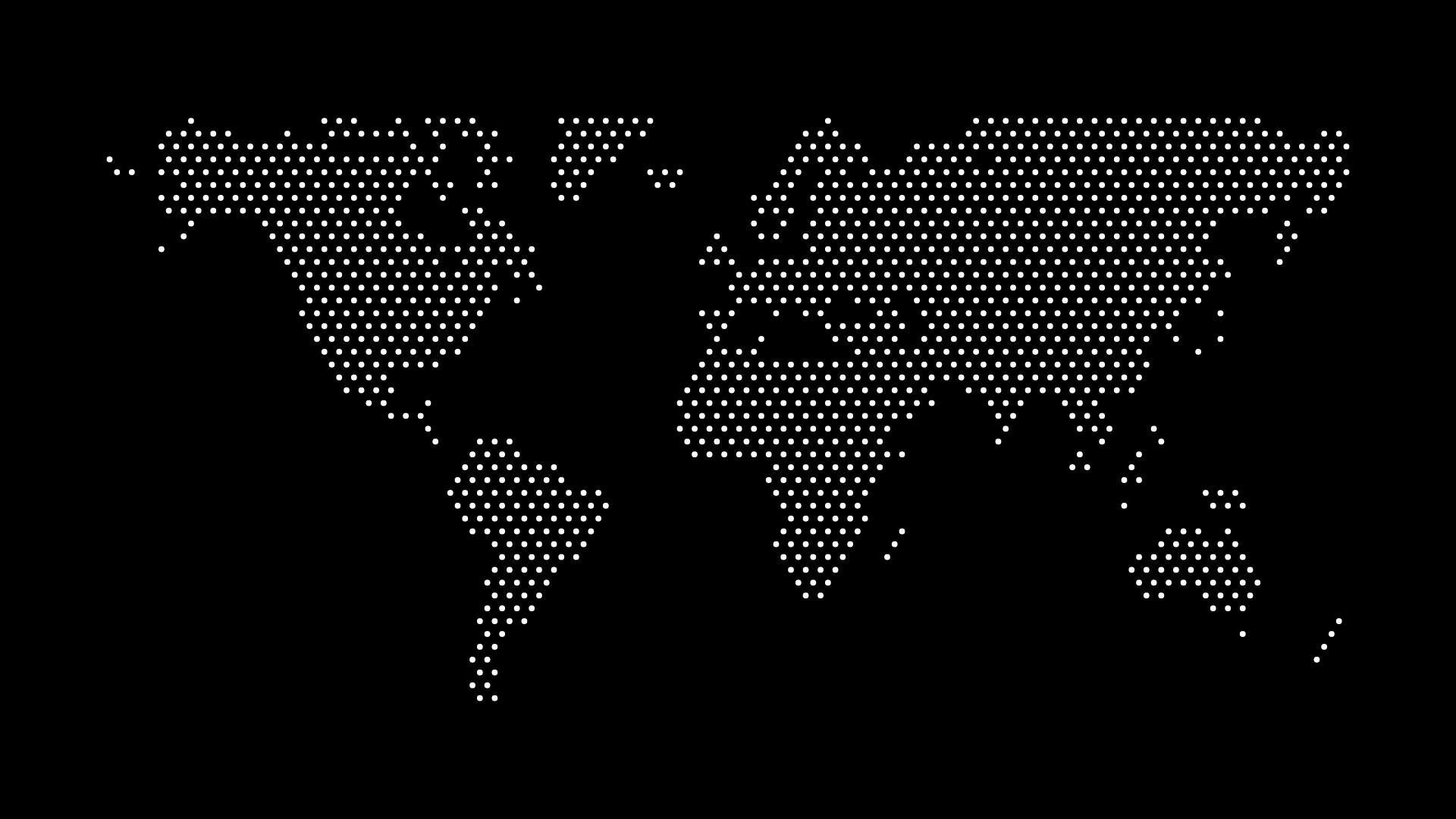
Zoom-in effects for map presentations create dramatic, engaging transitions that focus attention on specific regions or locations. Whether you're creating presentation slides, website animations, or interactive maps, zoom effects add professional polish and visual impact.
In this guide, we'll explore how to create effective zoom-in effects for map presentations using CSS and JavaScript.
Why Use Zoom-In Effects?
Zoom-in effects offer several benefits:
- Focus attention — Draws eyes to specific areas
- Dramatic impact — Creates visual interest
- Storytelling — Can guide narrative flow
- Professional polish — Adds sophistication
- Presentation value — Impressive for audiences
CSS Transform Approach
Basic Zoom Animation
.map-container {
  transform-origin: center center;
  animation: zoomIn 2s ease-out forwards;
}

@keyframes zoomIn {
  from {
    transform: scale(1);
  }
  to {
    transform: scale(2);
  }
}
Zoom with Pan
.map-container {
  transform-origin: 30% 40%; /* Zoom focus point */
  animation: zoomInPan 2s ease-out forwards;
}

@keyframes zoomInPan {
  from {
    transform: scale(1) translate(0, 0);
  }
  to {
    transform: scale(3) translate(-200px, -150px);
  }
}
SVG ViewBox Animation
Animated ViewBox
function zoomToRegion(svg, targetViewBox, duration = 2000) {
  const currentViewBox = svg.viewBox.baseVal;
  const startViewBox = {
    x: currentViewBox.x,
    y: currentViewBox.y,
    width: currentViewBox.width,
    height: currentViewBox.height
  };

  const startTime = performance.now();

  function animate(currentTime) {
    const elapsed = currentTime - startTime;
    const progress = Math.min(elapsed / duration, 1);
    const ease = easeOutCubic(progress);

    const current = {
      x: startViewBox.x + (targetViewBox.x - startViewBox.x) * ease,
      y: startViewBox.y + (targetViewBox.y - startViewBox.y) * ease,
      width: startViewBox.width + (targetViewBox.width - startViewBox.width) * ease,
      height: startViewBox.height + (targetViewBox.height - startViewBox.height) * ease
    };

    svg.setAttribute('viewBox', `${current.x} ${current.y} ${current.width} ${current.height}`);

    if (progress < 1) {
      requestAnimationFrame(animate);
    }
  }

  requestAnimationFrame(animate);
}

function easeOutCubic(t) {
  return 1 - Math.pow(1 - t, 3);
}
CSS Animation Variations
Smooth Zoom with Fade
.map-container {
  animation: zoomInFade 2s ease-out forwards;
}

@keyframes zoomInFade {
  from {
    opacity: 0.8;
    transform: scale(1);
  }
  to {
    opacity: 1;
    transform: scale(2.5);
  }
}
Zoom with Rotation
.map-container {
  transform-origin: center center;
  animation: zoomRotate 2s ease-out forwards;
}

@keyframes zoomRotate {
  from {
    transform: scale(1) rotate(0deg);
  }
  to {
    transform: scale(2) rotate(5deg);
  }
}
Multi-Stage Zoom
.map-container {
  animation: multiZoom 3s ease-in-out forwards;
}

@keyframes multiZoom {
  0% {
    transform: scale(1);
  }
  50% {
    transform: scale(1.5);
  }
  100% {
    transform: scale(3);
  }
}
JavaScript Control
Interactive Zoom
class MapZoom {
  constructor(mapElement) {
    this.map = mapElement;
    this.currentScale = 1;
    this.targetScale = 1;
    this.zoomSpeed = 0.1;
  }

  zoomTo(targetScale, focusX, focusY, duration = 1000) {
    this.targetScale = targetScale;
    const startScale = this.currentScale;
    const startTime = performance.now();

    const animate = (currentTime) => {
      const elapsed = currentTime - startTime;
      const progress = Math.min(elapsed / duration, 1);
      const ease = this.easeInOutQuad(progress);

      this.currentScale = startScale + (targetScale - startScale) * ease;

      // Adjust transform origin for focus point
      const scaleDiff = this.currentScale - startScale;
      const translateX = (focusX - this.map.offsetWidth / 2) * (1 - this.currentScale / startScale);
      const translateY = (focusY - this.map.offsetHeight / 2) * (1 - this.currentScale / startScale);

      this.map.style.transform = `translate(${translateX}px, ${translateY}px) scale(${this.currentScale})`;

      if (progress < 1) {
        requestAnimationFrame(animate);
      }
    };

    requestAnimationFrame(animate);
  }

  easeInOutQuad(t) {
    return t < 0.5 ? 2 * t * t : -1 + (4 - 2 * t) * t;
  }
}
Presentation Integration
Slide Transitions
function zoomToSlideRegion(slideIndex, region) {
  const map = document.querySelector('.map-container');
  const regions = {
    1: { scale: 2, x: 0, y: 0 },
    2: { scale: 3, x: -300, y: -200 },
    3: { scale: 2.5, x: 200, y: -100 }
  };

  const target = regions[slideIndex];
  map.style.transform = `translate(${target.x}px, ${target.y}px) scale(${target.scale})`;
  map.style.transition = 'transform 1s ease-out';
}
Sequential Zoom Points
function animateZoomSequence(zoomPoints, delay = 2000) {
  let currentIndex = 0;

  function zoomToNext() {
    if (currentIndex >= zoomPoints.length) return;

    const point = zoomPoints[currentIndex];
    zoomToRegion(point.region, point.scale, point.duration);

    currentIndex++;
    setTimeout(zoomToNext, delay);
  }

  zoomToNext();
}
Best Practices
Timing
- Appropriate duration — 1-3 seconds typically
- Smooth easing — Use ease-out or ease-in-out
- Not too fast — Allow viewers to follow
- Not too slow — Keep engagement
Focus Point
- Clear focus — Obvious zoom target
- Centered focus — Center on important area
- Logical sequence — Zoom to relevant regions
- Purposeful zoom — Each zoom has purpose
Performance
- Use transforms — GPU acceleration
- Optimize SVG — Simplify complex paths
- Limit simultaneous zooms — One at a time
- Test performance — Check on various devices
Common Patterns
Single Region Zoom
- Focus on one area — Zoom to specific region
- Clear target — Obvious zoom destination
- Smooth transition — Natural movement
- Complete zoom — Full zoom to target
Multi-Region Tour
- Sequence of zooms — Multiple regions
- Logical order — Meaningful sequence
- Pause between — Time to absorb
- Return to overview — Reset between
Interactive Zoom
- User-controlled — Click to zoom
- Smooth transitions — Animated zoom
- Zoom out option — Return to overview
- Multiple levels — Progressive zoom
Final Thoughts
Creating zoom-in effects for map presentations adds dramatic visual impact and helps focus attention on specific regions. Whether using CSS animations, SVG viewBox manipulation, or JavaScript control, zoom effects create engaging, professional presentations.
Start with a clean SVG map, determine your zoom targets, and implement smooth zoom animations with appropriate timing. The result is impressive map presentations that guide viewers' attention and tell compelling stories.
Ready to add zoom effects? Generate your dotted map and start creating zoom-in animations today.