Dealing with Extreme Latitude Distortion in Maps
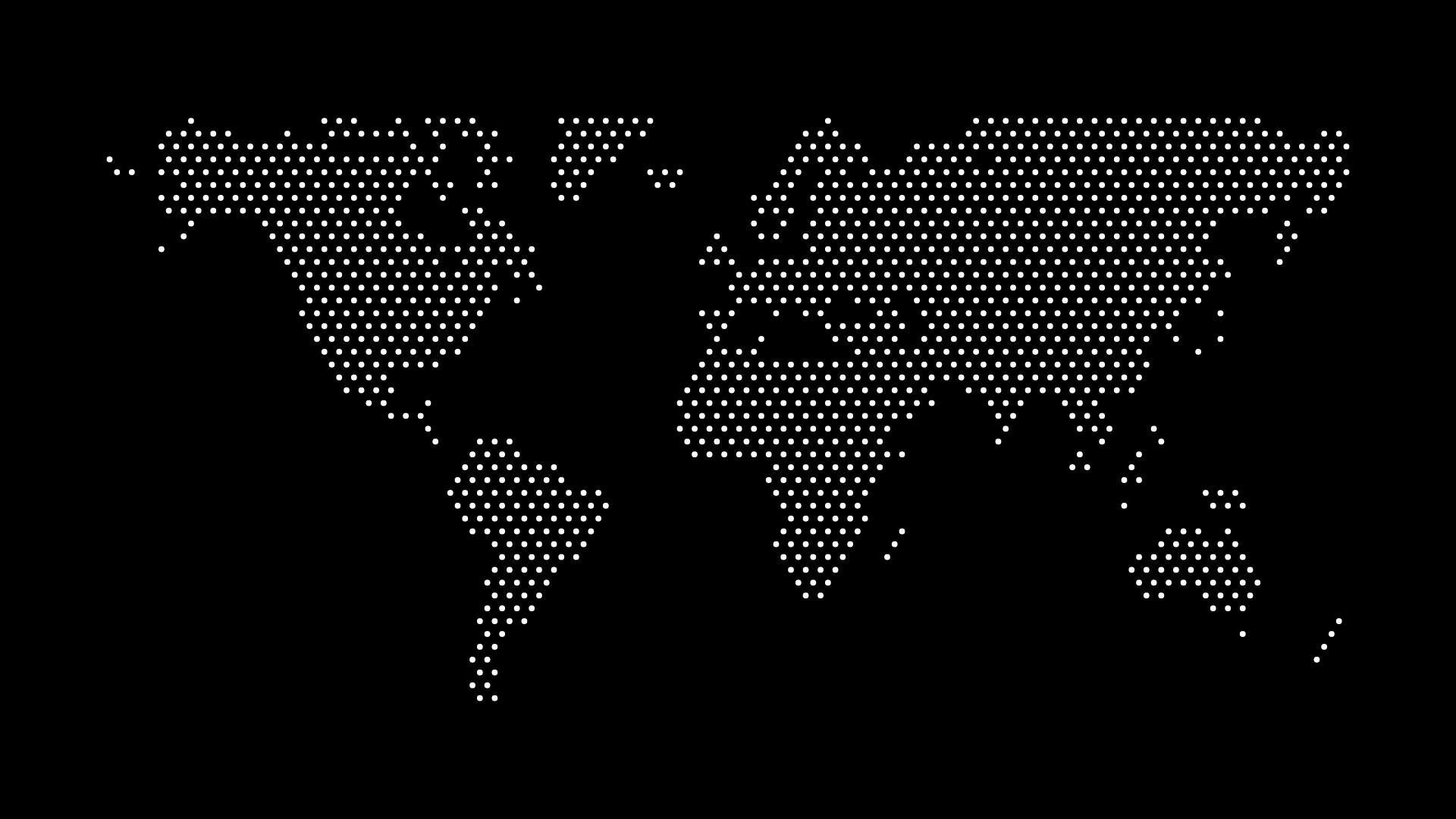
Extreme latitude distortion is a fundamental challenge in map projections, particularly affecting polar regions and high-latitude areas. Understanding distortion and how to address it helps create more accurate, effective map visualizations.
In this guide, we'll explore how to deal with extreme latitude distortion in maps.
Understanding Distortion
Map projection distortion occurs because representing a spherical Earth on a flat surface requires trade-offs. Extreme latitudes experience significant distortion in area, shape, distance, or direction depending on the projection used.
Common Issues:
- Area distortion
- Shape distortion
- Distance distortion
- Direction distortion
Common Projections and Distortion
Mercator Projection
Characteristics:
- Preserves angles
- Straight lines for navigation
- Extreme area distortion at poles
- Greenland appears larger than Africa
Distortion:
- Minimal near equator
- Extreme at poles
- Area increases toward poles
- Shape preserved locally
Best For:
- Navigation
- Equatorial regions
- Angle preservation needed
Equal Area Projections
Characteristics:
- Preserves area
- Distorts shape
- Better for area comparisons
- More accurate proportions
Distortion:
- Area accurate
- Shape distorted
- Better polar representation
- More balanced
Best For:
- Area comparisons
- Statistical mapping
- Proportional representation
Solutions
Choose Appropriate Projection
Approach:
- Select projection for purpose
- Consider distortion trade-offs
- Match projection to use case
- Optimize for needs
Guidelines:
- Navigation → Mercator
- Area comparison → Equal area
- General purpose → Compromise projection
- Regional focus → Regional projection
Regional Focus
Approach:
- Focus on specific regions
- Use regional projections
- Minimize distortion for area
- Optimize for region
Techniques:
- Regional map focus
- Appropriate projection
- Distortion minimization
- Regional optimization
Multiple Views
Approach:
- Show different projections
- Provide multiple views
- Compare perspectives
- Comprehensive representation
Techniques:
- Multiple map views
- Different projections
- Comparative display
- Comprehensive approach
Design Considerations
Awareness
Approach:
- Understand distortion
- Acknowledge limitations
- Consider implications
- Make informed choices
Considerations:
- Distortion awareness
- Limitation understanding
- Implication consideration
- Informed decisions
Communication
Approach:
- Explain distortion when relevant
- Provide context
- Clarify limitations
- Educate users
Techniques:
- Explanatory notes
- Contextual information
- Limitation disclosure
- User education
Best Practices
Projection Selection
- Match purpose — Choose appropriate projection
- Consider distortion — Understand trade-offs
- Optimize for use — Best for application
- Test effectiveness — Verify suitability
Visual Design
- Appropriate styling — Match projection
- Clear representation — Obvious features
- Good contrast — Readable display
- Professional quality — Polished execution
User Communication
- Explain when needed — Provide context
- Clarify limitations — Honest representation
- Educate users — Help understanding
- Transparent approach — Clear communication
Technical Solutions
SVG Implementation
Approaches:
- Use appropriate projection
- Handle distortion
- Optimize rendering
- Ensure accuracy
Techniques:
- Projection algorithms
- Distortion handling
- Rendering optimization
- Accuracy maintenance
Interactive Solutions
Approaches:
- Multiple projections
- Interactive switching
- Comparison views
- User exploration
Benefits:
- Multiple perspectives
- User control
- Comparative views
- Enhanced understanding
Final Thoughts
Dealing with extreme latitude distortion requires understanding projection trade-offs and choosing appropriate solutions. Whether selecting suitable projections, focusing on regions, or providing multiple views, thoughtful approaches ensure more accurate, effective map visualizations.
Consider your purpose, understand distortion implications, and choose appropriate solutions. The result is maps that effectively represent geography while acknowledging and addressing projection limitations.
Ready to handle distortion? Consider your needs and choose projection approaches that best serve your visualization goals.