Designing a Dotted World Map Jigsaw Puzzle
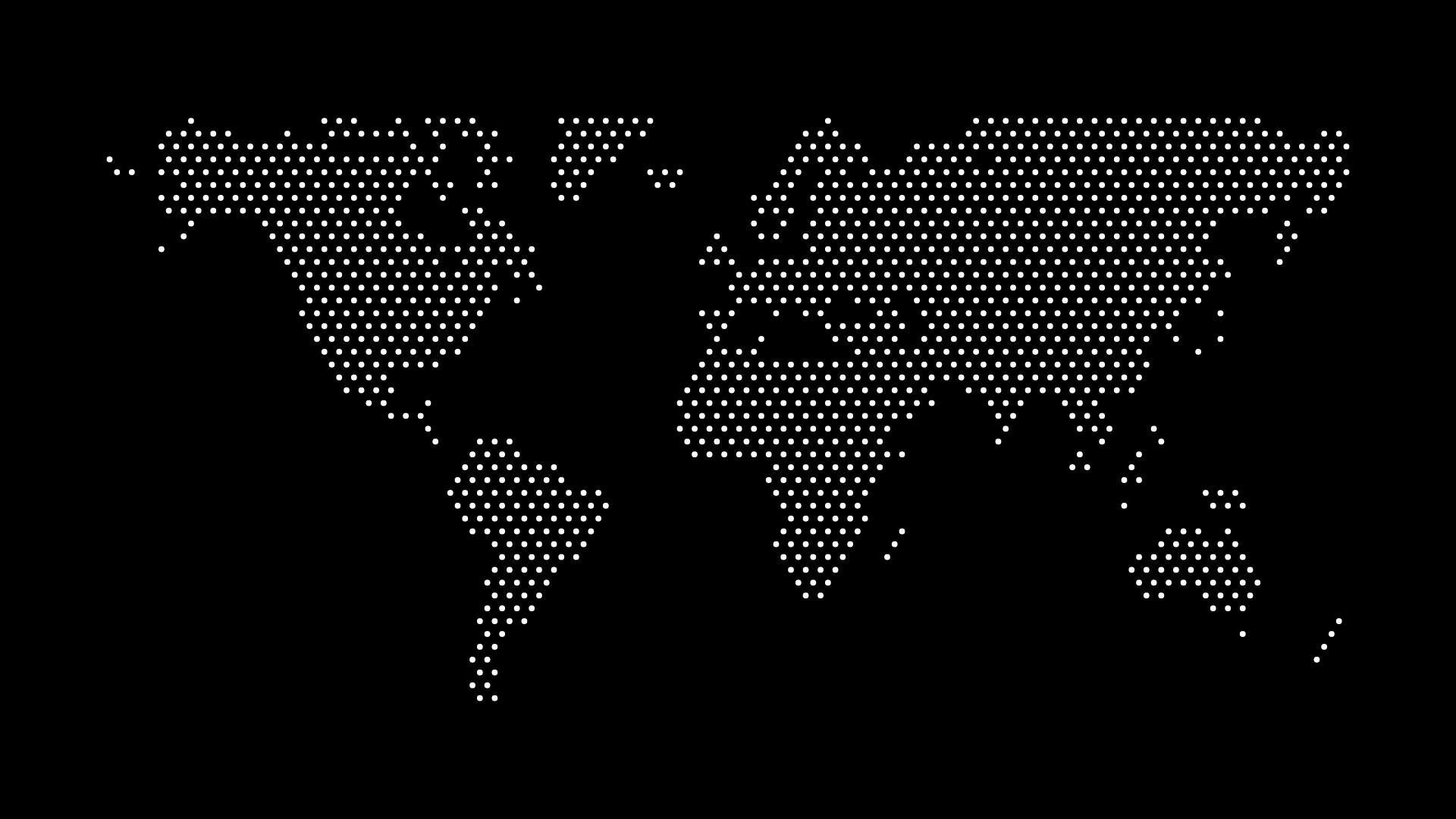
A world map is one of the most common jigsaw puzzle subjects out there, and most of them look identical: filled, colored countries with printed borders. Designing a dotted world map jigsaw puzzle is a way to stand out from that shelf of near-identical products — the dot pattern reads as modern and minimal rather than like a classroom wall poster, which matters if you're selling into a home decor or design-conscious gift market rather than a strictly educational one.
The catch is that puzzles and board games have a constraint most map graphics don't: the image gets physically cut into dozens or hundreds of pieces, and it has to still make sense to someone holding one piece in isolation. A dot-pattern map that looks great as a single flat image can fall apart — visually, not just literally — once you consider what a single puzzle piece actually shows.
Why Dot Density Matters More Here Than Anywhere Else
On a screen or a poster, a fine, dense dot pattern usually looks more refined. On a puzzle, it works against you:
- Too-fine dots disappear into piece boundaries — a dot near a cut line can end up split awkwardly between two pieces, or lost in the gap between them.
- Too-sparse dots leave large blank pieces — a piece landing entirely in open ocean or a low-density region gives the solver nothing to orient by.
- Medium, evenly-spaced dots are the safer choice for a physical product — dense enough that most pieces contain a recognizable fragment of the pattern, sparse enough that individual dots stay crisp after printing and lamination.
Contrast Is What Makes a Cut-Apart Map Solvable
A puzzle solver relies on color and edge contrast far more than someone reading a flat digital map, since they're matching tiny fragments rather than seeing the whole picture. Keep land and ocean clearly distinguished with real contrast rather than two close shades of the same color — a subtle, elegant palette that works beautifully as a website hero can make an actual puzzle meaningfully harder and less fun to solve, which is the opposite of what a game product wants.
If you're highlighting continents or regions in different accent colors (a common approach for kids' puzzles and geography-focused board games), keep those colors clearly distinct from each other too — a green-on-green Africa-versus-South-America distinction that reads fine on screen becomes genuinely ambiguous once cut into one-inch pieces.
Preparing the File for a Manufacturer
Puzzle and board game manufacturers work from high-resolution print files, so start with an SVG world map rather than a screen-resolution export — it scales to whatever board size the manufacturer specifies without softening, and most puzzle printers can work directly from vector artwork or a high-DPI raster export generated from it. Build in bleed around the full board edge per your manufacturer's spec, since puzzle boards are typically die-cut and any artwork that should reach the true edge needs margin to survive slight cutting variance.
For an educational product aimed at classrooms or younger solvers, pair the puzzle with printable continent maps for classroom activities or blank world map templates for students and teachers as companion worksheets — a puzzle plus a matching blank map for labeling practice is a common bundle in the educational product space.
Labels, Legends, and Board Game Extensions
If the puzzle doubles as a board game board rather than a pure picture puzzle, keep any country labels or numbered regions in a consistent, generously sized typeface — text that's legible on a flat proof can become unreadable once printed at final board scale and viewed at a normal seated distance. Reserve labels for the countries the game actually uses; a board cluttered with every country name adds visual noise without adding gameplay value.
Final Thoughts
A dotted world map makes a genuinely distinctive jigsaw puzzle or board game board, but the design choices that work for a screen or a poster don't automatically survive being cut into pieces. Favor medium, even dot spacing, real color contrast between land and ocean, and a high-resolution vector file built to your manufacturer's bleed spec, and the pattern will still read clearly one piece at a time.