Dot Density Maps vs Dotted Style Maps: Key Differences
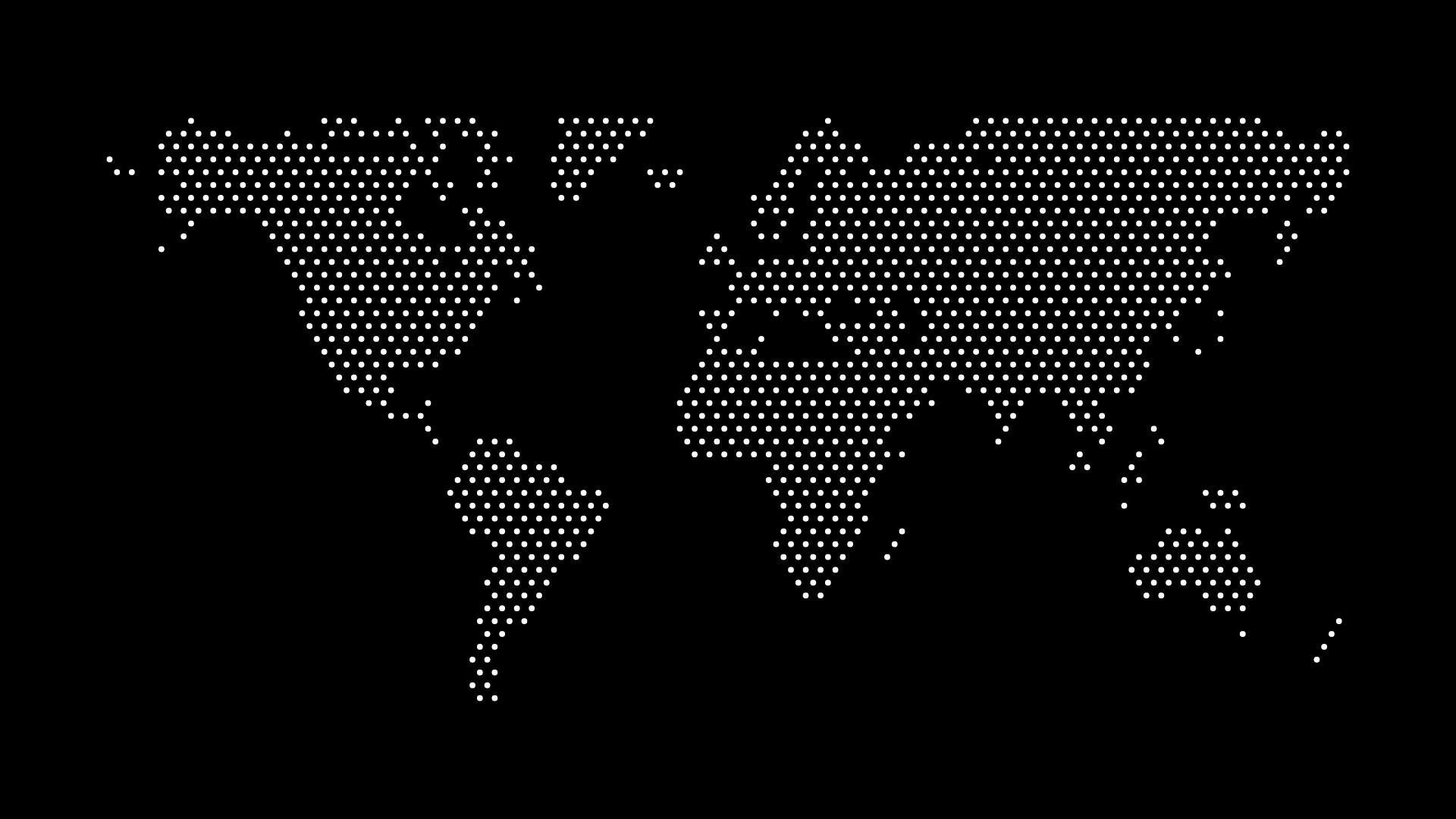
Dot density maps and dotted style maps are often confused, but they serve different purposes and use different techniques. Understanding these differences helps you choose the right map type for your project.
In this guide, we'll clarify the key differences between these two map types.
What Are Dot Density Maps?
Dot density maps are data visualization maps where:
- Dots represent quantities — Each dot equals a specific value
- Density shows distribution — More dots = higher values
- Data-driven — Dots placed based on data
- Quantitative — Precise value representation
Example: One dot = 10,000 people, with dots distributed based on population density.
What Are Dotted Style Maps?
Dotted style maps are design-focused maps where:
- Dots create patterns — Dots form geographic shapes
- Stylistic choice — Design aesthetic, not data
- Visual pattern — Dots trace boundaries
- Decorative — Visual style over data
Example: Dots arranged in patterns that form country outlines for aesthetic purposes.
Key Differences
Purpose
Dot Density Maps:
- Data visualization — Show quantitative data
- Statistical purpose — Communicate numbers
- Analysis tool — Reveal patterns
- Information-focused — Data is primary
Dotted Style Maps:
- Design element — Visual styling
- Aesthetic purpose — Look and feel
- Branding tool — Visual identity
- Design-focused — Style is primary
Dot Placement
Dot Density Maps:
- Data-driven placement — Based on statistics
- Variable density — More dots where values higher
- Precise positioning — Reflects actual distribution
- Calculated — Mathematical placement
Dotted Style Maps:
- Pattern-based placement — Aesthetic arrangement
- Uniform or styled — Design choice
- Visual pattern — Forms shapes
- Artistic — Design-driven placement
Data Representation
Dot Density Maps:
- Quantitative — Precise values
- Comparable — Can compare regions
- Statistical — Data analysis
- Measurable — Specific quantities
Dotted Style Maps:
- Qualitative — Visual style
- Not comparable — Aesthetic only
- Design — Visual appeal
- Stylistic — No data meaning
When to Use Each
Use Dot Density Maps When:
- Showing population density
- Visualizing quantitative data
- Comparing regional statistics
- Data analysis needed
- Statistical communication required
Use Dotted Style Maps When:
- Design and branding
- Visual aesthetics priority
- Background elements
- Decorative purposes
- Style over data
Visual Comparison
Dot Density Map Characteristics
- Variable dot density
- Data-driven distribution
- Statistical appearance
- Quantitative focus
- Analysis-oriented
Dotted Style Map Characteristics
- Uniform or styled patterns
- Design-driven arrangement
- Aesthetic appearance
- Visual focus
- Design-oriented
Common Confusions
Terminology
Confusion: Both use "dots"
Clarification:
- Dot density = data visualization technique
- Dotted style = design aesthetic
Appearance
Confusion: Both can look similar
Clarification:
- Dot density varies by data
- Dotted style is consistent pattern
Use Cases
Confusion: When to use which
Clarification:
- Dot density for data
- Dotted style for design
Tools and Resources
- World in Dots — Generate dotted style maps
- GIS software — Create dot density maps
- Data visualization tools — Statistical mapping
- Design software — Stylistic maps
Final Thoughts
Understanding the difference between dot density and dotted style maps helps you choose the right tool for your project. Dot density maps visualize data, while dotted style maps provide design aesthetics.
The key is matching map type to purpose — data visualization needs dot density maps, while design projects benefit from dotted style maps. Choose based on your primary goal.
Ready to choose the right map type? Understand your needs and select the appropriate map style today.