Dotted Maps in Annual Reports: Examples That Stand Out
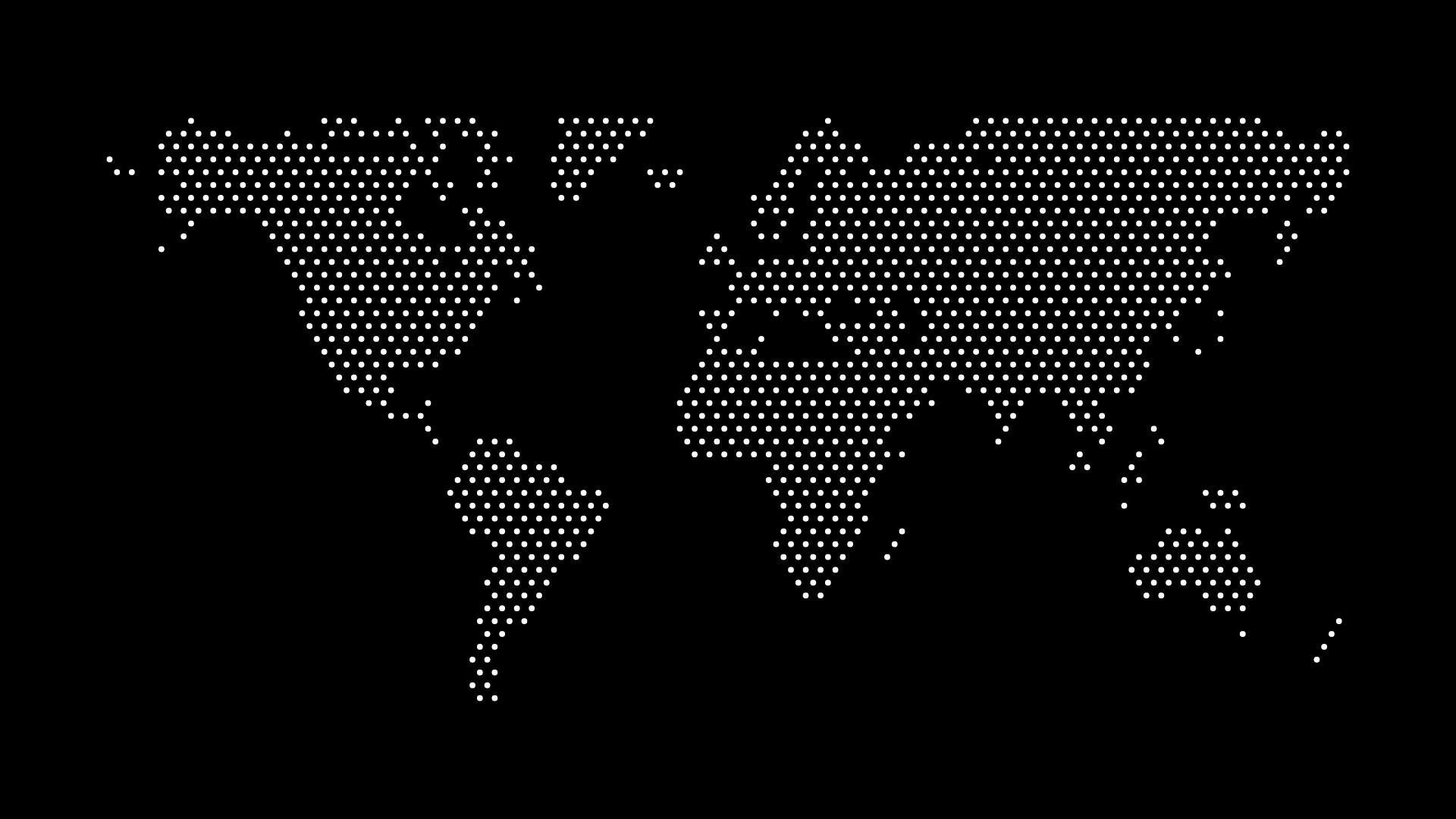
Annual reports are a critical communication tool for companies, and dotted maps have become a powerful way to visualize global presence, market coverage, and regional performance. When done well, these maps transform dry data into compelling visual narratives.
In this article, we'll explore how leading companies use dotted maps in their annual reports and what makes these visualizations effective.
Why Dotted Maps Work in Annual Reports
Dotted maps serve specific purposes in corporate reporting:
- Global Presence — Show international reach and operations
- Market Coverage — Visualize where the company does business
- Regional Performance — Highlight geographic data and statistics
- Brand Consistency — Maintain professional, modern aesthetic
- Data Support — Complement financial and operational data
Effective Map Applications
Global Presence Visualization
Many companies use dotted maps to show their worldwide footprint:
- Office locations — Dots marking headquarters and branches
- Service areas — Regions where services are available
- Market presence — Countries or regions of operation
- Expansion timeline — Maps showing growth over time
Design Tip: Use consistent dot sizes and colors. Larger dots can indicate major markets or headquarters.
Regional Performance Data
Maps can visualize geographic performance:
- Revenue by region — Color-coded dots or regions
- Growth markets — Highlighted areas showing expansion
- Customer distribution — Dots representing customer concentration
- Market share — Visual comparison across regions
Design Tip: Include a legend explaining what dots or colors represent. Ensure color choices are accessible.
Strategic Initiatives
Maps illustrate strategic focus:
- Investment regions — Areas receiving capital investment
- Partnership locations — Strategic alliance geography
- R&D centers — Research and development facilities
- Sustainability projects — Environmental initiative locations
Design Tip: Use different dot styles or colors to distinguish between initiative types.
Design Best Practices
Consistency
Maintain visual consistency throughout the report:
- Same map style — Use consistent dot patterns
- Color palette — Stick to brand colors
- Typography — Match report's font choices
- Layout — Consistent positioning and sizing
Clarity
Ensure maps communicate clearly:
- Legible labels — Country or region names readable
- Appropriate detail — Enough information without clutter
- Clear legends — Explain symbols and colors
- High contrast — Ensure readability in print and digital
Professionalism
Maintain corporate standards:
- Brand alignment — Maps match company aesthetic
- Data accuracy — Ensure geographic information is correct
- Print quality — High resolution for professional printing
- Accessibility — Consider colorblind-friendly palettes
Common Map Types in Annual Reports
World Maps
Full world maps show global operations:
- Complete coverage — All regions at once
- Scale comparison — Relative sizes visible
- Strategic overview — High-level geographic strategy
- Brand positioning — "Global company" messaging
Regional Maps
Focused regional maps provide detail:
- Continent focus — Deep dive into specific regions
- Market detail — Country-level information
- Local context — Regional market insights
- Strategic regions — Highlight key markets
Country Maps
Single-country maps show local presence:
- City locations — Office or facility locations
- State/province data — Sub-national performance
- Local partnerships — Regional collaboration
- Community impact — Local initiatives and engagement
Integration with Report Content
Cover Design
Maps on report covers:
- Brand statement — "Global reach" visual
- Theme setting — Establishes report tone
- Visual impact — Eye-catching first impression
- Year-over-year — Consistent cover element
Executive Summary
Maps in opening sections:
- Key metrics — Support executive messaging
- Strategic overview — Visualize company position
- Growth story — Show expansion visually
- Market context — Geographic business environment
Financial Sections
Maps supporting financial data:
- Revenue by region — Geographic breakdown
- Investment allocation — Capital deployment visualization
- Currency exposure — Multi-currency operations
- Tax jurisdictions — Global tax structure
Operational Sections
Maps showing operations:
- Facility locations — Manufacturing, offices, data centers
- Supply chain — Sourcing and distribution
- Employee distribution — Workforce geography
- Technology infrastructure — Digital presence
Real-World Examples
Technology Companies
Tech companies often use maps to show:
- User base — Global customer distribution
- Data centers — Infrastructure locations
- Office network — Worldwide presence
- Market expansion — Growth into new regions
Financial Services
Banks and financial institutions visualize:
- Branch networks — Physical locations
- Market coverage — Service areas
- Regulatory presence — Licensed jurisdictions
- Client distribution — Customer geography
Consumer Goods
Brands show:
- Distribution — Product availability
- Manufacturing — Production facilities
- Retail presence — Store locations
- Market penetration — Brand reach
Professional Services
Consulting and service firms highlight:
- Office locations — Global network
- Client base — Customer geography
- Project locations — Engagement sites
- Expertise regions — Specialized market knowledge
Technical Considerations
Print vs. Digital
Consider format requirements:
- Print resolution — High DPI for quality printing
- Color modes — CMYK for print, RGB for digital
- File formats — PDF for print, SVG/PNG for digital
- Bleed and margins — Account for printing requirements
Accessibility
Ensure inclusive design:
- Color contrast — Sufficient for readability
- Colorblind friendly — Don't rely solely on color
- Text alternatives — Alt text for digital versions
- Legible fonts — Readable at report size
Data Accuracy
Maintain credibility:
- Current boundaries — Use up-to-date geographic data
- Accurate positioning — Correct coordinates
- Verified information — Fact-check all data
- Consistent projections — Use same map projection throughout
Creating Maps for Annual Reports
Step 1: Define Purpose
Determine what the map should communicate:
- Key message — What story does it tell?
- Target audience — Investors, stakeholders, employees?
- Data source — What information supports it?
- Integration — How does it fit with other content?
Step 2: Choose Style
Select appropriate map style:
- Dotted maps — Modern, clean aesthetic
- Outline maps — Simple, professional
- Filled maps — Color-coded regions
- Hybrid — Combination of styles
Step 3: Design and Customize
Create the map:
- Generate base map — Use World in Dots or similar tool
- Add data — Overlay performance or location data
- Apply branding — Match company colors and style
- Refine details — Ensure clarity and accuracy
Step 4: Integrate into Report
Place map effectively:
- Strategic placement — Where it supports narrative
- Sizing — Appropriate scale for content
- Captions — Clear explanations
- Cross-references — Link to related sections
Tools and Resources
- World in Dots — Generate professional dotted maps
- Adobe Illustrator — Advanced customization
- Data visualization tools — Overlay data on maps
- Design templates — Annual report map layouts
Final Thoughts
Dotted maps in annual reports transform geographic data into compelling visual narratives. When designed thoughtfully, they support key messages, enhance readability, and maintain professional standards.
The best map visualizations in annual reports are those that clearly communicate geographic information while maintaining brand consistency and design excellence. They don't just show where a company operates — they tell a story about global presence, strategic focus, and market position.
Ready to enhance your annual report? Generate professional dotted maps that tell your geographic story effectively.