Dotted Maps vs Choropleth Maps: Which Should You Use
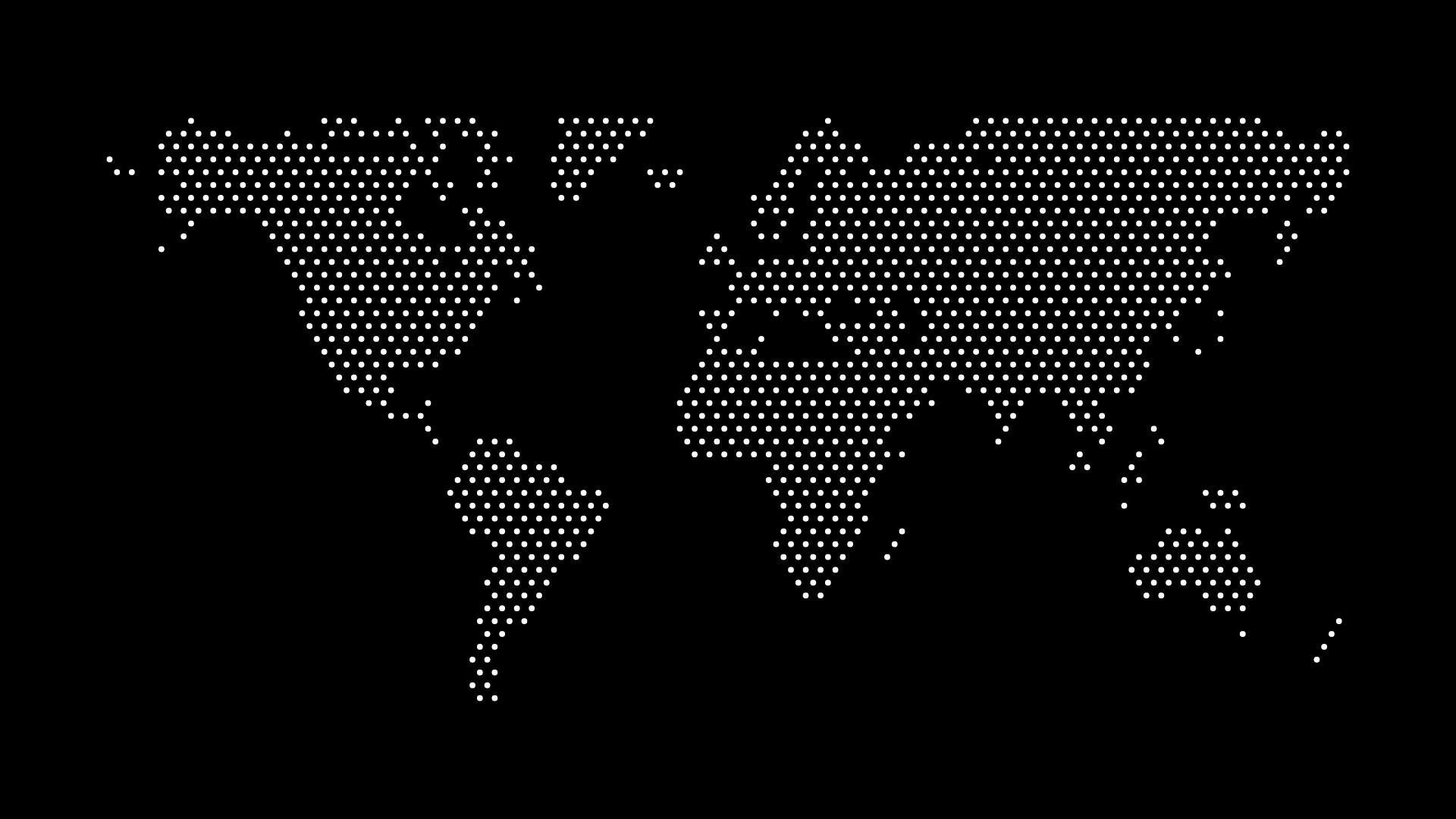
Choosing between dotted maps and choropleth maps (filled maps) depends on your data, audience, and goals. Each map type has strengths and weaknesses. Understanding these differences helps you select the right visualization for your project.
In this guide, we'll compare dotted maps and choropleth maps to help you make informed decisions.
What Are Choropleth Maps?
Choropleth maps use color-filled regions to represent data values. Each geographic area (country, state, county) is colored according to its data value, typically using a color gradient or scale.
Characteristics:
- Color-coded regions
- Data values mapped to colors
- Clear regional boundaries
- Color intensity indicates magnitude
What Are Dotted Maps?
Dotted maps use patterns of dots to represent geographic features. Dots can represent locations, quantities, or simply create visual patterns that trace geographic boundaries.
Characteristics:
- Dot patterns
- Minimalist aesthetic
- Flexible styling
- Clean, modern appearance
Key Differences
Visual Appearance
Choropleth Maps:
- Solid colors fill entire regions
- Color gradients show data variation
- Clear boundaries between regions
- Heavy visual weight — colors dominate
Dotted Maps:
- Dot patterns create shapes
- Minimalist design — less visual weight
- Subtle boundaries — implied by dot patterns
- Light visual weight — doesn't dominate layout
Data Representation
Choropleth Maps:
- Direct data mapping — colors represent values
- Regional comparison — easy to compare areas
- Quantitative data — numbers mapped to colors
- Continuous scales — smooth color transitions
Dotted Maps:
- Pattern representation — dots create shapes
- Location marking — dots can mark specific points
- Qualitative emphasis — style over data
- Flexible interpretation — various meanings possible
Readability
Choropleth Maps:
- Text overlay can be challenging — colors compete
- Label placement requires careful consideration
- Legend essential — explains color meanings
- Color-dependent — relies heavily on color
Dotted Maps:
- Text-friendly — dots don't compete with text
- Easy labeling — text fits between dots
- Less legend-dependent — patterns are intuitive
- Color-flexible — works in monochrome
When to Use Choropleth Maps
Best For:
Data Visualization:
- Comparing quantitative data across regions
- Showing statistical variations
- Visualizing survey results
- Displaying economic or demographic data
Examples:
- Election results by state
- Population density by country
- Income levels by region
- Sales performance by territory
Requirements:
- Quantitative data by geographic region
- Need to show data variation clearly
- Color is primary communication method
- Regional comparison is main goal
When to Use Dotted Maps
Best For:
Design and Branding:
- Modern, minimalist aesthetic
- Brand identity applications
- Background elements
- Decorative purposes
Content Support:
- Supporting text and data
- Infographic backgrounds
- Presentation slides
- Website headers
Examples:
- Brand logos and identity
- Infographic backgrounds
- Presentation visuals
- Social media graphics
Requirements:
- Design-focused applications
- Need for text overlay
- Minimalist aesthetic desired
- Flexibility in styling
Advantages Comparison
Choropleth Maps Advantages
- Clear data communication — values obvious
- Regional comparison — easy to compare areas
- Standardized — widely understood format
- Data-focused — emphasizes information
- Quantitative — precise value representation
Dotted Maps Advantages
- Design flexibility — adaptable styling
- Text-friendly — supports content overlay
- Modern aesthetic — contemporary appearance
- Lightweight — less visual weight
- Versatile — multiple applications
Disadvantages Comparison
Choropleth Maps Disadvantages
- Color dependency — relies heavily on color
- Text overlay challenges — colors compete
- Accessibility concerns — colorblind issues
- Heavy visual weight — can dominate design
- Limited styling — constrained by data needs
Dotted Maps Disadvantages
- Less data-specific — not ideal for quantitative data
- Pattern interpretation — can be ambiguous
- Less standardized — not universally understood
- Design-focused — may prioritize style over data
- Quantitative limitations — harder to show precise values
Hybrid Approaches
Combining Both
You can combine map types:
- Choropleth base — colored regions
- Dot overlays — additional location markers
- Layered information — multiple data types
- Progressive disclosure — reveal details on interaction
Example: A choropleth map showing sales by region with dots marking specific store locations.
Technical Considerations
File Size
Choropleth Maps:
- Can be larger — complex paths and gradients
- Vector complexity — many filled regions
- Compression — gradients compress less efficiently
Dotted Maps:
- Often smaller — simple dot patterns
- Vector efficiency — dots are simple shapes
- Better compression — patterns compress well
Scalability
Choropleth Maps:
- Scale well — vector format maintains quality
- Color accuracy — important at all sizes
- Detail preservation — boundaries remain clear
Dotted Maps:
- Excellent scaling — dots scale perfectly
- Pattern consistency — maintains appearance
- Any size — from icons to billboards
Customization
Choropleth Maps:
- Color constraints — limited by data needs
- Style limitations — data requirements restrict design
- Brand matching — harder to match brand colors
Dotted Maps:
- High flexibility — easy to customize
- Brand alignment — simple to match colors
- Style freedom — adaptable to any aesthetic
Accessibility Considerations
Colorblind Accessibility
Choropleth Maps:
- Challenging — relies heavily on color
- Solutions — use patterns or textures
- Testing — essential for accessibility
- Alternatives — provide non-color versions
Dotted Maps:
- Better — patterns work without color
- Monochrome — effective in black and white
- Flexible — easier to ensure accessibility
Screen Readers
Both map types:
- Require alt text descriptions
- Need semantic markup
- Benefit from data tables
- Should include legends
Decision Framework
Choose Choropleth Maps When:
- ✅ Showing quantitative data by region
- ✅ Comparing statistical values
- ✅ Data visualization is primary goal
- ✅ Regional comparison needed
- ✅ Standard data presentation required
Choose Dotted Maps When:
- ✅ Design and aesthetics are priorities
- ✅ Text overlay is needed
- ✅ Minimalist aesthetic desired
- ✅ Brand identity application
- ✅ Supporting content, not primary data
Tools and Resources
- World in Dots — Generate dotted maps
- GIS software — Create choropleth maps
- Data visualization tools — Both map types
- Design software — Customize either style
Final Thoughts
Dotted maps and choropleth maps serve different purposes. Choropleth maps excel at quantitative data visualization and regional comparison. Dotted maps excel at design applications, text support, and minimalist aesthetics.
The choice depends on your goals: data communication favors choropleth maps, while design and content support favor dotted maps. Sometimes, combining both approaches creates the most effective visualization.
Ready to choose the right map type? Consider your data, audience, and goals to select the visualization that best serves your needs.