Dotted Maps vs Outline Maps: Choosing Your Style
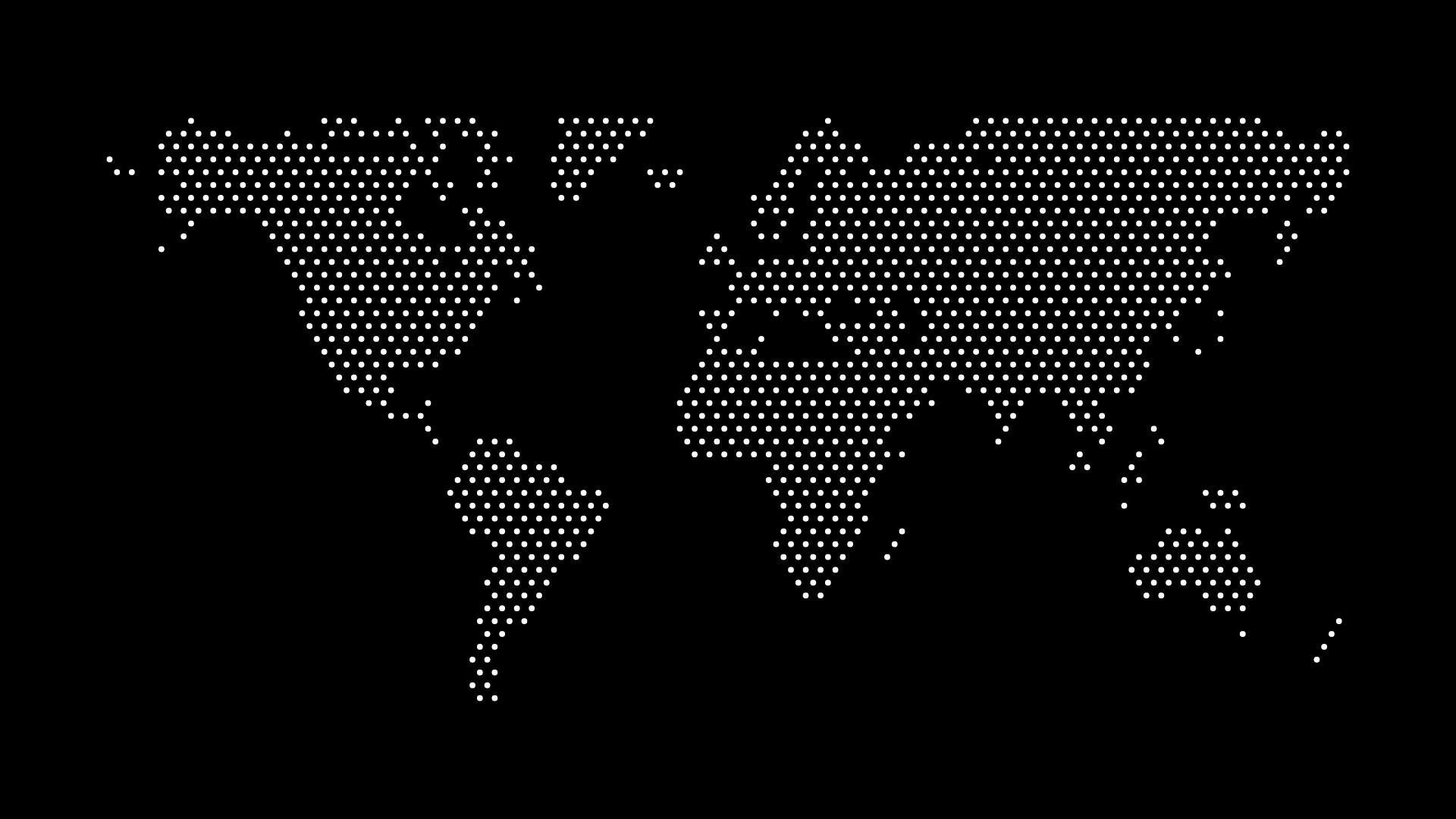
Choosing between dotted maps and outline maps depends on your design goals, use case, and visual preferences. Each style has distinct characteristics that make it suitable for different applications. Understanding these differences helps you select the right map style for your project.
In this guide, we'll compare dotted maps and outline maps to help you make informed design decisions.
What Are Outline Maps?
Outline maps use solid lines to define geographic boundaries. Countries, states, or regions are represented by their border outlines, creating clear, defined shapes.
Characteristics:
- Solid border lines
- Clear boundaries
- Defined shapes
- Traditional appearance
- High contrast
What Are Dotted Maps?
Dotted maps use patterns of dots to represent geographic features. Dots create shapes by forming patterns that trace boundaries and fill regions.
Characteristics:
- Dot patterns
- Implied boundaries
- Modern aesthetic
- Flexible styling
- Subtle appearance
Key Differences
Visual Appearance
Outline Maps:
- Clear boundaries — Solid lines define edges
- High contrast — Strong visual definition
- Traditional look — Classic map appearance
- Bold appearance — Strong visual presence
Dotted Maps:
- Implied boundaries — Dots suggest edges
- Subtle contrast — Softer visual definition
- Modern look — Contemporary aesthetic
- Lightweight appearance — Less visual weight
Design Flexibility
Outline Maps:
- Limited styling — Mainly line thickness and color
- Clear structure — Fixed boundary definition
- Less adaptable — More rigid appearance
- Standard format — Traditional approach
Dotted Maps:
- High flexibility — Dot size, spacing, color
- Adaptable patterns — Various dot configurations
- Versatile styling — Many customization options
- Creative potential — More design freedom
Use Cases
Outline Maps:
- Data visualization — Clear regional boundaries
- Educational materials — Traditional learning tools
- Formal presentations — Professional contexts
- Precise boundaries — When accuracy is critical
Dotted Maps:
- Design applications — Branding and marketing
- Modern presentations — Contemporary contexts
- Decorative purposes — Visual enhancement
- Flexible interpretation — Less rigid boundaries
When to Choose Outline Maps
Best For:
Data Visualization:
- Regional data comparison
- Statistical mapping
- Clear boundary requirements
- Precise geographic representation
Educational Content:
- Teaching geography
- Learning materials
- Traditional contexts
- Clear structure needed
Formal Applications:
- Official documents
- Legal contexts
- Technical documentation
- Professional reports
Requirements:
- Clear boundary definition
- High contrast needed
- Traditional aesthetic desired
- Precise representation required
When to Choose Dotted Maps
Best For:
Design and Branding:
- Modern brand identity
- Marketing materials
- Contemporary aesthetics
- Creative applications
Content Support:
- Background elements
- Decorative purposes
- Text overlay support
- Visual enhancement
Modern Presentations:
- Contemporary contexts
- Creative projects
- Design-focused applications
- Flexible interpretation
Requirements:
- Modern aesthetic desired
- Text overlay needed
- Flexible styling required
- Design flexibility important
Design Considerations
Readability
Outline Maps:
- High readability — Clear boundaries
- Text-friendly — Works with labels
- Clear structure — Obvious organization
- Accessible — Easy to understand
Dotted Maps:
- Variable readability — Depends on dot density
- Text-friendly — Dots don't compete
- Subtle structure — Less obvious organization
- Stylized — More artistic interpretation
Color Usage
Outline Maps:
- Line colors — Border color options
- Fill colors — Region fill options
- High contrast — Strong color definition
- Limited palette — Fewer color options
Dotted Maps:
- Dot colors — Individual dot colors
- Pattern colors — Overall pattern color
- Subtle contrast — Softer color definition
- Flexible palette — More color options
Scalability
Outline Maps:
- Vector scalability — Scales well
- Line clarity — Maintains definition
- Any size — Works at various scales
- Print quality — Good for printing
Dotted Maps:
- Pattern scalability — Scales well
- Dot clarity — Maintains pattern
- Any size — Works at various scales
- Print quality — Good for printing
Hybrid Approaches
Combining Both
You can combine map styles:
- Outline base — Solid boundaries
- Dot fill — Dotted region fills
- Layered approach — Multiple styles
- Selective use — Different styles for different elements
Example: An outline map with dotted fills for regions, combining clarity with modern aesthetic.
Technical Considerations
File Size
Outline Maps:
- Can be smaller — Simple paths
- Vector efficiency — Clean geometry
- Compression — Compresses well
- Performance — Good performance
Dotted Maps:
- Can be larger — Many dots
- Pattern complexity — More elements
- Compression — Patterns compress well
- Performance — Generally good
Rendering
Outline Maps:
- Fast rendering — Simple paths
- Clear rendering — Sharp lines
- Consistent — Uniform appearance
- Reliable — Predictable output
Dotted Maps:
- Variable rendering — Depends on complexity
- Pattern rendering — Dot patterns
- Consistent — Uniform patterns
- Reliable — Predictable patterns
Decision Framework
Choose Outline Maps When:
- ✅ Clear boundaries are essential
- ✅ Traditional aesthetic desired
- ✅ High contrast needed
- ✅ Precise representation required
- ✅ Formal context
Choose Dotted Maps When:
- ✅ Modern aesthetic desired
- ✅ Design flexibility important
- ✅ Text overlay needed
- ✅ Creative applications
- ✅ Contemporary context
Final Thoughts
Choosing between dotted maps and outline maps depends on your specific needs, design goals, and context. Outline maps excel at clear, precise representation with traditional aesthetics. Dotted maps excel at modern design applications with flexible styling and contemporary appeal.
Consider your use case, audience, and design requirements to select the style that best serves your project. Sometimes, combining both approaches creates the most effective visualization.
Ready to choose your map style? Consider your needs and select the visualization approach that best serves your project.