Free SVG Map Tools Compared: Finding the Right Fit
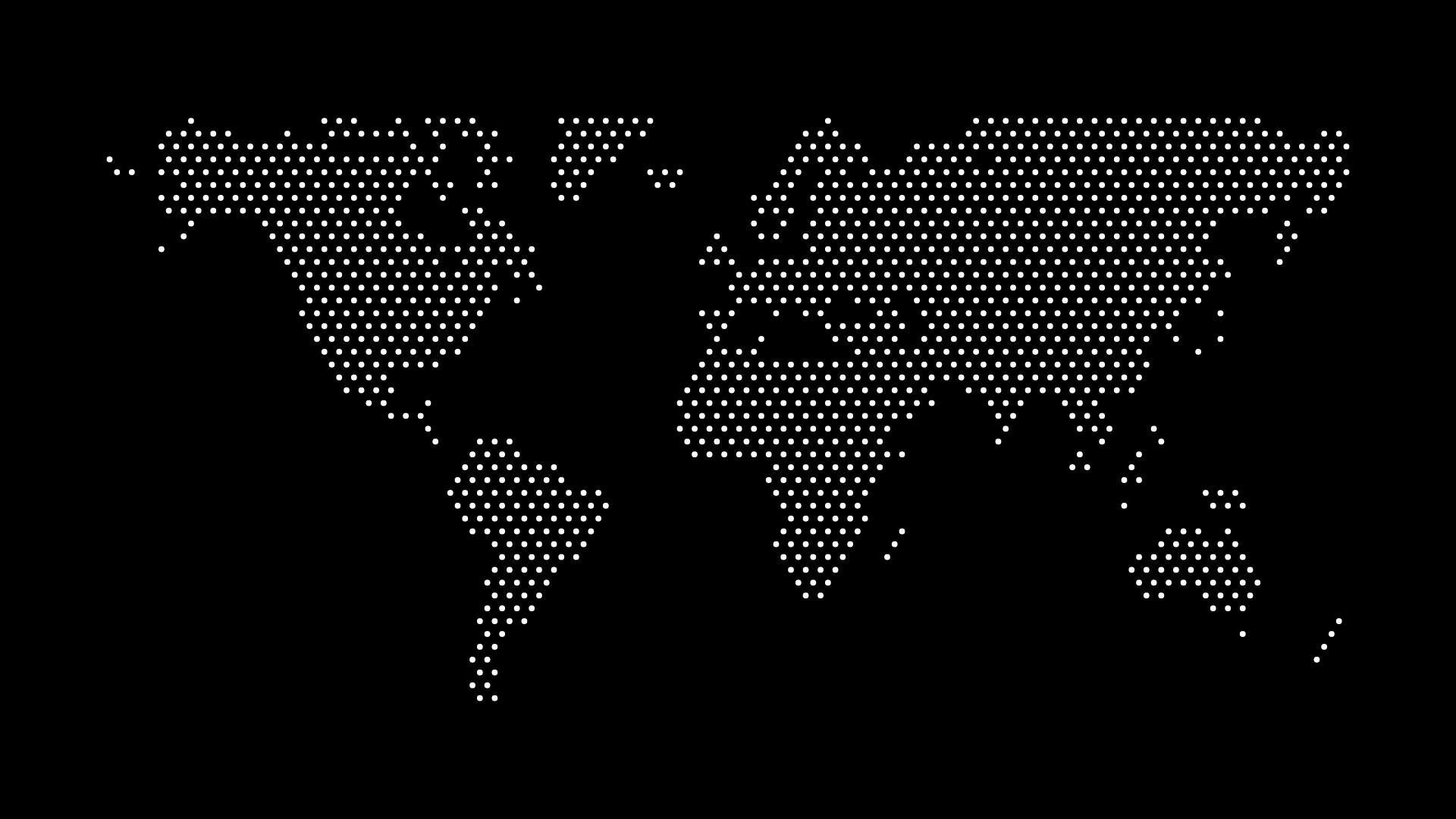
Finding the right free SVG map tool can be challenging with so many options available. Each tool has different features, limitations, and strengths. This comparison helps you find the tool that fits your needs.
Popular Free SVG Map Tools
World in Dots
Best for: Quick, professional dotted maps
Features:
- Customizable dot patterns
- Multiple region options
- Color customization
- SVG and PNG export
- Simple interface
Limitations:
- Focused on dotted style
- Limited to specific regions
Ideal for: Designers, marketers, quick map generation
Mapbox
Best for: Interactive web maps
Features:
- Extensive customization
- Interactive capabilities
- Multiple map styles
- API access
- High-quality rendering
Limitations:
- Learning curve
- Requires account
- API limits on free tier
- More complex setup
Ideal for: Developers, web applications, interactive maps
OpenStreetMap
Best for: Detailed, community-driven maps
Features:
- Comprehensive data
- Community maintained
- Multiple export options
- Detailed features
- Free and open source
Limitations:
- Complex data structure
- Requires processing
- Steeper learning curve
- Manual styling needed
Ideal for: Detailed mapping, data-rich applications, GIS work
D3.js Geo
Best for: Custom, programmatic map creation
Features:
- Full control
- Extensive customization
- Interactive capabilities
- Data integration
- Powerful visualization
Limitations:
- Requires coding knowledge
- Steep learning curve
- Time-consuming
- Technical expertise needed
Ideal for: Developers, data visualization, custom applications
QGIS
Best for: Professional GIS work
Features:
- Professional GIS features
- Extensive data support
- Advanced styling
- Export options
- Plugin ecosystem
Limitations:
- Complex interface
- Steep learning curve
- Overkill for simple maps
- Resource intensive
Ideal for: GIS professionals, complex mapping, data analysis
Comparison Criteria
Ease of Use
Easiest:
- World in Dots — Simple, intuitive
- Mapbox — Good documentation, but requires setup
- OpenStreetMap — Moderate complexity
- D3.js — Requires coding
- QGIS — Professional tool, complex
Customization Options
Most Customizable:
- D3.js — Complete control
- QGIS — Professional features
- Mapbox — Extensive options
- World in Dots — Good for style customization
- OpenStreetMap — Requires processing
Export Quality
Best Quality:
- World in Dots — Clean, optimized SVG
- Mapbox — High-quality rendering
- QGIS — Professional output
- D3.js — Depends on implementation
- OpenStreetMap — Varies by processing
Learning Curve
Easiest to Learn:
- World in Dots — Immediate use
- Mapbox — Moderate learning
- OpenStreetMap — Some learning needed
- D3.js — Significant learning
- QGIS — Professional training helpful
Use Case Recommendations
Quick Design Projects
Recommended: World in Dots
- Fast generation
- Professional results
- No learning curve
- Perfect for design work
Web Development
Recommended: Mapbox or D3.js
- Interactive capabilities
- Web integration
- Customization options
- Developer-friendly
Data Visualization
Recommended: D3.js or QGIS
- Data integration
- Custom visualizations
- Advanced features
- Professional tools
Simple Branding
Recommended: World in Dots
- Quick results
- Style flexibility
- Brand alignment
- Easy customization
Professional GIS
Recommended: QGIS
- Full GIS features
- Data analysis
- Professional tools
- Industry standard
Feature Comparison
Region Coverage
- World in Dots: Specific regions available
- Mapbox: Global coverage
- OpenStreetMap: Comprehensive global data
- D3.js: Depends on data source
- QGIS: Any region with data
Style Options
- World in Dots: Dotted styles, customizable
- Mapbox: Multiple predefined styles
- OpenStreetMap: Requires styling
- D3.js: Complete style control
- QGIS: Extensive styling options
Export Formats
- World in Dots: SVG, PNG
- Mapbox: Web integration, static export
- OpenStreetMap: Multiple formats
- D3.js: SVG, Canvas
- QGIS: Many formats
Cost
- World in Dots: Free with options
- Mapbox: Free tier available
- OpenStreetMap: Completely free
- D3.js: Free and open source
- QGIS: Free and open source
Limitations to Consider
World in Dots
- Focused on dotted style
- Limited to available regions
- May need additional customization
Mapbox
- API limits on free tier
- Requires account setup
- Learning curve for advanced features
OpenStreetMap
- Requires data processing
- Complex data structure
- Manual styling needed
D3.js
- Requires JavaScript knowledge
- Time-consuming development
- Steep learning curve
QGIS
- Complex interface
- Overkill for simple maps
- Resource intensive
Best Practices
Choosing a Tool
- Define your needs — What do you need?
- Consider your skills — What can you use?
- Evaluate time — How much time available?
- Check requirements — What features needed?
- Test options — Try multiple tools
Using Free Tools
- Understand limitations — Know what's free
- Respect terms — Follow usage guidelines
- Optimize output — Clean up exports
- Combine tools — Use multiple if needed
- Stay updated — Check for new features
Tools and Resources
- World in Dots — Quick dotted map generation
- Mapbox — Interactive web maps
- OpenStreetMap — Community mapping data
- D3.js — Custom visualizations
- QGIS — Professional GIS
Final Thoughts
Free SVG map tools offer various capabilities and approaches. The right tool depends on your specific needs, skills, and project requirements. Simple design projects benefit from easy-to-use tools like World in Dots, while complex applications may require more powerful options like D3.js or QGIS.
The key is matching the tool to your needs — don't overcomplicate simple projects, and don't underutilize powerful tools for complex requirements. Often, combining tools provides the best solution.
Ready to find your map tool? Evaluate your needs and try the tools that match your project requirements.