Geographic Illustrations in Editorial Design
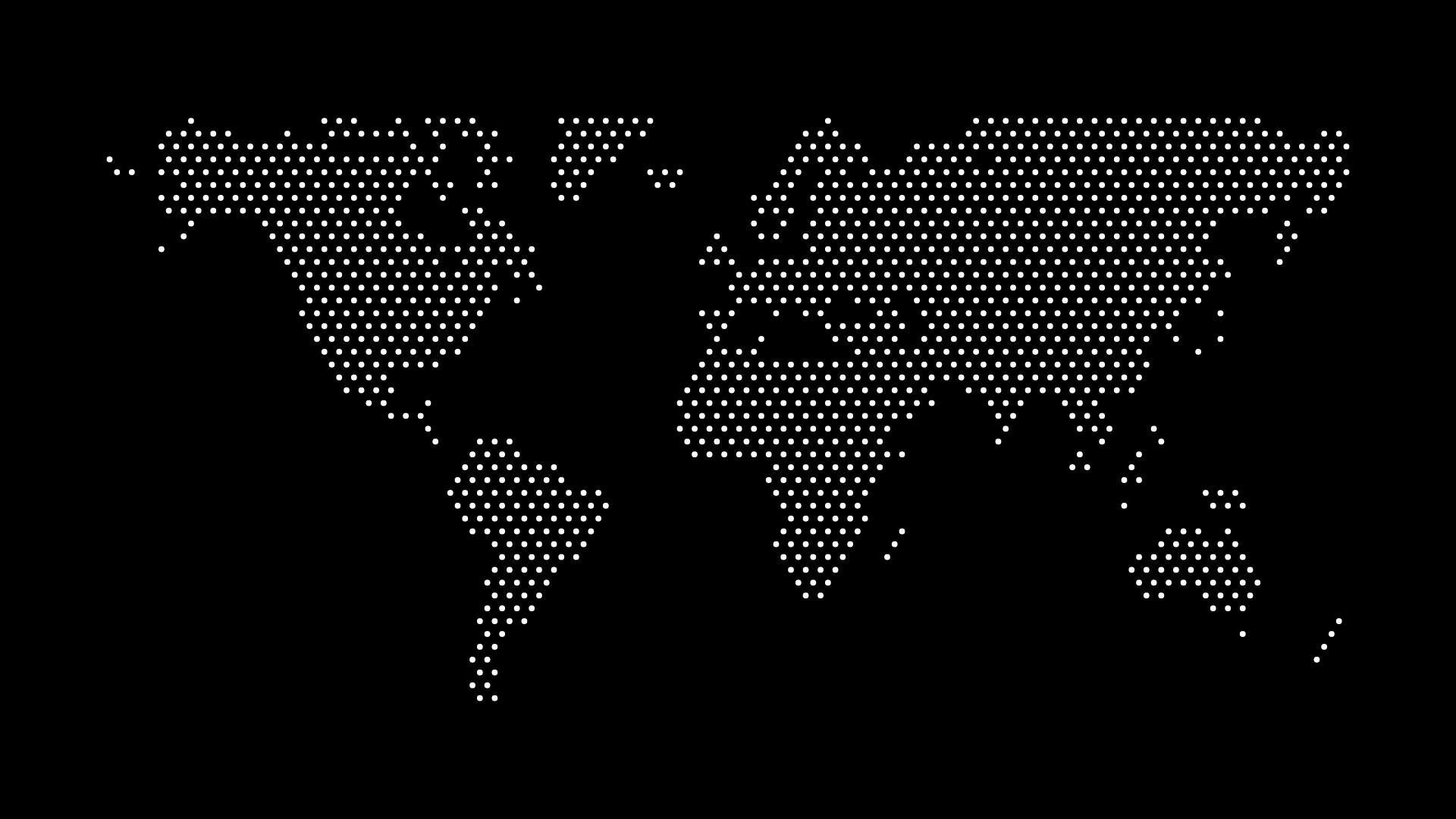
Geographic illustrations — particularly maps — play a crucial role in editorial design. They provide context, support narratives, and add visual interest to articles, features, and layouts. When integrated thoughtfully, maps enhance reader understanding and engagement.
In this guide, we'll explore how to effectively use geographic illustrations in editorial design.
The Role of Maps in Editorial Design
Maps serve specific functions in publications:
- Provide context — Geographic background for stories
- Support narratives — Visual elements that enhance articles
- Break up text — Visual relief in long-form content
- Add credibility — Professional, researched appearance
- Guide readers — Help navigate complex geographic topics
Common Editorial Applications
Feature Articles
Maps in long-form content:
- Opening spreads — Large map as article opener
- Section dividers — Maps between article sections
- Inline illustrations — Maps within article flow
- Closing graphics — Maps as article conclusion
Design Tip: Match map style to article tone. Serious topics need professional maps; lighter topics can be more creative.
News Articles
Maps in journalism:
- Event locations — Where news is happening
- Conflict zones — Geographic context for conflicts
- Election coverage — Voting results by region
- Disaster reporting — Affected areas visualization
Design Tip: Keep maps simple and clear. Readers need quick understanding, not complex detail.
Travel Features
Geographic content for travel:
- Destination maps — Highlighting featured locations
- Route visualization — Travel itineraries
- Regional guides — Area-specific information
- Cultural maps — Beyond political boundaries
Design Tip: Make maps practical. Readers may use them for actual travel planning.
Data Journalism
Maps with statistics:
- Data visualization — Statistics mapped geographically
- Comparison maps — Regional differences
- Trend analysis — Changes over time
- Interactive elements — Explore data online
Design Tip: Ensure data accuracy. Fact-check all geographic and statistical information.
Design Principles
Hierarchy
Establish visual hierarchy:
- Size matters — Larger maps for important content
- Placement — Strategic positioning in layout
- Contrast — Maps stand out from text
- Focus — Emphasize key geographic elements
Integration
Seamlessly integrate maps:
- Layout flow — Maps fit naturally in article flow
- Text wrapping — Text flows around maps
- Spacing — Appropriate white space
- Alignment — Consistent with layout grid
Consistency
Maintain design consistency:
- Style uniformity — Same map style throughout publication
- Color palette — Consistent with publication design
- Typography — Labels match publication fonts
- Quality standards — Professional appearance always
Map Styles for Editorial Design
Minimalist Dotted Maps
Clean and modern:
- Versatile — Works with any content
- Readable — Text overlays easily
- Professional — Sophisticated appearance
- Flexible — Adapts to any layout
Best for: Modern publications, digital magazines, contemporary design
Detailed Illustrative Maps
Rich and informative:
- Comprehensive — Lots of geographic detail
- Educational — Teach geography
- Engaging — Visually interesting
- Traditional — Classic editorial style
Best for: Travel magazines, educational publications, detailed features
Stylized Maps
Creative and artistic:
- Unique — Distinctive visual style
- Memorable — Stands out
- Branded — Matches publication identity
- Expressive — Creative interpretation
Best for: Lifestyle magazines, creative publications, brand-focused content
Layout Considerations
Print Publications
Design for physical pages:
- Page size — Appropriate map dimensions
- Bleed — Account for printing margins
- Resolution — High DPI for quality printing
- Color mode — CMYK for print accuracy
Digital Publications
Optimize for screens:
- Responsive design — Works on all devices
- File size — Optimized for fast loading
- Interactive elements — Clickable, zoomable maps
- Screen resolution — Appropriate for displays
Hybrid Approaches
Both print and digital:
- Consistent style — Same maps work both ways
- Format flexibility — Adaptable to both media
- Quality standards — High quality for both
- Efficient workflow — One map, multiple uses
Technical Considerations
File Formats
Choose appropriate formats:
- Vector (SVG/EPS) — Scalable, editable
- Raster (PNG/JPG) — Detailed, photographic
- PDF — Print-ready, versatile
- Interactive — Web-based, dynamic
Resolution and Quality
Ensure professional quality:
- Print resolution — 300 DPI minimum
- Web optimization — Balanced quality and size
- Color accuracy — Proper color profiles
- Sharpness — Clear, crisp appearance
Integration Workflow
Efficient production:
- Template creation — Reusable map templates
- Style guides — Consistent map styling
- Asset libraries — Reusable map elements
- Collaboration — Team access to resources
Best Practices
Accuracy
Maintain geographic accuracy:
- Current boundaries — Up-to-date political borders
- Correct locations — Accurate coordinates
- Verified data — Fact-checked information
- Appropriate projections — Suitable map projections
Readability
Ensure clear communication:
- Legible labels — Readable text at publication size
- Appropriate detail — Right level of information
- Clear legends — Understandable symbols
- High contrast — Readable in print and digital
Accessibility
Design for all readers:
- Color contrast — Sufficient for readability
- Colorblind friendly — Don't rely solely on color
- Text alternatives — Descriptions for digital
- Clear communication — Understandable for all
Common Editorial Map Types
Location Maps
Show where stories happen:
- Event locations — News event geography
- Feature destinations — Travel article locations
- Profile subjects — Person or organization location
- Historical sites — Past event geography
Data Maps
Visualize statistics:
- Election results — Voting by region
- Survey data — Responses by location
- Economic data — Statistics by geography
- Demographics — Population information
Journey Maps
Show movement:
- Travel routes — Trip itineraries
- Migration patterns — Population movements
- Trade routes — Commercial connections
- Historical journeys — Past travels
Comparison Maps
Show differences:
- Before/after — Changes over time
- Regional comparison — Area differences
- Multiple views — Different perspectives
- Side-by-side — Comparative visualization
Tools and Resources
- World in Dots — Generate editorial maps
- Design software — Adobe InDesign, Illustrator
- Data sources — Reliable geographic data
- Style guides — Publication design standards
Creating Editorial Maps
Step 1: Understand Context
Know the editorial needs:
- Article content — What's the story about?
- Publication style — What's the design aesthetic?
- Target audience — Who are the readers?
- Format — Print, digital, or both?
Step 2: Choose Map Style
Select appropriate visualization:
- Match publication — Style aligns with design
- Support content — Map enhances article
- Consider format — Works in intended medium
- Think readers — What will they understand?
Step 3: Gather Information
Collect necessary data:
- Geographic data — Locations and regions
- Supporting information — Statistics, facts
- Visual references — Inspiration and examples
- Publication assets — Brand colors, fonts
Step 4: Design and Create
Build the map:
- Generate base — Start with clean geography
- Apply styling — Match publication design
- Add content — Labels, data, annotations
- Refine — Polish until perfect
Step 5: Integrate into Layout
Place in publication:
- Strategic placement — Where it supports content
- Proper sizing — Appropriate scale
- Layout integration — Fits design flow
- Quality check — Verify print/digital quality
Final Thoughts
Geographic illustrations enhance editorial design by providing context, supporting narratives, and adding visual interest. When integrated thoughtfully, maps improve reader understanding and engagement.
The key is matching map style to publication needs — whether that's a minimalist dotted map for a modern digital magazine or a detailed illustrative map for a travel feature. Good editorial maps support content without overwhelming it.
Ready to enhance your editorial design? Generate professional maps that complement your publication's style and content.