How Map Aspect Ratios Affect Your Layout
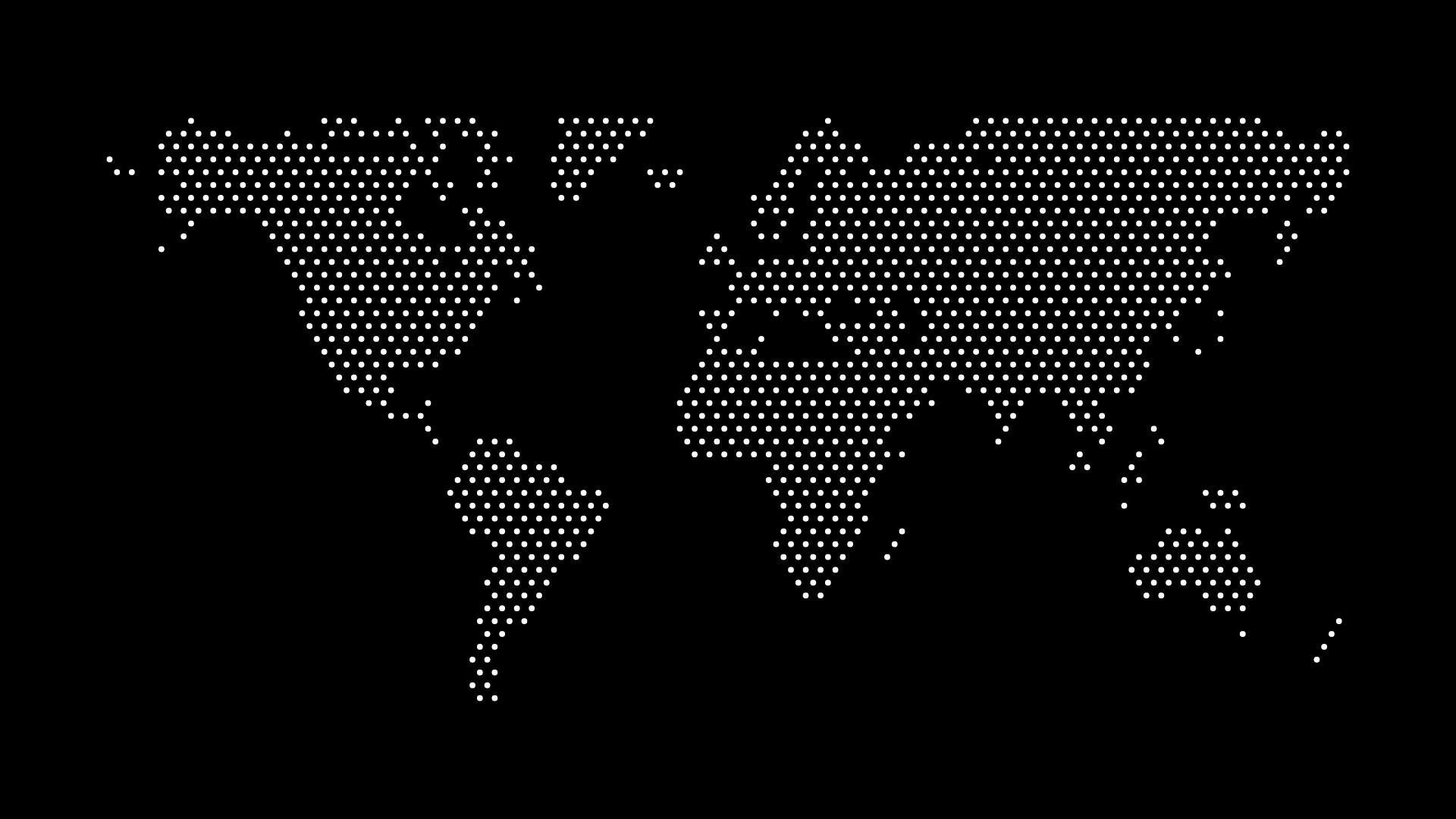
Map aspect ratios significantly impact how maps fit into layouts, display on different devices, and integrate with design compositions. Understanding aspect ratio considerations helps you create maps that work effectively in various contexts and maintain visual balance.
In this guide, we'll explore how map aspect ratios affect your layout and how to choose appropriate proportions.
What Are Aspect Ratios?
Aspect ratio is the proportional relationship between width and height. For maps, this determines the shape and how the map fits into different layouts and display contexts.
Common Ratios:
- 16:9 — Widescreen format
- 4:3 — Traditional format
- 1:1 — Square format
- 21:9 — Ultra-wide format
Layout Impact
Page Integration
Considerations:
- Page dimensions — Match page proportions
- Content balance — Fit with other elements
- White space — Appropriate margins
- Visual harmony — Balanced composition
Challenges:
- Mismatched ratios — Doesn't fit layout
- Wasted space — Inefficient use
- Visual imbalance — Unbalanced design
- Integration issues — Doesn't work with content
Screen Display
Considerations:
- Device screens — Match screen proportions
- Viewport fit — Fits viewing area
- Responsive design — Works on various devices
- Display optimization — Optimal viewing
Challenges:
- Different devices — Various screen ratios
- Viewport issues — Doesn't fit screens
- Responsive challenges — Scaling difficulties
- Display problems — Poor fit
Common Aspect Ratios
16:9 (Widescreen)
Characteristics:
- Wide format
- Common for displays
- Horizontal emphasis
- Modern standard
Best For:
- Website headers
- Presentation slides
- Video content
- Wide displays
Considerations:
- Works well horizontally
- Good for wide layouts
- Common display format
- Modern aesthetic
4:3 (Traditional)
Characteristics:
- Traditional format
- More square
- Balanced proportions
- Classic standard
Best For:
- Print materials
- Traditional layouts
- Balanced compositions
- Classic designs
Considerations:
- Works well in print
- Balanced appearance
- Traditional aesthetic
- Versatile format
1:1 (Square)
Characteristics:
- Equal dimensions
- Square format
- Social media friendly
- Modern format
Best For:
- Social media
- Instagram posts
- Profile images
- Square layouts
Considerations:
- Social media optimized
- Modern format
- Balanced appearance
- Versatile use
Design Considerations
Content Integration
Matching Layout:
- Page proportions — Match page ratio
- Content balance — Fit with content
- Visual harmony — Balanced design
- Efficient use — Good space usage
Adaptation:
- Crop maps — Adjust to fit
- Add elements — Fill space appropriately
- Scale maps — Adjust proportions
- Combine elements — Integrate with content
Geographic Considerations
World Maps:
- Wide format — 16:9 or wider
- Horizontal emphasis — East-west focus
- Standard proportions — Common ratios
- Display optimization — Screen-friendly
Regional Maps:
- Variable ratios — Depends on region
- Regional shape — Match region shape
- Custom proportions — Region-specific
- Optimal fit — Best for region
Responsive Design
Multiple Devices:
- Desktop — Wide formats work
- Tablet — Medium formats
- Mobile — Vertical or square
- Adaptive — Responsive scaling
Solutions:
- Multiple versions — Different ratios
- Responsive scaling — Adapts to screen
- Cropping — Adjust for device
- Flexible layouts — Adapts to space
Best Practices
Planning
- Determine layout — Know your layout first
- Consider content — Fit with other elements
- Plan integration — How map fits design
- Test proportions — Verify before finalizing
Flexibility
- Multiple formats — Create different ratios
- Scalable design — Works at various sizes
- Adaptable — Adjusts to context
- Versatile — Multiple use cases
Testing
- Layout testing — Test in actual layout
- Device testing — Check on various devices
- Display testing — Verify display quality
- User testing — Ensure usability
Common Challenges
Mismatched Ratios
Problem:
- Map doesn't fit layout
- Wasted space
- Visual imbalance
- Poor integration
Solutions:
- Create custom ratio
- Crop to fit
- Add elements
- Adjust layout
Device Compatibility
Problem:
- Doesn't fit all screens
- Responsive issues
- Display problems
- Scaling difficulties
Solutions:
- Multiple versions
- Responsive design
- Flexible scaling
- Adaptive layouts
Final Thoughts
Understanding how map aspect ratios affect your layout helps you create maps that integrate effectively with your design and work well across different contexts. Whether matching page proportions, optimizing for displays, or creating responsive designs, aspect ratio considerations are crucial for effective map integration.
Plan your aspect ratio early, consider your layout and content, and test across different contexts. The result is maps that fit seamlessly into your design and work effectively in various applications.
Ready to optimize your map aspect ratio? Consider your layout needs and choose proportions that work best for your project.