How Startups Use Map Graphics to Show Global Reach
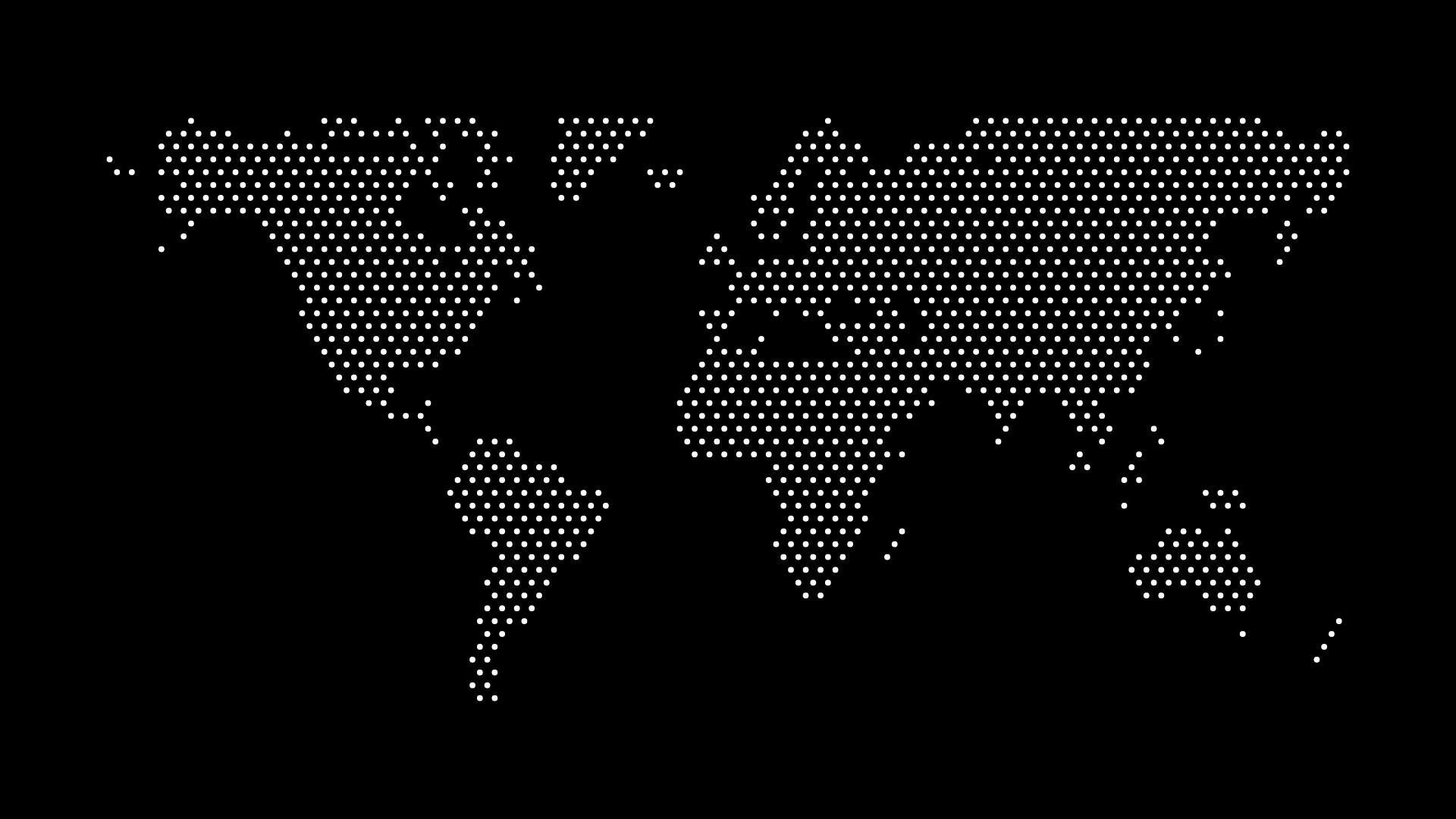
For startups, demonstrating global reach — even if aspirational — is crucial for attracting investors, customers, and talent. Map graphics have become a powerful tool for startups to visualize their ambition, current presence, and future expansion plans.
In this guide, we'll explore how startups use map graphics effectively across different contexts and what makes these visualizations compelling.
Why Maps Matter for Startups
Maps serve multiple strategic purposes for startups:
- Investor Appeal — Show scalability and market opportunity
- Customer Trust — Demonstrate international capability
- Talent Attraction — Signal global ambition
- Brand Positioning — Establish "worldwide" identity
- Marketing Impact — Visual storytelling for growth narrative
Common Use Cases
Pitch Decks
Maps in investor presentations:
- Market opportunity — Size of addressable markets
- Current presence — Where the startup operates
- Expansion plans — Target markets for growth
- Competitive positioning — Geographic differentiation
Design Tip: Use clean, professional maps that match your brand. Avoid clutter — investors need to understand quickly.
Website Hero Sections
Maps as website backgrounds:
- Global messaging — "Available worldwide" statement
- User locations — Show where customers are
- Service areas — Regions where product is available
- Brand identity — Modern, tech-forward aesthetic
Design Tip: Keep maps subtle as backgrounds. Ensure text remains readable with proper contrast.
Marketing Materials
Maps in campaigns:
- Launch announcements — "Now available in X countries"
- Growth milestones — "Expanding to new markets"
- Customer stories — "Users across the globe"
- Partnership announcements — "Global partnerships"
Design Tip: Make maps shareable for social media. Use consistent style across all materials.
About Pages
Maps showing company story:
- Team locations — Remote team geography
- Office locations — Physical presence
- Customer base — User distribution
- Company journey — Growth over time
Design Tip: Tell a story with the map. Use annotations or timeline elements.
Effective Map Strategies
Aspirational vs. Current
Startups often balance reality with ambition:
Current State:
- Show actual user locations
- Highlight existing markets
- Display current office locations
- Use accurate, verifiable data
Aspirational:
- Show target expansion markets
- Visualize growth plans
- Demonstrate market opportunity
- Use "coming soon" messaging
Best Practice: Clearly distinguish between current and planned presence. Transparency builds trust.
Minimalist Approach
Startups benefit from clean design:
- Simple dots — Mark locations without clutter
- Limited colors — Match brand palette
- Clear labels — Readable city/country names
- White space — Let the map breathe
Design Tip: Less is more. A simple map is more professional than a complex one.
Data-Driven Maps
Show metrics with geography:
- User counts — Size dots by user numbers
- Revenue by region — Color-code by performance
- Growth rates — Highlight fast-growing markets
- Market penetration — Show adoption levels
Design Tip: Include legends and data sources. Credibility matters.
Industry-Specific Applications
SaaS Startups
Software companies use maps to show:
- User distribution — Global customer base
- Data center locations — Infrastructure geography
- Compliance regions — GDPR, data residency
- Localization — Supported languages/regions
E-commerce Startups
Online retailers visualize:
- Shipping destinations — Where they deliver
- Warehouse locations — Fulfillment centers
- Market availability — Product availability by region
- International expansion — New market launches
Fintech Startups
Financial technology companies show:
- Service areas — Licensed jurisdictions
- Payment methods — Supported regions
- Regulatory compliance — Licensed markets
- Partnership networks — Banking partnerships
Marketplace Startups
Platforms visualize:
- Buyer/seller locations — Two-sided market geography
- Transaction volume — Activity by region
- Category coverage — Product/service availability
- Network effects — Density visualization
Design Best Practices
Brand Consistency
Match maps to brand identity:
- Color palette — Use brand colors
- Typography — Match website fonts
- Style — Consistent with overall design
- Tone — Professional or playful based on brand
Performance Optimization
Ensure fast loading:
- SVG format — Scalable and lightweight
- Optimized files — Compress for web
- Lazy loading — Load maps when needed
- Mobile friendly — Responsive design
Accessibility
Make maps inclusive:
- Color contrast — Readable for all users
- Alt text — Describe map content
- Keyboard navigation — Accessible interactions
- Screen reader support — Semantic HTML
Common Mistakes to Avoid
Overstating Presence
Problem: Showing global presence when only operating in one country
Solution: Be honest about current state. Use "coming soon" for future markets.
Cluttered Design
Problem: Too much information on one map
Solution: Simplify. Use multiple maps for different purposes if needed.
Outdated Information
Problem: Maps showing incorrect or outdated data
Solution: Regularly update maps. Verify all geographic information.
Poor Mobile Experience
Problem: Maps that don't work on phones
Solution: Test on mobile devices. Ensure touch interactions work.
Tools and Resources
Map Generation
- World in Dots — Generate custom dotted maps
- Design tools — Canva, Figma, Adobe Illustrator
- Data visualization — Overlay metrics on maps
Design Inspiration
- Startup websites — Study how others use maps
- Pitch deck examples — Learn from successful decks
- Design galleries — Map design inspiration
Creating Your Startup Map
Step 1: Define Your Message
What story are you telling?
- Current presence — Where you operate now
- Growth story — Expansion over time
- Market opportunity — Addressable markets
- Global ambition — Future vision
Step 2: Gather Data
Collect accurate information:
- User locations — From analytics or CRM
- Market data — Research or industry reports
- Office locations — Physical presence
- Service areas — Where you operate
Step 3: Design the Map
Create your visualization:
- Choose style — Dotted, outline, or filled
- Select regions — World, continent, or country focus
- Apply branding — Match your colors and style
- Add data — Overlay metrics if relevant
Step 4: Integrate
Place map strategically:
- Pitch deck — Support key slides
- Website — Hero section or about page
- Marketing — Campaign materials
- Social media — Shareable graphics
Real-World Examples
Early-Stage Startups
- User map — Show initial customer locations
- Team map — Display remote team geography
- Market map — Visualize target markets
Growth-Stage Startups
- Expansion timeline — Show growth over time
- Performance map — Revenue or users by region
- Partnership map — Strategic alliance geography
Scale-Ups
- Global presence — Worldwide operations
- Market leadership — Dominant regions
- Infrastructure map — Data centers and offices
Final Thoughts
Map graphics are a powerful tool for startups to communicate global ambition and current presence. When used thoughtfully, they enhance pitch decks, websites, and marketing materials while building credibility and trust.
The key is honesty — show where you are while visualizing where you're going. A well-designed map tells a story about your startup's journey and potential.
Ready to show your startup's global reach? Generate professional dotted maps that tell your growth story effectively.