How to Animate Map Pins Appearing One by One
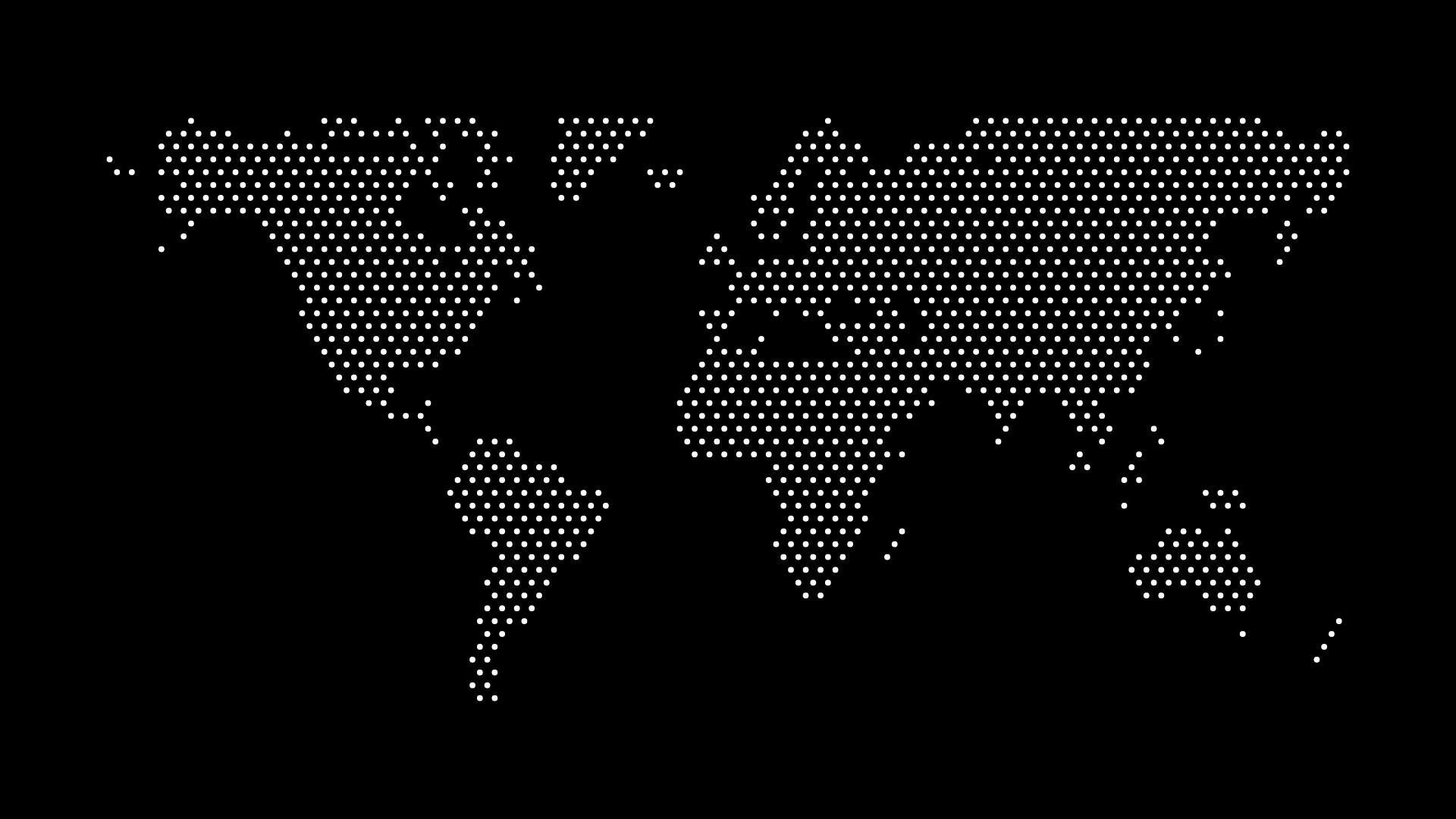
Animating map pins to appear one by one creates engaging, professional visual effects that draw attention to locations sequentially. Whether you're creating presentations, website animations, or interactive maps, sequential pin animations add polish and visual interest.
In this guide, we'll explore how to animate map pins appearing one by one using CSS and JavaScript.
Why Animate Pins Sequentially?
Sequential pin animations offer several benefits:
- Visual interest — Draws attention to each location
- Professional polish — Adds sophistication
- Storytelling — Can tell a story through sequence
- User engagement — Keeps viewers engaged
- Presentation impact — Impressive for presentations
CSS Animation Approach
Basic Sequential Animation
.map-pin {
  opacity: 0;
  transform: scale(0);
  animation: pinAppear 0.5s ease-out forwards;
}

.map-pin:nth-child(1) { animation-delay: 0s; }
.map-pin:nth-child(2) { animation-delay: 0.2s; }
.map-pin:nth-child(3) { animation-delay: 0.4s; }
.map-pin:nth-child(4) { animation-delay: 0.6s; }
/* Continue for all pins... */

@keyframes pinAppear {
  from {
    opacity: 0;
    transform: scale(0);
  }
  to {
    opacity: 1;
    transform: scale(1);
  }
}
JavaScript Approach (Better for Many Pins)
const pins = document.querySelectorAll('.map-pin');
pins.forEach((pin, index) => {
  pin.style.animationDelay = `${index * 0.15}s`;
});
.map-pin {
  opacity: 0;
  transform: scale(0);
  animation: pinAppear 0.5s ease-out forwards;
}

@keyframes pinAppear {
  from {
    opacity: 0;
    transform: scale(0);
  }
  to {
    opacity: 1;
    transform: scale(1);
  }
}
Animation Variations
Fade and Scale
@keyframes pinAppear {
  0% {
    opacity: 0;
    transform: scale(0);
  }
  50% {
    transform: scale(1.2);
  }
  100% {
    opacity: 1;
    transform: scale(1);
  }
}
Slide Up Animation
.map-pin {
  opacity: 0;
  transform: translateY(20px);
  animation: slideUpAppear 0.5s ease-out forwards;
}

@keyframes slideUpAppear {
  to {
    opacity: 1;
    transform: translateY(0);
  }
}
Bounce Effect
@keyframes bounceAppear {
  0% {
    opacity: 0;
    transform: scale(0) translateY(0);
  }
  50% {
    opacity: 1;
    transform: scale(1.1) translateY(-10px);
  }
  100% {
    opacity: 1;
    transform: scale(1) translateY(0);
  }
}
Advanced Techniques
Staggered Timing
function animatePinsStaggered(pins, baseDelay = 0.15) {
  pins.forEach((pin, index) => {
    // Vary delay slightly for more natural feel
    const delay = index * baseDelay + Math.random() * 0.05;
    pin.style.animationDelay = `${delay}s`;
  });
}
Grouped Animation
function animatePinsByGroup(pins, groups) {
  let currentDelay = 0;
  groups.forEach((group, groupIndex) => {
    group.forEach((pinIndex) => {
      pins[pinIndex].style.animationDelay = `${currentDelay}s`;
      currentDelay += 0.2;
    });
    currentDelay += 0.5; // Pause between groups
  });
}
Geographic Order Animation
function animatePinsGeographic(pins, coordinates) {
  // Sort pins by latitude (north to south) or longitude (west to east)
  const sorted = pins.map((pin, index) => ({
    pin,
    coord: coordinates[index]
  })).sort((a, b) => a.coord.lat - b.coord.lat);

  sorted.forEach((item, index) => {
    item.pin.style.animationDelay = `${index * 0.15}s`;
  });
}
SVG Pin Animation
SVG Circle Pins
<svg class="map">
  <circle class="pin" cx="100" cy="200" r="5" />
  <circle class="pin" cx="300" cy="150" r="5" />
  <circle class="pin" cx="500" cy="250" r="5" />
</svg>
.pin {
  fill: #ef4444;
  opacity: 0;
  animation: pinAppear 0.5s ease-out forwards;
}

.pin:nth-of-type(1) { animation-delay: 0s; }
.pin:nth-of-type(2) { animation-delay: 0.2s; }
.pin:nth-of-type(3) { animation-delay: 0.4s; }
SVG Path Pins
<svg class="map">
  <path class="pin" d="M100,200 L105,210 L95,210 Z" />
  <path class="pin" d="M300,150 L305,160 L295,160 Z" />
</svg>
.pin {
  fill: #ef4444;
  opacity: 0;
  transform-origin: center bottom;
  animation: pinAppear 0.5s ease-out forwards;
}
Performance Optimization
Use Transform and Opacity
/* Good - GPU accelerated */
.pin {
  opacity: 0;
  transform: scale(0);
  will-change: transform, opacity;
}

/* Avoid - triggers layout */
.pin {
  opacity: 0;
  width: 0;
  height: 0;
}
Reduce Motion for Accessibility
@media (prefers-reduced-motion: reduce) {
  .pin {
    animation: none;
    opacity: 1;
    transform: scale(1);
  }
}
Interactive Animations
On Scroll Animation
const observer = new IntersectionObserver((entries) => {
  entries.forEach(entry => {
    if (entry.isIntersecting) {
      const pins = entry.target.querySelectorAll('.pin');
      animatePinsSequentially(pins);
      observer.unobserve(entry.target);
    }
  });
});

observer.observe(document.querySelector('.map-container'));
On Click Animation
document.querySelector('.animate-button').addEventListener('click', () => {
  const pins = document.querySelectorAll('.pin');
  pins.forEach(pin => {
    pin.style.animation = 'none';
    void pin.offsetWidth; // Trigger reflow
    pin.style.animation = null;
  });
  animatePinsSequentially(pins);
});
Best Practices
Timing
- Appropriate delays — 0.15-0.3s between pins
- Not too fast — Allow viewers to see each pin
- Not too slow — Keep animation engaging
- Consistent timing — Uniform delays
Performance
- Use transforms — GPU acceleration
- Limit animations — Don't animate too many pins
- Test performance — Check on various devices
- Optimize — Remove will-change after animation
Accessibility
- Respect reduced motion — Provide static fallback
- Don't rely on animation — Content accessible without it
- Consider alternatives — Static version available
- Test accessibility — Ensure usability
Common Patterns
Sequential Appearance
- One by one — Each pin appears after previous
- Uniform delay — Consistent timing
- Smooth transition — Natural feel
- Complete sequence — All pins animate
Grouped Appearance
- Groups first — Pins appear by group
- Then individuals — Within groups
- Pause between groups — Clear separation
- Organized sequence — Logical order
Geographic Order
- North to south — Geographic sequence
- West to east — Longitudinal order
- Distance-based — Closest first
- Regional grouping — By region
Final Thoughts
Animating map pins to appear one by one creates engaging visual effects that enhance map presentations and interactive experiences. Whether using CSS animations or JavaScript control, sequential pin animations add professional polish to your maps.
Start with a clean SVG map, add your pins, and implement sequential animations with appropriate timing. The result is engaging, professional map animations that draw attention and tell stories through sequence.
Ready to animate your map pins? Generate your dotted map and start creating sequential pin animations today.