How to Build a Scrollytelling Map Experience
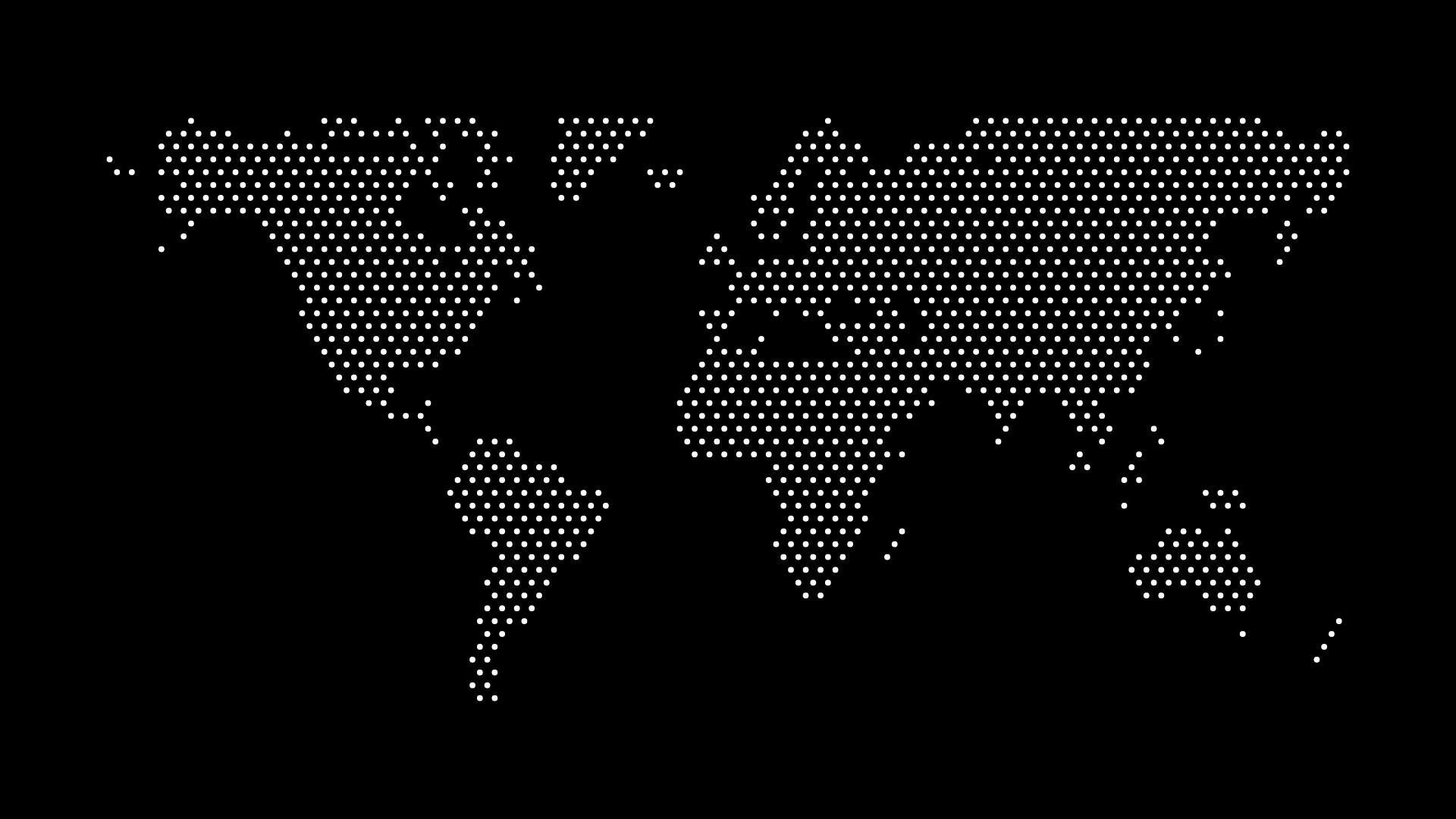
Scrollytelling map experiences combine storytelling with interactive maps, revealing map elements and information as users scroll. This engaging format creates immersive narratives that guide users through geographic stories, making complex information accessible and compelling.
In this guide, we'll explore how to build scrollytelling map experiences using scroll-triggered animations and map interactions.
Why Use Scrollytelling?
Scrollytelling offers several benefits:
- Engaging narrative — Tells stories through scroll
- User control — Users control pace
- Visual impact — Dramatic reveals
- Information delivery — Effective for complex data
- Modern experience — Contemporary web design
Basic Structure
HTML Structure
<div class="scrollytelling-container">
  <div class="map-container">
    <svg class="map" viewBox="0 0 1000 600">
      <!-- Map elements -->
    </svg>
  </div>

  <div class="story-sections">
    <section class="story-step" data-step="1">
      <div class="content">
        <h2>Step 1 Title</h2>
        <p>Story content for step 1</p>
      </div>
    </section>

    <section class="story-step" data-step="2">
      <div class="content">
        <h2>Step 2 Title</h2>
        <p>Story content for step 2</p>
      </div>
    </section>
  </div>
</div>
CSS Layout
.scrollytelling-container {
  position: relative;
  height: 100vh;
}

.map-container {
  position: sticky;
  top: 0;
  height: 100vh;
  width: 100%;
  z-index: 1;
}

.story-sections {
  position: relative;
  z-index: 2;
}

.story-step {
  min-height: 100vh;
  display: flex;
  align-items: center;
  padding: 2rem;
}

.content {
  max-width: 500px;
  background: white;
  padding: 2rem;
  border-radius: 8px;
  box-shadow: 0 4px 6px rgba(0,0,0,0.1);
}
Scroll Detection
Intersection Observer
class ScrollytellingMap {
  constructor() {
    this.steps = document.querySelectorAll('.story-step');
    this.map = document.querySelector('.map');
    this.currentStep = 0;
    this.init();
  }

  init() {
    const observer = new IntersectionObserver(
      (entries) => {
        entries.forEach(entry => {
          if (entry.isIntersecting) {
            const step = parseInt(entry.target.dataset.step);
            this.activateStep(step);
          }
        });
      },
      {
        threshold: 0.5,
        rootMargin: '-20% 0px -20% 0px'
      }
    );

    this.steps.forEach(step => observer.observe(step));
  }

  activateStep(step) {
    if (step === this.currentStep) return;
    this.currentStep = step;
    this.updateMap(step);
  }

  updateMap(step) {
    // Update map based on step
    switch(step) {
      case 1:
        this.showRegion('north-america');
        break;
      case 2:
        this.showRegion('europe');
        break;
      case 3:
        this.showRegion('asia');
        break;
    }
  }

  showRegion(region) {
    // Hide all regions
    this.map.querySelectorAll('.region').forEach(region => {
      region.style.opacity = '0.3';
    });

    // Show target region
    const target = this.map.querySelector(`.${region}`);
    if (target) {
      target.style.opacity = '1';
      target.style.transition = 'opacity 0.5s ease';
    }
  }
}
Progressive Reveal
Reveal Elements on Scroll
function revealMapElements(step) {
  const elements = {
    1: ['.region-1', '.marker-1'],
    2: ['.region-2', '.marker-2', '.route-1'],
    3: ['.region-3', '.marker-3', '.route-2']
  };

  const toReveal = elements[step] || [];

  toReveal.forEach(selector => {
    const element = document.querySelector(selector);
    if (element) {
      element.style.opacity = '0';
      element.style.transform = 'scale(0)';

      setTimeout(() => {
        element.style.transition = 'all 0.5s ease';
        element.style.opacity = '1';
        element.style.transform = 'scale(1)';
      }, 100);
    }
  });
}
Animate Routes
function animateRoute(routeElement, step) {
  if (step === 2) {
    const pathLength = routeElement.getTotalLength();
    routeElement.style.strokeDasharray = pathLength;
    routeElement.style.strokeDashoffset = pathLength;
    routeElement.style.transition = 'stroke-dashoffset 2s ease';
    routeElement.style.strokeDashoffset = '0';
  }
}
Map Transformations
Zoom on Scroll
function updateMapZoom(step, scrollProgress) {
  const zoomLevels = {
    1: 1,
    2: 1.5,
    3: 2,
    4: 1
  };

  const targetZoom = zoomLevels[step] || 1;
  const map = document.querySelector('.map-container');

  map.style.transform = `scale(${targetZoom})`;
  map.style.transition = 'transform 0.5s ease';
}
Pan on Scroll
function updateMapPan(step, scrollProgress) {
  const panPositions = {
    1: { x: 0, y: 0 },
    2: { x: -200, y: -100 },
    3: { x: 200, y: 100 },
    4: { x: 0, y: 0 }
  };

  const target = panPositions[step] || { x: 0, y: 0 };
  const map = document.querySelector('.map-container');

  map.style.transform = `translate(${target.x}px, ${target.y}px)`;
  map.style.transition = 'transform 0.5s ease';
}
Advanced Features
Smooth Transitions
function smoothMapTransition(fromStep, toStep) {
  const map = document.querySelector('.map');
  const duration = 1000;
  const startTime = performance.now();

  function animate(currentTime) {
    const elapsed = currentTime - startTime;
    const progress = Math.min(elapsed / duration, 1);
    const ease = easeInOutCubic(progress);

    // Interpolate between steps
    updateMapState(fromStep, toStep, ease);

    if (progress < 1) {
      requestAnimationFrame(animate);
    }
  }

  requestAnimationFrame(animate);
}

function easeInOutCubic(t) {
  return t < 0.5 ? 4 * t * t * t : 1 - Math.pow(-2 * t + 2, 3) / 2;
}
Data Visualization
function updateDataVisualization(step) {
  const data = {
    1: { value: 100, region: 'North America' },
    2: { value: 250, region: 'Europe' },
    3: { value: 300, region: 'Asia' }
  };

  const stepData = data[step];
  if (stepData) {
    updateChart(stepData.value);
    updateRegionHighlight(stepData.region);
  }
}
Best Practices
Performance
- Use transforms — GPU acceleration
- Debounce scroll — Limit update frequency
- Optimize SVG — Simplify complex paths
- Test performance — Check on various devices
User Experience
- Clear progression — Obvious scroll direction
- Smooth transitions — Natural movement
- Visual feedback — Clear state changes
- Accessible — Keyboard navigation support
Storytelling
- Logical flow — Coherent narrative
- Clear steps — Distinct story sections
- Visual consistency — Consistent style
- Engaging content — Compelling story
Common Patterns
Regional Reveal
- Show regions sequentially — One at a time
- Highlight active region — Clear focus
- Add context — Regional information
- Progress through regions — Logical order
Route Animation
- Draw routes on scroll — Progressive reveal
- Show connections — Connect locations
- Animate movement — Travel along routes
- Complete journey — Full route display
Data Progression
- Reveal data points — Show statistics
- Update charts — Animate data
- Show comparisons — Compare regions
- Build narrative — Tell story with data
Final Thoughts
Building scrollytelling map experiences creates engaging, immersive narratives that guide users through geographic stories. Whether revealing regions, animating routes, or visualizing data, scrollytelling combines storytelling with interactive maps for compelling user experiences.
Start with a clear narrative structure, implement scroll detection, and create smooth map transitions that respond to user scroll. The result is engaging map experiences that tell stories and present information in an accessible, compelling way.
Ready to build your scrollytelling map? Generate your dotted map and start creating scroll-based map experiences today.