How to Create Pulsing Location Markers on Maps
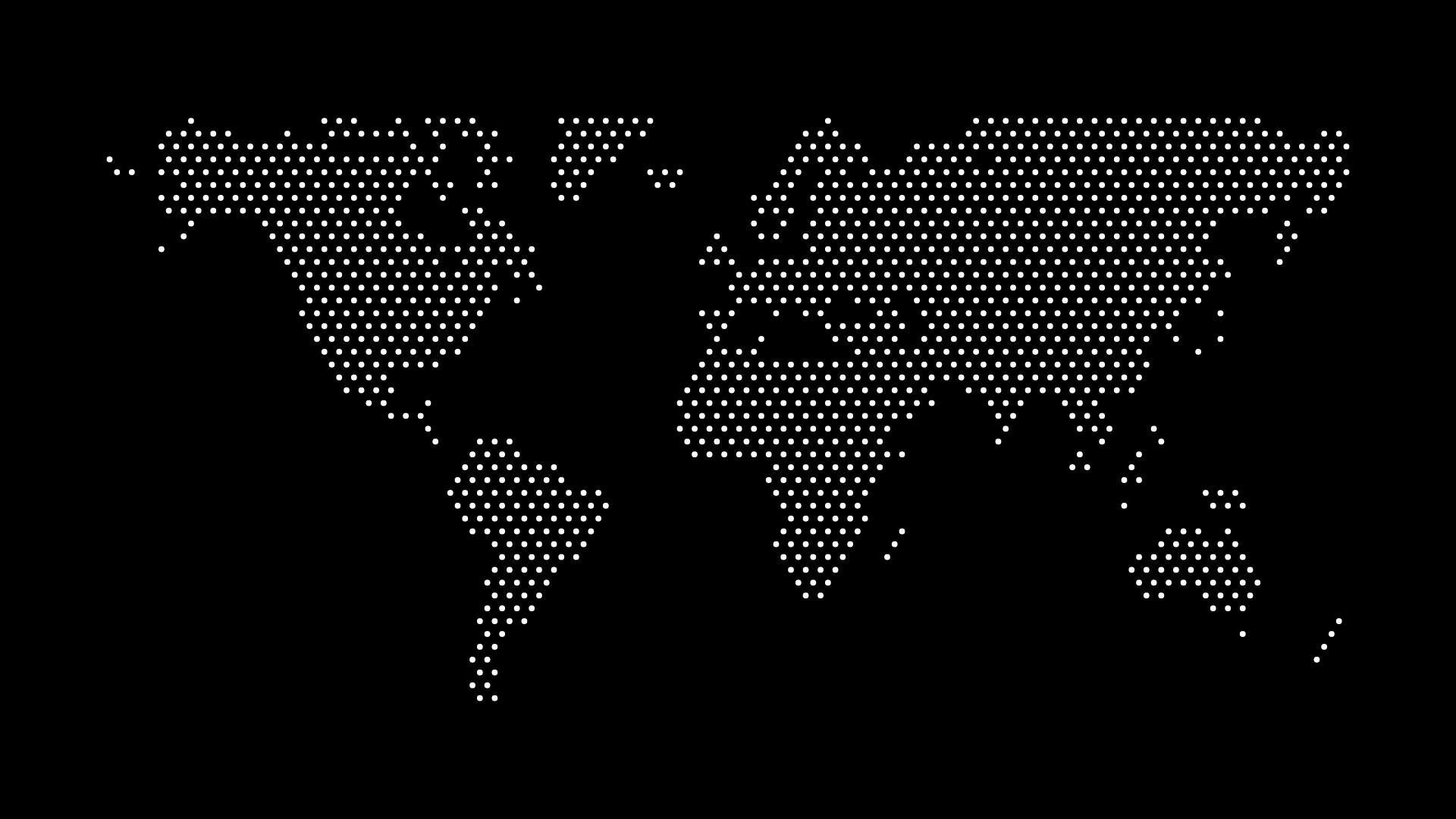
Pulsing location markers create eye-catching animations that draw attention to specific locations on maps. Whether you're highlighting important destinations, showing current locations, or creating engaging interactive maps, pulsing markers add visual interest and guide user attention.
In this guide, we'll explore how to create pulsing location markers using CSS animations and SVG.
Why Use Pulsing Markers?
Pulsing markers offer several benefits:
- Attention-grabbing — Draws eyes to locations
- Visual interest — Adds animation to static maps
- Status indication — Can show activity or importance
- Professional polish — Adds sophistication
- User guidance — Helps users find locations
CSS Animation Approach
Basic Pulse Animation
.location-marker {
  animation: pulse 2s ease-in-out infinite;
}

@keyframes pulse {
  0%, 100% {
    opacity: 1;
    transform: scale(1);
  }
  50% {
    opacity: 0.7;
    transform: scale(1.2);
  }
}
Pulse with Shadow
.location-marker {
  animation: pulseShadow 2s ease-in-out infinite;
  filter: drop-shadow(0 0 10px rgba(239, 68, 68, 0.5));
}

@keyframes pulseShadow {
  0%, 100% {
    opacity: 1;
    transform: scale(1);
    filter: drop-shadow(0 0 10px rgba(239, 68, 68, 0.5));
  }
  50% {
    opacity: 0.8;
    transform: scale(1.3);
    filter: drop-shadow(0 0 20px rgba(239, 68, 68, 0.8));
  }
}
SVG Circle Marker
Simple Circle Pulse
<svg class="map">
  <circle class="marker-pulse" cx="100" cy="200" r="8" fill="#ef4444" />
</svg>
.marker-pulse {
  animation: pulseCircle 2s ease-in-out infinite;
}

@keyframes pulseCircle {
  0%, 100% {
    r: 8;
    opacity: 1;
  }
  50% {
    r: 12;
    opacity: 0.6;
  }
}
Multiple Pulse Rings
<svg class="map">
  <g class="pulsing-marker">
    <circle class="pulse-ring ring-1" cx="100" cy="200" r="8" fill="none" stroke="#ef4444" />
    <circle class="pulse-ring ring-2" cx="100" cy="200" r="8" fill="none" stroke="#ef4444" />
    <circle class="pulse-ring ring-3" cx="100" cy="200" r="8" fill="none" stroke="#ef4444" />
    <circle class="marker-core" cx="100" cy="200" r="6" fill="#ef4444" />
  </g>
</svg>
.pulse-ring {
  stroke-width: 2;
  opacity: 0;
}

.ring-1 {
  animation: pulseRing 2s ease-out infinite;
}

.ring-2 {
  animation: pulseRing 2s ease-out 0.5s infinite;
}

.ring-3 {
  animation: pulseRing 2s ease-out 1s infinite;
}

.marker-core {
  fill: #ef4444;
}

@keyframes pulseRing {
  0% {
    r: 8;
    opacity: 0.8;
  }
  100% {
    r: 30;
    opacity: 0;
  }
}
Pin Marker Pulse
SVG Pin Animation
<svg class="map">
  <g class="pulsing-pin">
    <circle class="pulse-circle" cx="100" cy="180" r="15" fill="#ef4444" opacity="0.3" />
    <path class="pin-shape" d="M100,200 L105,210 L95,210 Z" fill="#ef4444" />
    <circle class="pin-dot" cx="100" cy="200" r="6" fill="#fff" />
  </g>
</svg>
.pulsing-pin {
  transform-origin: 100px 200px;
}

.pulse-circle {
  animation: pulseCircle 2s ease-in-out infinite;
}

.pin-shape {
  animation: pulsePin 2s ease-in-out infinite;
}

.pin-dot {
  animation: pulseDot 2s ease-in-out infinite;
}

@keyframes pulseCircle {
  0%, 100% {
    r: 15;
    opacity: 0.3;
  }
  50% {
    r: 25;
    opacity: 0.1;
  }
}

@keyframes pulsePin {
  0%, 100% {
    transform: scale(1);
  }
  50% {
    transform: scale(1.1);
  }
}

@keyframes pulseDot {
  0%, 100% {
    r: 6;
  }
  50% {
    r: 8;
  }
}
Advanced Techniques
Staggered Pulse
const markers = document.querySelectorAll('.location-marker');
markers.forEach((marker, index) => {
  marker.style.animationDelay = `${index * 0.3}s`;
});
.location-marker {
  animation: pulse 2s ease-in-out infinite;
}
Conditional Pulse
function pulseMarker(marker, condition) {
  if (condition) {
    marker.classList.add('pulsing');
  } else {
    marker.classList.remove('pulsing');
  }
}

// Example: Pulse only active locations
document.querySelectorAll('.location-marker').forEach(marker => {
  const isActive = marker.dataset.active === 'true';
  pulseMarker(marker, isActive);
});
Interactive Pulse
document.querySelectorAll('.location-marker').forEach(marker => {
  marker.addEventListener('mouseenter', () => {
    marker.style.animation = 'pulse 0.5s ease-in-out infinite';
  });

  marker.addEventListener('mouseleave', () => {
    marker.style.animation = 'pulse 2s ease-in-out infinite';
  });
});
Performance Optimization
Use Transform and Opacity
/* Good - GPU accelerated */
.marker {
  transform: scale(1);
  opacity: 1;
  animation: pulse 2s infinite;
}

/* Avoid - triggers layout */
.marker {
  width: 20px;
  height: 20px;
  animation: pulse 2s infinite;
}
Will-Change Property
.marker {
  will-change: transform, opacity;
  animation: pulse 2s infinite;
}

/* Remove after animation if not needed */
.marker.paused {
  will-change: auto;
}
Reduce Motion
@media (prefers-reduced-motion: reduce) {
  .marker {
    animation: none;
  }
}
Best Practices
Timing
- Appropriate speed — 1.5-3 seconds per pulse
- Smooth easing — Use ease-in-out
- Not too fast — Allow viewers to see pulse
- Consistent timing — Uniform across markers
Visual Design
- Appropriate size — Visible but not overwhelming
- Good contrast — Stands out from map
- Color choice — Meaningful colors
- Subtle effect — Not distracting
Performance
- Limit animated markers — Don't animate too many
- Use GPU acceleration — Transform and opacity
- Test performance — Check on various devices
- Optimize — Remove unnecessary animations
Common Patterns
Single Important Marker
- One pulsing marker — Highlight key location
- Clear focus — Obvious importance
- Consistent pulse — Regular rhythm
- Professional appearance — Polished effect
Multiple Active Markers
- Several pulsing markers — Multiple locations
- Staggered timing — Different phases
- Visual interest — Engaging animation
- Clear distinction — Each marker visible
Status-Based Pulse
- Conditional pulse — Based on status
- Active locations — Pulse active markers
- Status indication — Visual status
- Dynamic updates — Change with data
Final Thoughts
Creating pulsing location markers adds engaging visual effects that draw attention to important locations on maps. Whether using simple CSS animations or complex SVG effects, pulsing markers create professional, eye-catching animations.
Start with a clean map design, add pulsing markers with appropriate timing and styling, and ensure good performance. The result is engaging map animations that guide user attention and add visual interest.
Ready to add pulsing markers? Generate your dotted map and start creating pulsing location animations today.