How to Customize SVG Map Colors with CSS
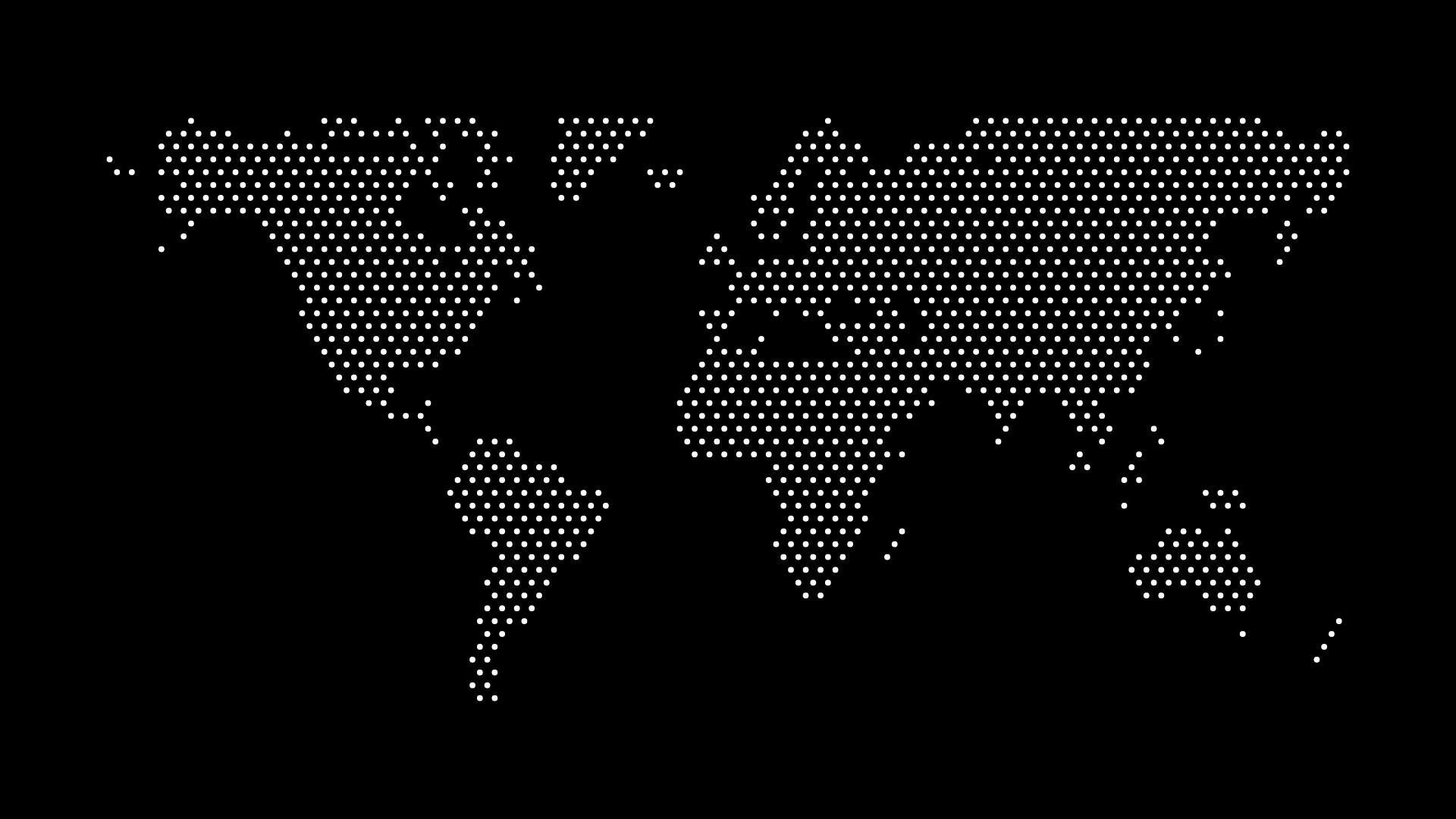
One of the biggest advantages of SVG maps is their flexibility — you can customize every aspect with CSS. Whether you want to match your brand colors, create interactive hover effects, or build dynamic color schemes, CSS gives you complete control over your map's appearance.
In this guide, we'll explore how to customize SVG map colors with CSS, from basic styling to advanced techniques.
Why CSS for SVG Maps?
CSS styling for SVG maps offers:
- Easy Updates — Change colors without editing the SVG file
- Dynamic Styling — Apply themes, dark mode, or user preferences
- Interactivity — Add hover and active states
- Responsive Design — Adapt colors for different screen sizes
- Performance — No need to regenerate SVG files for color changes
Basic CSS Styling
Inline SVG Styling
If your SVG is embedded directly in HTML:
<svg viewBox="0 0 1000 600" xmlns="http://www.w3.org/2000/svg">
  <path class="country" d="..." />
  <circle class="dot" cx="100" cy="200" r="2" />
</svg>

<style>
  .country {
    fill: #333333;
    stroke: #ffffff;
    stroke-width: 1;
  }

  .dot {
    fill: #0077ff;
  }
</style>
External SVG File Styling
For SVG files loaded as <img> or <object>, you'll need to add CSS classes to the SVG itself, or use inline SVG:
/* This won't work with external SVG files */
.map-container svg .country {
  fill: #333333;
}
Solution: Embed SVG inline or use JavaScript to inject styles.
Changing Map Colors
Single Color Scheme
/* All countries/dots in one color */
svg .country {
  fill: #2563eb; /* Blue */
}

svg .dot {
  fill: #10b981; /* Green */
}
Multiple Colors by Class
Add classes to your SVG elements, then style them:
.region-europe {
  fill: #3b82f6;
}

.region-asia {
  fill: #ef4444;
}

.region-americas {
  fill: #10b981;
}
Using CSS Variables
For easy theme switching:
:root {
  --map-primary: #2563eb;
  --map-secondary: #10b981;
  --map-background: #ffffff;
}

svg .country {
  fill: var(--map-primary);
}

svg .dot {
  fill: var(--map-secondary);
}

/* Dark mode */
@media (prefers-color-scheme: dark) {
  :root {
    --map-primary: #60a5fa;
    --map-secondary: #34d399;
    --map-background: #1f2937;
  }
}
Adding Hover Effects
Simple Hover
svg .country {
  fill: #333333;
  transition: fill 0.3s ease;
  cursor: pointer;
}

svg .country:hover {
  fill: #0077ff;
  stroke: #0055cc;
  stroke-width: 2;
}
Interactive Dot Maps
svg .dot {
  fill: #666666;
  transition: all 0.2s ease;
}

svg .dot:hover {
  fill: #ff6b6b;
  r: 3; /* Increase radius on hover */
  opacity: 1;
}
Advanced Techniques
Gradient Fills
svg .country {
  fill: url(#gradient);
}

/* Define gradient in SVG */
<defs>
  <linearGradient id="gradient" x1="0%" y1="0%" x2="100%" y2="100%">
    <stop offset="0%" style="stop-color:#3b82f6;stop-opacity:1" />
    <stop offset="100%" style="stop-color:#8b5cf6;stop-opacity:1" />
  </linearGradient>
</defs>
Conditional Styling with Data Attributes
<path class="country" data-population="high" d="..." />
<path class="country" data-population="low" d="..." />
.country[data-population="high"] {
  fill: #ef4444; /* Red for high population */
}

.country[data-population="low"] {
  fill: #10b981; /* Green for low population */
}
Animation
@keyframes pulse {
  0%, 100% {
    opacity: 1;
  }
  50% {
    opacity: 0.5;
  }
}

svg .dot {
  animation: pulse 2s infinite;
}
Best Practices
Performance
- Use CSS transitions instead of JavaScript for smooth animations
- Minimize the number of color changes on hover
- Use will-change property for elements that will animate
Accessibility
- Ensure sufficient color contrast for readability
- Provide alternative text for color-coded information
- Use patterns or textures in addition to color for differentiation
Browser Compatibility
- Test in multiple browsers (SVG CSS support is generally good)
- Use fallback colors for older browsers
- Consider prefers-reduced-motion for animations
Common Color Schemes
Minimalist
:root {
  --map-color: #1f2937;
  --map-bg: #ffffff;
}
Brand Colors
:root {
  --map-color: #your-brand-primary;
  --map-accent: #your-brand-secondary;
}
Data Visualization
/* Use color scales for data mapping */
.low-value { fill: #dbeafe; }
.medium-value { fill: #60a5fa; }
.high-value { fill: #1e40af; }
Final Thoughts
Customizing SVG map colors with CSS gives you the flexibility to create maps that perfectly match your design system. Whether you're building a simple static map or an interactive data visualization, CSS provides the tools you need.
Start with a clean SVG map from World in Dots, then apply your CSS styling to create something unique. The combination of vector graphics and CSS styling is powerful — and it's all built into modern web standards.
Ready to style your maps? Generate your SVG map and start customizing with CSS today.