How to Design Loading Animations with Map Elements
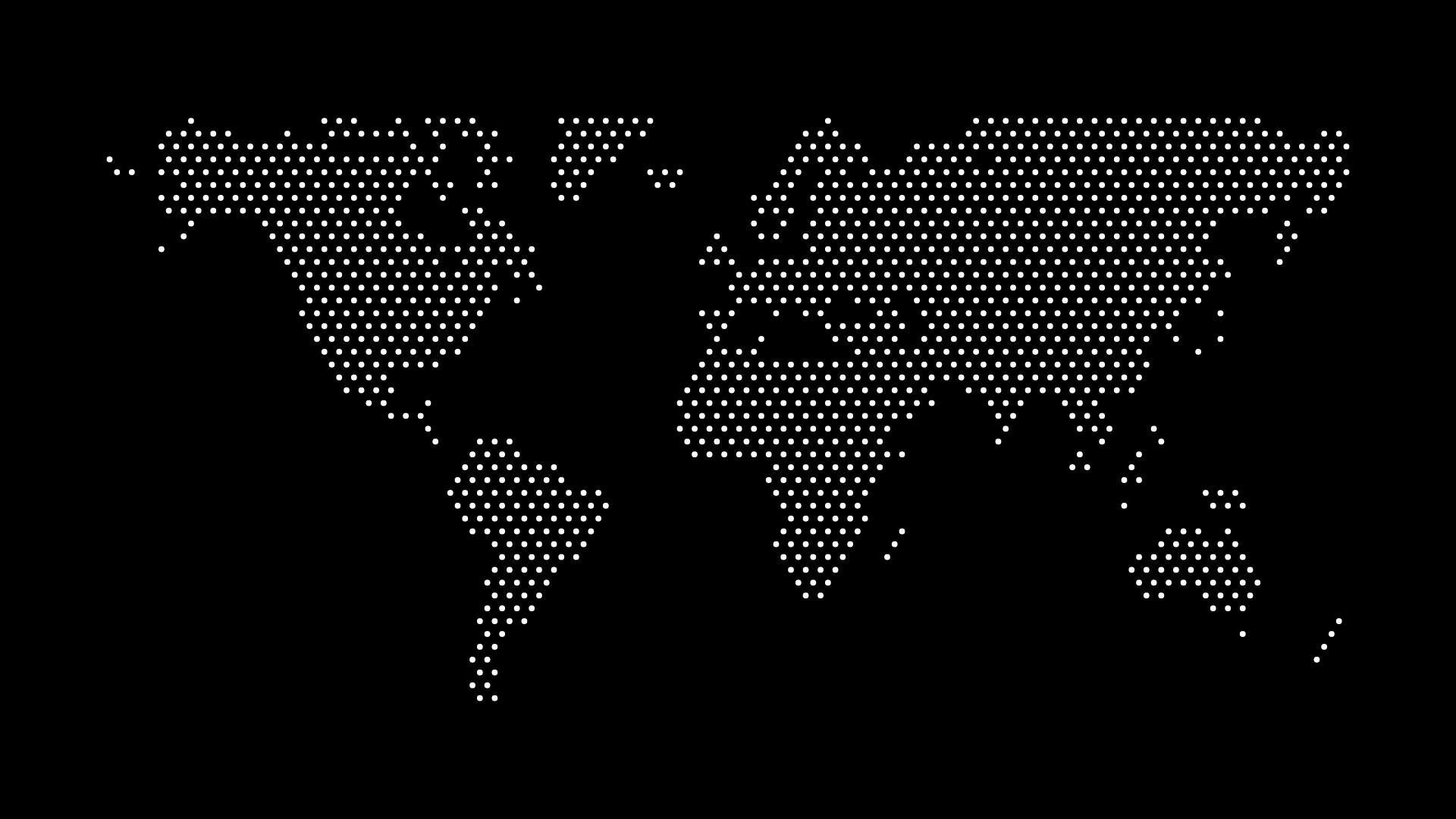
Loading animations with map elements create engaging, on-brand loading experiences that maintain user interest while content loads. Whether you're loading map data, fetching geographic information, or initializing map features, well-designed loading animations improve perceived performance and user experience.
In this guide, we'll explore how to design loading animations using map elements.
Why Use Map-Based Loading Animations?
Map loading animations offer several benefits:
- Brand consistency — Maintains visual identity
- User engagement — Keeps users interested
- Perceived performance — Feels faster
- Contextual — Relevant to map content
- Professional polish — Adds sophistication
Basic Loading Patterns
Dots Appearing
.map-loading {
  opacity: 0;
  animation: fadeInDots 2s ease-in infinite;
}

@keyframes fadeInDots {
  0%, 100% {
    opacity: 0.3;
  }
  50% {
    opacity: 1;
  }
}
Sequential Dot Reveal
.loading-dot:nth-child(1) {
  animation: dotPulse 1.5s ease-in-out 0s infinite;
}

.loading-dot:nth-child(2) {
  animation: dotPulse 1.5s ease-in-out 0.3s infinite;
}

.loading-dot:nth-child(3) {
  animation: dotPulse 1.5s ease-in-out 0.6s infinite;
}

@keyframes dotPulse {
  0%, 100% {
    opacity: 0.3;
    transform: scale(0.8);
  }
  50% {
    opacity: 1;
    transform: scale(1.2);
  }
}
Map-Specific Loading
Region Fill Animation
.loading-region {
  fill: #e5e7eb;
  animation: regionFill 2s ease-in-out infinite;
}

@keyframes regionFill {
  0% {
    fill: #e5e7eb;
  }
  50% {
    fill: #93c5fd;
  }
  100% {
    fill: #e5e7eb;
  }
}
Path Drawing Animation
.loading-path {
  stroke-dasharray: 1000;
  stroke-dashoffset: 1000;
  animation: drawPath 2s ease-in-out infinite;
}

@keyframes drawPath {
  0% {
    stroke-dashoffset: 1000;
  }
  100% {
    stroke-dashoffset: 0;
  }
}
Skeleton Loading
Map Skeleton
<div class="map-skeleton">
  <div class="skeleton-region"></div>
  <div class="skeleton-region"></div>
  <div class="skeleton-region"></div>
</div>
.skeleton-region {
  background: linear-gradient(
    90deg,
    #f3f4f6 0%,
    #e5e7eb 50%,
    #f3f4f6 100%
  );
  background-size: 200% 100%;
  animation: skeletonShimmer 1.5s ease-in-out infinite;
}

@keyframes skeletonShimmer {
  0% {
    background-position: -200% 0;
  }
  100% {
    background-position: 200% 0;
  }
}
Progress Indicators
Loading Progress
function showLoadingProgress(percentage) {
  const progressBar = document.querySelector('.loading-progress');
  progressBar.style.width = `${percentage}%`;

  if (percentage >= 100) {
    hideLoadingAnimation();
  }
}

function simulateLoading() {
  let progress = 0;
  const interval = setInterval(() => {
    progress += 10;
    showLoadingProgress(progress);

    if (progress >= 100) {
      clearInterval(interval);
    }
  }, 200);
}
Spinner with Map
.map-spinner {
  border: 4px solid #e5e7eb;
  border-top: 4px solid #3b82f6;
  border-radius: 50%;
  width: 50px;
  height: 50px;
  animation: spin 1s linear infinite;
}

@keyframes spin {
  0% {
    transform: rotate(0deg);
  }
  100% {
    transform: rotate(360deg);
  }
}
Advanced Loading States
Staggered Region Load
function loadRegionsSequentially(regions) {
  regions.forEach((region, index) => {
    setTimeout(() => {
      region.classList.add('loaded');
      region.style.opacity = '0';
      region.style.animation = 'fadeInRegion 0.5s ease-out forwards';
    }, index * 100);
  });
}
Wave Animation
.loading-wave {
  animation: wave 2s ease-in-out infinite;
}

.loading-wave:nth-child(1) {
  animation-delay: 0s;
}

.loading-wave:nth-child(2) {
  animation-delay: 0.2s;
}

.loading-wave:nth-child(3) {
  animation-delay: 0.4s;
}

@keyframes wave {
  0%, 100% {
    transform: translateY(0);
  }
  50% {
    transform: translateY(-10px);
  }
}
Best Practices
Duration
- Appropriate timing — 1-3 seconds typically
- Not too long — Don't frustrate users
- Smooth animation — Natural movement
- Consistent timing — Uniform across elements
Visual Design
- On-brand — Match brand identity
- Not distracting — Subtle but visible
- Clear purpose — Obvious loading state
- Professional appearance — Polished execution
Performance
- Lightweight — Don't slow down loading
- GPU accelerated — Use transforms
- Optimize — Efficient animations
- Test performance — Check on various devices
Common Patterns
Simple Pulse
- Fade in/out — Opacity animation
- Subtle effect — Not overwhelming
- Continuous — Loops until loaded
- Clean design — Simple and effective
Sequential Reveal
- One by one — Elements appear sequentially
- Progressive load — Shows progress
- Engaging — Keeps interest
- Organized — Logical sequence
Skeleton Screen
- Placeholder shapes — Shows structure
- Shimmer effect — Indicates loading
- Content preview — Shows layout
- Smooth transition — To actual content
Final Thoughts
Designing loading animations with map elements creates engaging, on-brand loading experiences that maintain user interest and improve perceived performance. Whether using simple pulses, sequential reveals, or skeleton screens, map-based loading animations enhance user experience.
Start with your map design, create loading states that match your brand, and ensure smooth transitions to loaded content. The result is professional loading animations that enhance user experience while content loads.
Ready to design loading animations? Generate your dotted map and start creating map-based loading states today.