How to Make a Dotted World Map Phone Wallpaper
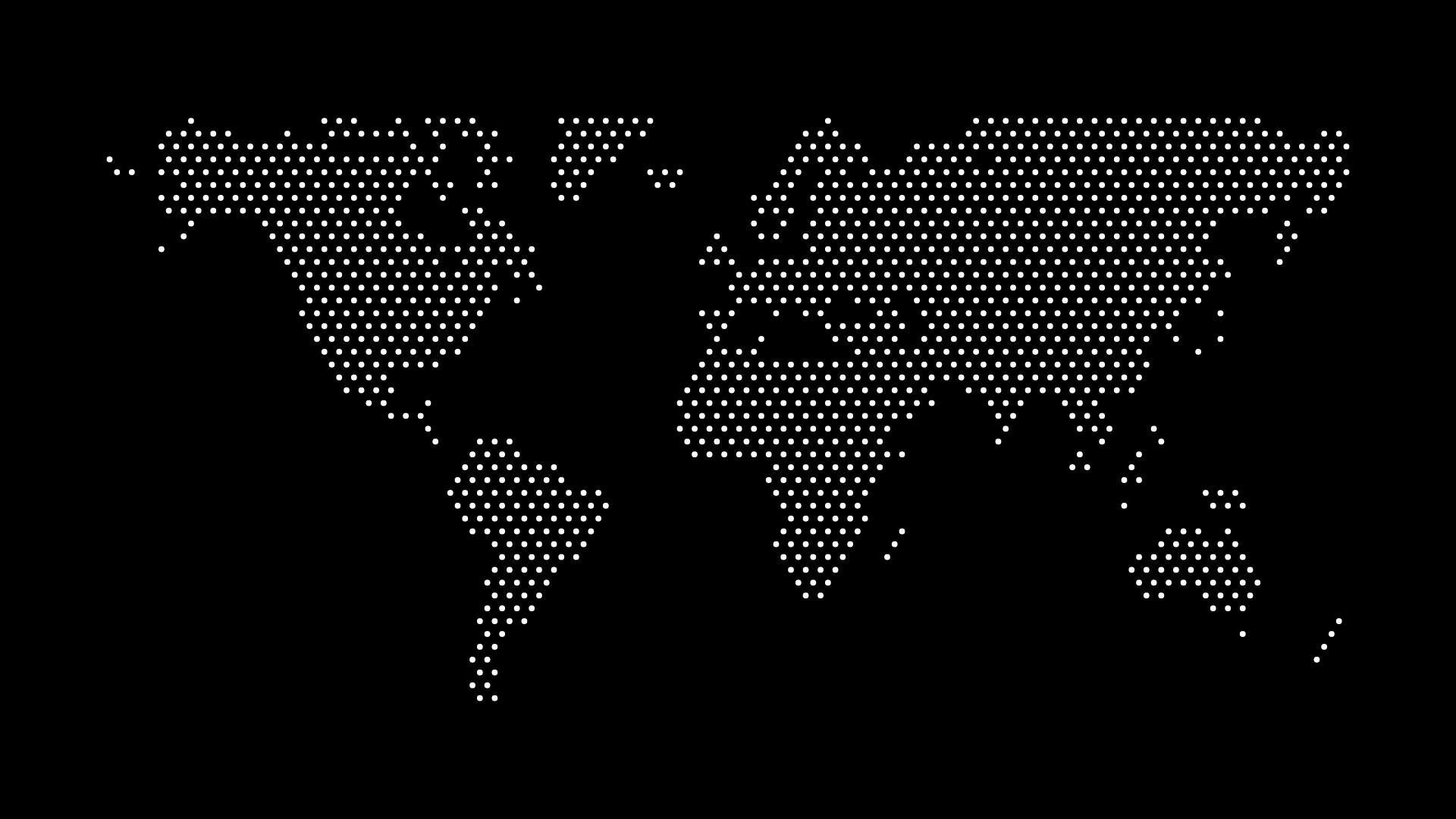
A dotted world map phone wallpaper makes a distinctive lock screen or home screen background precisely because it isn't a photo — it holds up as a flat, minimalist pattern behind icons and widgets in a way that a busy photograph usually doesn't. The main things to get right are sizing it for your specific device and leaving enough visual room for whatever sits on top of it.
Get the size right for your screen
Phone screens vary enough in resolution and aspect ratio that a single "wallpaper size" doesn't exist. A few practical approaches:
- Export at your phone's exact resolution (check your device's display specs) rather than guessing — a mismatched aspect ratio gets stretched or cropped unpredictably by the OS.
- If you're not sure of the exact number, exporting at a large square or tall portrait size (2000px+ on the long edge) and letting your phone's wallpaper picker crop it usually looks fine, since most modern phones apply a reasonable auto-crop.
- Export PNG, not SVG. Phone wallpaper settings expect a raster image; SVG isn't a supported wallpaper format on iOS or Android.
Leave room for icons and widgets
The biggest difference between a wallpaper and a normal design canvas is that a wallpaper is never seen on its own — it's always sitting behind app icons, a clock widget, and notification text. A dense, evenly distributed dot pattern across the whole frame can end up fighting with icon labels for legibility.
A few layout choices that hold up better in practice:
- Push the densest part of the map toward the top or bottom third of the frame, leaving a calmer middle band where most icons and widgets typically sit.
- Use a darker or lower-contrast dot color if your phone shows white icon labels, so text stays readable over any part of the map.
- Preview it on the actual lock screen and home screen before finalizing — a pattern that looks balanced in a design tool can read very differently once real icons, a clock, and a status bar are layered over it.
Choosing a color that works for both light and dark mode
Many phones let you set separate wallpapers (or a shared one with adaptive tinting) for light and dark appearance modes. A dotted map in a single mid-tone color often works reasonably well across both, but if you want it to look intentional rather than just "good enough" in each mode, it's worth generating two versions — a lighter map for light mode, a darker or inverted one for dark mode — rather than relying on the phone's automatic adjustments. General guidance on choosing map colors for light versus dark contexts applies directly here: see How to Choose Colors for a World Map Background.
Choosing region and scope
A full world map reads as a distinctive, all-over pattern, which suits a phone wallpaper well since there's no single "subject" that needs to stay perfectly centered. A single-country or regional map can work too — especially for a country with personal meaning — but a country with a long, narrow, or very irregular shape can leave a lot of empty space at portrait aspect ratios, so preview it in the actual portrait crop before committing.
If minimalist, uncluttered map styles are the goal generally rather than something specific to mobile screens, Minimalist World Map SVG for Modern Website Design covers the same restrained aesthetic applied to web design, and the same principles — one dot color, a simple background, restrained density — carry over directly to a wallpaper. If you'd rather have a print version of the same design for your wall rather than your pocket, see How to Create a Dotted Map Wall Art for Your Office.
Final thoughts
A dotted world map makes a clean, distinctive phone wallpaper as long as it's sized for your exact screen, exported as PNG, and designed with enough restraint in density and contrast to stay legible under real icons and widgets. Preview it on the actual lock screen before you commit, and consider a separate light and dark version if your phone switches appearance modes automatically.
Generate a map at World in Dots, export it as a high-resolution PNG, and set it as your wallpaper.