How to Optimize a World Map Image for SEO
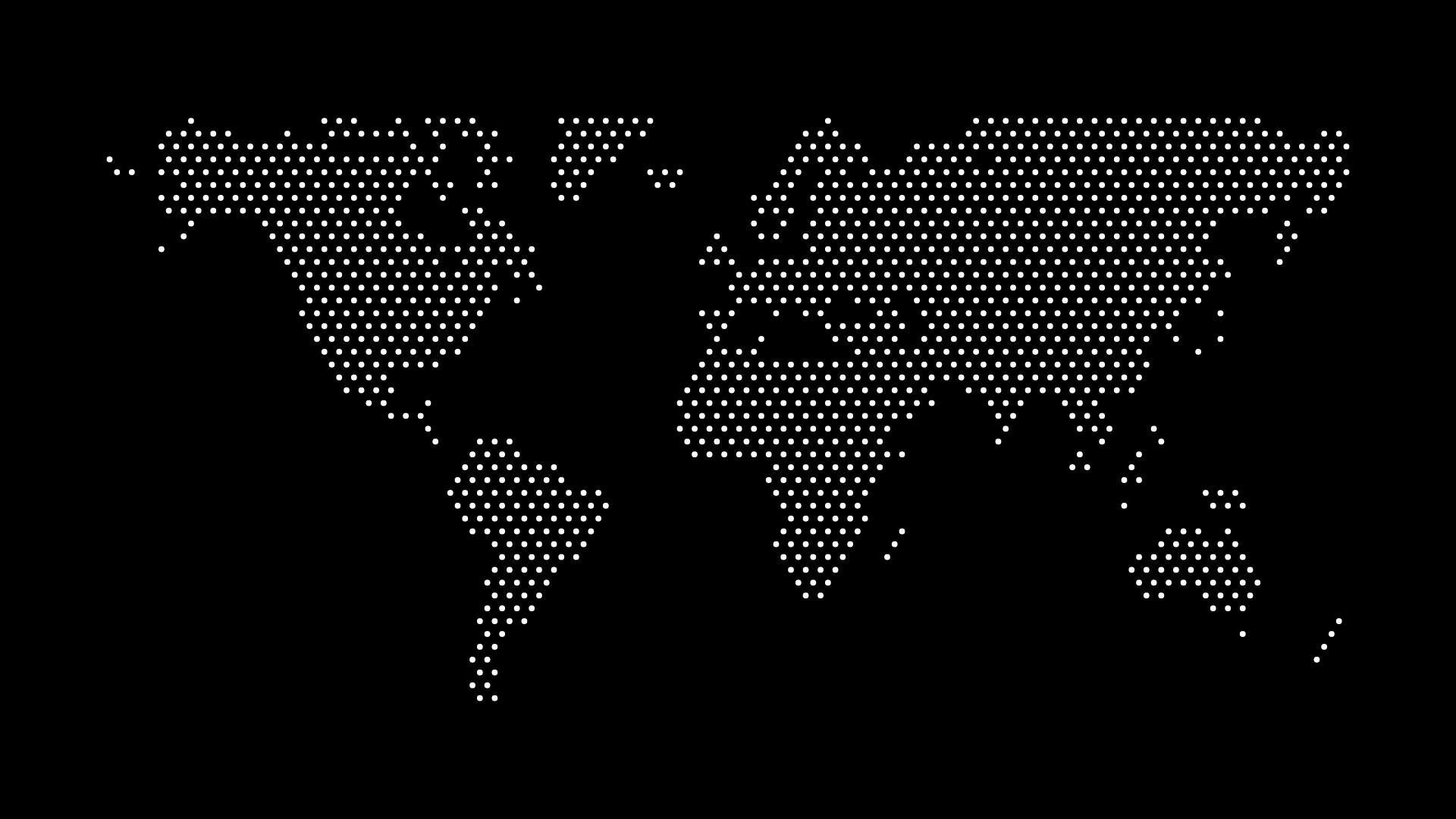
A world map graphic on a page about global reach, shipping zones, or office locations is exactly the kind of image that can pull in search traffic on its own — but only if it's set up to be found. Optimizing a world map image for SEO means treating it as a real page asset with its own signals, not just a visual that happens to sit near some text.
This is separate from making the image load fast, even though the two get conflated. A compressed, lazy-loaded SVG can still be functionally invisible to search engines if the file name is a random hash, there's no alt text, and nothing on the page tells a crawler what the image actually shows. The good news is that a clean export from a dotted world map generator already gives you a head start over a stock photo or a screenshot, since you're starting from a deliberate, well-structured graphic rather than something you have to clean up first.
Start With What the File Is Named
Search engines use the file name as a real ranking signal for image search, and it's the easiest thing on this list to get right. world-map-customer-distribution.svg tells a crawler (and, eventually, a human scanning search results) exactly what the image is; img-4821.svg or an auto-generated export hash tells them nothing. Rename the file before uploading it — renaming after the fact usually means breaking whatever URL is already indexed and starting over.
Write Alt Text That Describes, Not Stuffs
Alt text serves two audiences at once: screen reader users and search crawlers, and good alt text satisfies both without extra effort. Describe what the map actually shows — "Dotted world map highlighting 40 countries where Acme has active customers" — rather than repeating a target keyword five times in one sentence. Keyword-stuffed alt text is both a worse accessibility experience and a well-documented signal that search engines discount rather than reward. Accessibility best practices for SVG maps covers writing alt text properly in more depth, and the same guidance applies directly here.
Choose a Format Search Engines Can Actually Index
SVG and PNG are both indexable, but they behave differently in image search results. PNG tends to be the safer default for a map you specifically want to rank in Google Images, since SVG thumbnails render inconsistently across search surfaces and some crawlers still handle inline SVG less reliably than a standard raster file. If the map's primary job is being embedded and edited by other people, SVG remains the right format — see SVG vs PNG maps: choosing the right format for that trade-off — but if the goal is specifically image-search visibility, export a PNG alongside it for that purpose.
Add Structured Context Around the Image
A crawler infers what an image is about partly from the image itself and heavily from the page around it — the heading above it, the caption below it, and the surrounding paragraph text. A map dropped into a page with no descriptive text nearby ranks far worse than the same map placed under a heading like "Where We Ship" with a sentence explaining what's highlighted and why. If the page is built with structured data already (an Article or Product schema, for example), make sure the image is referenced in that markup's image field rather than only appearing in the page's raw HTML — this is what allows the image to surface in rich results rather than plain organic listings.
Don't Let Performance Fixes Undo the SEO Work
Compression and lazy loading are good practice, but they can quietly work against image SEO if applied carelessly. A lazy-loaded image with no explicit width and height attributes can cause layout shift that hurts a page's Core Web Vitals score, which is itself a ranking factor — so pair lazy loading with reserved dimensions in the markup. Likewise, compressing an SVG for faster loading should never strip the <title> or metadata elements inside the SVG file itself, since some optimizers remove those by default and they carry real semantic value for accessibility and search alike.
Final Thoughts
A world map image ranks the same way any other image does: a descriptive file name, honest alt text, a format suited to the goal, and real supporting context on the page around it. None of this requires touching the map's design — it's entirely about how the finished export gets named, described, and embedded once it leaves the generator.