How to Represent Overseas Territories on World Maps
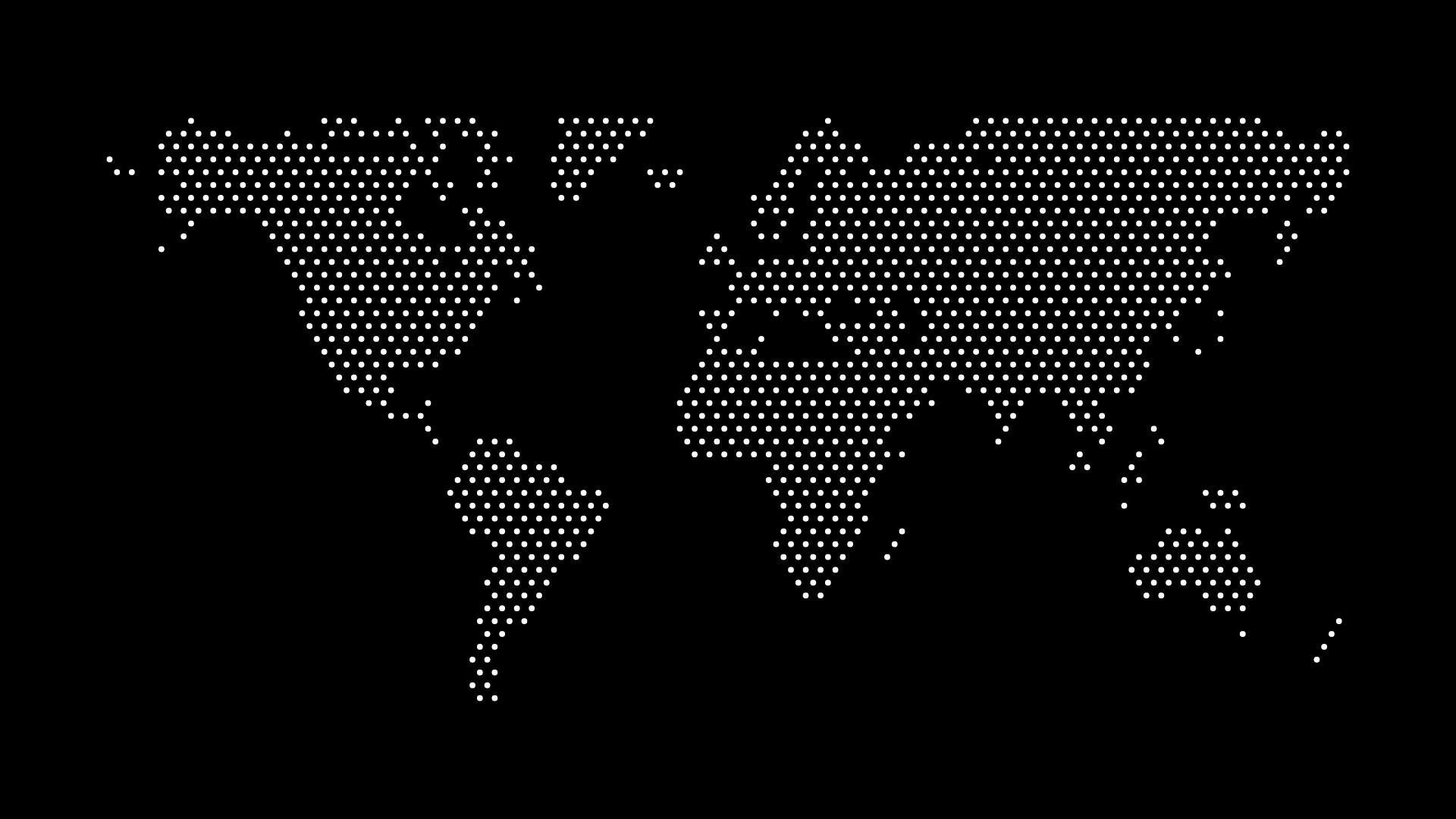
Representing overseas territories on world maps requires careful consideration of territorial relationships, administrative connections, and geographic accuracy. Overseas territories, dependencies, and associated states present unique challenges in map visualization that require thoughtful approaches.
In this guide, we'll explore how to represent overseas territories effectively on world maps.
Understanding Overseas Territories
Overseas territories are territories that are geographically distant from their administering country but remain under its sovereignty or administration. These relationships require clear, accurate representation in maps.
Types:
- Overseas territories
- Dependencies
- Associated states
- Special administrative regions
Representation Approaches
Color Coding
Approach:
- Use same color as parent country
- Show territorial relationship
- Visual connection
- Clear association
Techniques:
- Matching colors
- Consistent styling
- Relationship indication
- Visual connection
Best For:
- Showing relationships
- Clear associations
- Visual connections
- Relationship emphasis
Connection Lines
Approach:
- Draw lines connecting territories
- Show administrative links
- Indicate relationships
- Visual connections
Techniques:
- Dotted connection lines
- Color-coded lines
- Clear connections
- Relationship visualization
Best For:
- Clear relationships
- Administrative connections
- Visual links
- Relationship emphasis
Labels and Annotations
Approach:
- Label territories clearly
- Indicate parent country
- Show relationships
- Provide context
Techniques:
- Clear labels
- Parent country indication
- Relationship notes
- Contextual information
Best For:
- Detailed information
- Educational content
- Relationship clarity
- Comprehensive view
Design Considerations
Visual Consistency
Approach:
- Consistent styling
- Uniform representation
- Clear relationships
- Cohesive design
Techniques:
- Matching colors
- Consistent styling
- Uniform treatment
- Cohesive appearance
Geographic Accuracy
Approach:
- Accurate positions
- Correct locations
- Proper geography
- Reliable representation
Techniques:
- Verified coordinates
- Accurate placement
- Correct geography
- Reliable data
Clarity
Approach:
- Clear representation
- Obvious relationships
- Readable labels
- Understandable display
Techniques:
- Clear styling
- Obvious connections
- Readable text
- Intuitive design
Common Overseas Territories
French Territories
Examples:
- French Guiana
- French Polynesia
- New Caledonia
- Various islands
Representation:
- Same color as France
- Connection indicators
- Clear labeling
- Relationship visualization
British Territories
Examples:
- Gibraltar
- Falkland Islands
- Various territories
Representation:
- Same color as UK
- Connection lines
- Clear labels
- Relationship indication
US Territories
Examples:
- Puerto Rico
- Guam
- US Virgin Islands
Representation:
- Same color as USA
- Connection visualization
- Clear labeling
- Relationship display
Best Practices
Accuracy
- Correct relationships — Accurate associations
- Proper geography — Correct locations
- Reliable information — Verified data
- Current status — Up-to-date information
Clarity
- Clear relationships — Obvious connections
- Readable labels — Legible text
- Visual consistency — Uniform styling
- Understandable — Easy to interpret
Consistency
- Uniform treatment — Consistent approach
- Standard styling — Regular representation
- Cohesive design — Unified appearance
- Professional quality — Polished execution
Technical Solutions
SVG Implementation
Approaches:
- Color matching
- Connection paths
- Label placement
- Relationship visualization
Techniques:
- SVG groups
- Color inheritance
- Connection lines
- Label positioning
Interactive Features
Approaches:
- Hover for details
- Click for information
- Show relationships
- Interactive exploration
Benefits:
- Detailed on demand
- Relationship display
- User exploration
- Enhanced information
Final Thoughts
Representing overseas territories on world maps requires careful consideration of relationships, accuracy, and clarity. Whether using color coding, connection lines, or labels, thoughtful approaches ensure territories are accurately represented with clear relationships to their parent countries.
Consider relationships, accuracy, and user understanding when designing maps with overseas territories. The result is maps that accurately represent territorial relationships while maintaining clarity and professional quality.
Ready to represent overseas territories? Consider your approach and create maps that accurately show territorial relationships and administrative connections.