How Travel Bloggers Use Custom Maps to Engage Readers
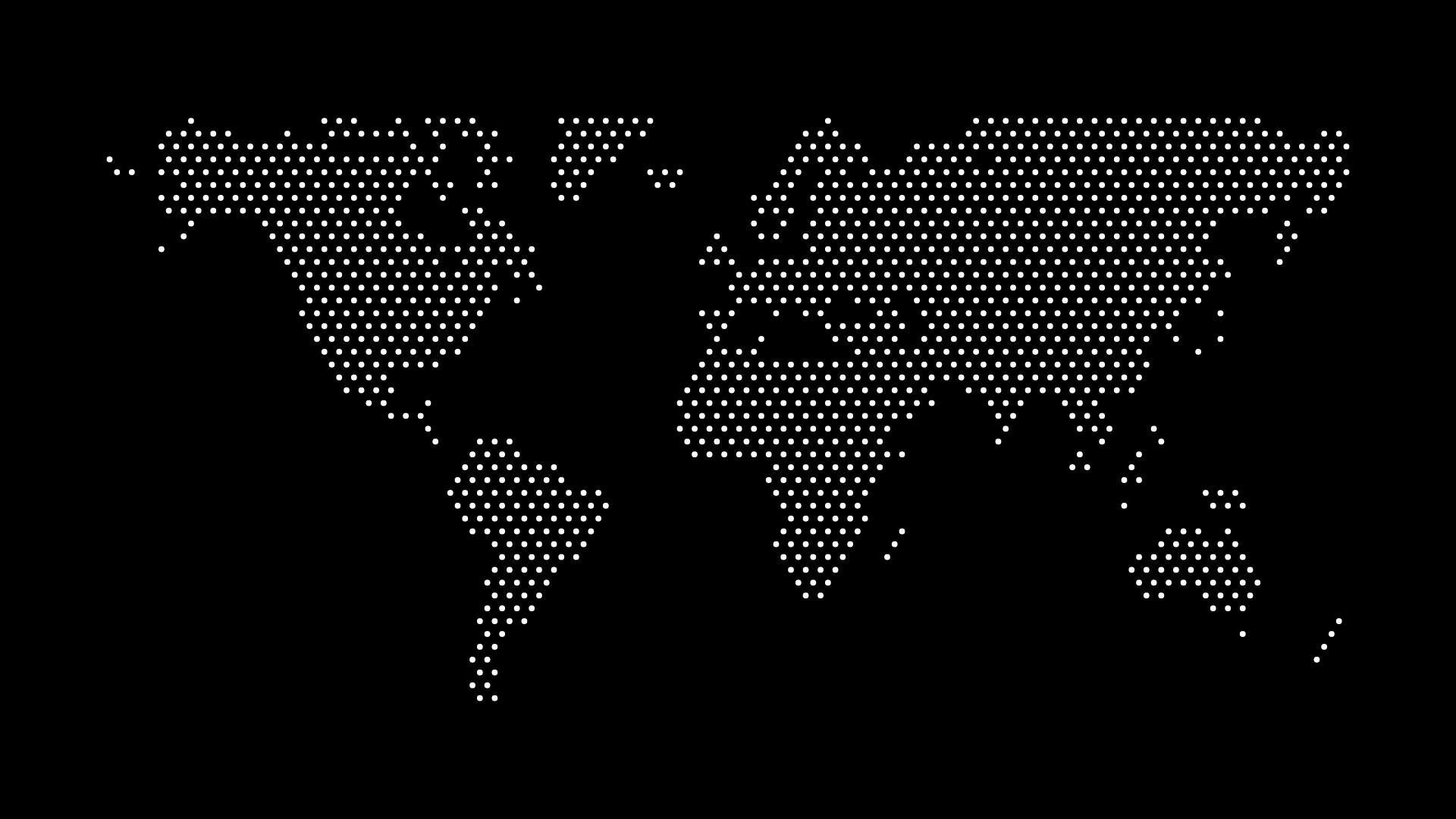
Travel bloggers have discovered that custom maps are powerful tools for storytelling and engagement. Maps visualize journeys, highlight destinations, and create shareable content that resonates with travel-loving audiences.
In this guide, we'll explore how travel bloggers use maps effectively and how you can create engaging map content for your travel blog.
Why Maps Work for Travel Blogging
Maps serve multiple purposes for travel content:
- Visual storytelling — Show journeys and destinations
- Engagement — Readers love map-based content
- Shareability — Maps are highly shareable on social media
- SEO value — Geographic content improves search visibility
- Brand identity — Consistent map style builds recognition
Common Map Applications
Destination Highlights
Show featured locations:
- Country maps — Highlight visited countries
- City maps — Focus on specific cities
- Route maps — Show travel itineraries
- Regional maps — Feature specific regions
Example: A blog post about "10 Days in Japan" includes a map showing the route through Tokyo, Kyoto, and Osaka.
Travel Itineraries
Visualize trip plans:
- Day-by-day routes — Show daily travel paths
- Multi-city journeys — Connect destinations
- Round trips — Circular route visualization
- One-way journeys — Linear travel paths
Example: A "European Road Trip" post includes a map showing the route from London to Istanbul with stops marked.
Countries Visited
Track travel achievements:
- World map — All countries visited
- Continents — Regional travel focus
- Yearly summaries — Travel in a specific year
- Bucket list — Dream destinations
Example: A "50 Countries Before 50" series uses maps to show progress toward the goal.
Destination Guides
Support location-based content:
- City guides — Neighborhood maps
- Country guides — Regional information
- Attraction maps — Points of interest
- Practical maps — Transportation, accommodation
Example: A "48 Hours in Paris" guide includes a map showing recommended areas and attractions.
Design Styles for Travel Blogs
Minimalist Dotted Maps
Clean and modern:
- Instagram-friendly — Perfect for social media
- Brand consistency — Works across all content
- Easy to customize — Match blog aesthetic
- Professional — Sophisticated appearance
Best for: Modern travel blogs, Instagram-focused content, minimalist brands
Detailed Illustrative Maps
Rich and informative:
- Educational — Teach geography
- Engaging — Visually interesting
- Comprehensive — Lots of detail
- Traditional — Classic travel style
Best for: Detailed guides, educational content, comprehensive blogs
Stylized Creative Maps
Unique and artistic:
- Memorable — Stands out
- Brand identity — Distinctive style
- Creative — Artistic expression
- Engaging — Draws attention
Best for: Creative travel blogs, artistic brands, unique content
Content Ideas
Blog Post Headers
Maps as article openers:
- Hero images — Large map backgrounds
- Featured graphics — Prominent map placement
- Section dividers — Maps between sections
- Closing graphics — Maps as conclusions
Design Tip: Keep maps simple so they don't compete with article titles and text.
Social Media Content
Shareable map graphics:
- Instagram posts — Square format maps
- Stories — Full-screen map backgrounds
- Pinterest pins — Vertical map designs
- Facebook covers — Header map graphics
Design Tip: Optimize for each platform's requirements and best practices.
Interactive Content
Engaging map experiences:
- Clickable maps — Link to blog posts
- Hover tooltips — Show destination info
- Animated maps — Reveal journeys over time
- Embedded maps — Interactive web maps
Design Tip: Ensure interactive elements work on mobile devices.
Print Materials
Physical map content:
- Travel guides — Printed destination maps
- Posters — Large format travel maps
- Postcards — Map-based designs
- Merchandise — Map t-shirts, bags
Design Tip: Use high resolution for print quality.
Best Practices
Consistency
Maintain visual consistency:
- Same style — Use consistent map style
- Color palette — Match blog colors
- Typography — Consistent fonts
- Quality — Professional appearance always
Accuracy
Ensure geographic accuracy:
- Correct locations — Accurate coordinates
- Current information — Up-to-date data
- Verified routes — Actual travel paths
- Proper labels — Correct place names
Engagement
Create engaging content:
- Tell stories — Maps support narratives
- Add context — Explain map elements
- Encourage interaction — Ask questions, invite comments
- Share widely — Post on multiple platforms
SEO Optimization
Improve search visibility:
- Geographic keywords — Include location names
- Alt text — Describe maps for search engines
- File names — Descriptive map file names
- Structured data — Markup for geographic content
Tools and Resources
Map Generation
- World in Dots — Create custom travel maps
- Design software — Customize and style
- Mapping tools — Route planning and visualization
Content Creation
- Photo editing — Combine maps with photos
- Social media tools — Optimize for platforms
- Blog platforms — Integrate maps into posts
Inspiration
- Travel blogs — See how others use maps
- Design galleries — Map design inspiration
- Social media — Popular travel map content
Creating Travel Map Content
Step 1: Plan Your Content
Define your map purpose:
- Story — What journey are you telling?
- Audience — Who will view this?
- Platform — Where will it be shared?
- Goal — What do you want to achieve?
Step 2: Gather Information
Collect necessary data:
- Destinations — Locations to include
- Routes — Travel paths
- Dates — Timeline information
- Photos — Visual references
Step 3: Design Your Map
Create the visualization:
- Choose style — Match blog aesthetic
- Select regions — Focus on relevant areas
- Add markers — Highlight destinations
- Customize — Apply colors and styling
Step 4: Create Content
Develop supporting content:
- Blog post — Write accompanying article
- Social posts — Create social media content
- Captions — Write engaging descriptions
- Hashtags — Use relevant travel hashtags
Step 5: Share and Engage
Publish and promote:
- Blog integration — Add to blog post
- Social sharing — Post on platforms
- Community engagement — Respond to comments
- Analytics — Track performance
Common Travel Map Types
Journey Maps
Show travel routes:
- Road trips — Driving routes
- Flight paths — Air travel routes
- Train journeys — Rail routes
- Multi-modal — Combined transportation
Destination Maps
Highlight locations:
- City maps — Urban destinations
- Country maps — National destinations
- Regional maps — Area destinations
- Attraction maps — Specific places
Progress Maps
Track achievements:
- Countries visited — Travel progress
- Continents explored — Regional progress
- Goals achieved — Milestone tracking
- Bucket lists — Dream destinations
Comparison Maps
Show differences:
- Before/after — Travel changes
- Seasons — Different times of year
- Experiences — Different trip types
- Regions — Area comparisons
Final Thoughts
Custom maps are powerful tools for travel bloggers. They visualize journeys, highlight destinations, and create engaging, shareable content that resonates with travel-loving audiences.
The key is creating maps that tell your story while maintaining consistency with your blog's brand and style. Whether you're showing a single destination or tracking years of travel, maps add visual interest and geographic context to your content.
Ready to enhance your travel blog? Generate custom maps that tell your travel stories and engage your readers effectively.