Map Design Trends to Watch This Year
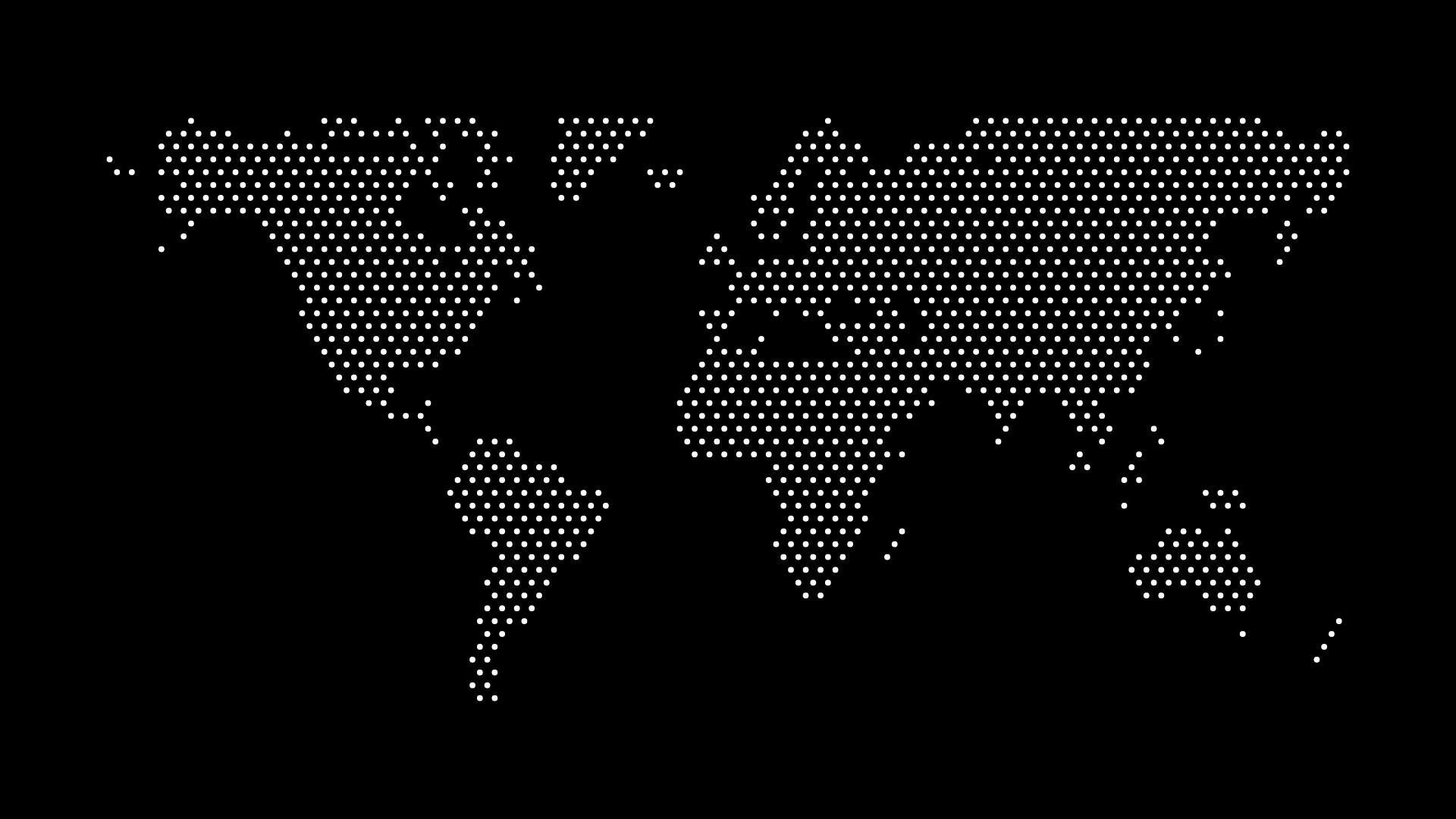
Map design continues to evolve, driven by technology, aesthetics, and user needs. As we move through 2026, several trends are shaping how maps are created, styled, and used across digital and print media.
In this article, we'll explore the key map design trends to watch this year and how they're influencing geographic visualization.
1. Ultra-Minimalist Dotted Maps
The trend toward simplicity continues:
- Sparse dot patterns — Fewer dots, more white space
- Monochrome palettes — Black, white, and grays
- Geometric precision — Perfectly aligned dot grids
- Abstract representation — Maps become more symbolic
Why it's trending: Clean, modern aesthetic that works across all media. Perfect for brands wanting a sophisticated, timeless look.
2. Animated and Interactive Maps
Motion brings maps to life:
- CSS animations — Smooth, performant transitions
- Progressive reveals — Maps that build over time
- Hover interactions — Rich tooltips and highlights
- Scroll-triggered — Maps that animate on scroll
Why it's trending: Engages users and tells stories dynamically. Modern web technologies make animation accessible.
3. Dark Mode Maps
Dark themes are everywhere:
- Dark backgrounds — High contrast dot patterns
- Neon accents — Bright colors on dark bases
- Reduced eye strain — Easier viewing in low light
- Modern aesthetic — Tech-forward appearance
Why it's trending: Dark mode is standard across apps and websites. Maps adapt to match.
4. Data-Integrated Maps
Maps as data visualization tools:
- Real-time data — Live updating visualizations
- Multiple metrics — Layered information
- Interactive exploration — Users drill into data
- Comparative views — Side-by-side comparisons
Why it's trending: Data-driven decision making requires visual tools. Maps make geographic data accessible.
5. Custom Branded Maps
Maps match brand identity:
- Brand colors — Custom color palettes
- Logo integration — Brand elements in maps
- Consistent styling — Maps match overall design
- Unique patterns — Distinctive dot arrangements
Why it's trending: Brands want cohesive visual identity. Maps are part of the brand system.
6. Regional Focus Maps
Detailed regional visualizations:
- Continent deep-dives — Focused regional maps
- City-level detail — Urban area maps
- Cultural regions — Beyond political boundaries
- Thematic regions — Economic or cultural zones
Why it's trending: Global context isn't always needed. Focused maps provide relevant detail.
7. 3D and Isometric Maps
Depth adds dimension:
- Isometric projection — 3D appearance in 2D
- Layered elements — Depth through stacking
- Shadow effects — Realistic lighting
- Perspective views — Angled map presentations
Why it's trending: Adds visual interest and modern feel. Works well for presentations and marketing.
8. Gradient and Color Transitions
Smooth color blending:
- Gradient fills — Smooth color transitions
- Heat map styles — Color intensity gradients
- Blend modes — Creative color mixing
- Custom gradients — Brand-specific color flows
Why it's trending: Adds sophistication and visual interest. Modern design tools make gradients easy.
9. Accessible Map Design
Inclusion-focused design:
- Colorblind palettes — Accessible color choices
- High contrast — Readable for all users
- Text alternatives — Screen reader support
- Keyboard navigation — Full accessibility
Why it's trending: Legal requirements and ethical design. Accessible maps reach more users.
10. Print-Ready High-Resolution Maps
Quality for physical media:
- Vector formats — Scalable for any size
- CMYK optimization — Print color accuracy
- Large format — Poster and banner sizes
- Professional quality — Publication-ready
Why it's trending: Print isn't dead. High-quality maps needed for reports, posters, and marketing.
11. Mobile-First Map Design
Optimized for small screens:
- Touch interactions — Swipe and pinch gestures
- Responsive layouts — Adapt to screen sizes
- Simplified detail — Less information, more clarity
- Fast loading — Optimized file sizes
Why it's trending: Most web traffic is mobile. Maps must work perfectly on phones.
12. Storytelling Maps
Maps that tell narratives:
- Journey maps — Travel routes and stories
- Timeline integration — Maps showing change over time
- Annotated maps — Stories embedded in geography
- Interactive narratives — Click-through stories
Why it's trending: Stories engage audiences. Maps provide geographic context for narratives.
13. Sustainable Design Maps
Eco-conscious visualization:
- Minimal resources — Lightweight files
- Efficient rendering — Low energy consumption
- Print optimization — Less ink usage
- Digital-first — Reduce physical printing
Why it's trending: Environmental consciousness. Efficient design is responsible design.
14. AI-Generated Map Variations
Automated customization:
- Style transfer — Apply styles automatically
- Pattern generation — Algorithmic dot arrangements
- Color suggestions — AI-recommended palettes
- Layout optimization — Automated positioning
Why it's trending: AI tools make customization faster. Designers can iterate quickly.
15. Collaborative Map Design
Team-based creation:
- Cloud editing — Real-time collaboration
- Version control — Track changes
- Comment systems — Team feedback
- Shared libraries — Reusable components
Why it's trending: Remote work requires collaboration tools. Teams work together on maps.
How to Stay Current
Follow Design Communities
- Design blogs — Stay updated on trends
- Social media — See what's popular
- Design galleries — Inspiration and examples
- Industry reports — Trend analysis
Experiment with Tools
- New software — Try emerging tools
- Templates — Use trend-based templates
- Plugins — Extend functionality
- APIs — Integrate new capabilities
Test and Iterate
- User feedback — See what works
- A/B testing — Compare approaches
- Analytics — Measure engagement
- Refinement — Improve based on data
Tools for Modern Map Design
- World in Dots — Generate trendy dotted maps
- Design software — Latest features and tools
- Animation libraries — CSS and JavaScript
- Collaboration platforms — Team-based design
Final Thoughts
Map design trends reflect broader shifts in technology, aesthetics, and user expectations. Staying current with trends helps create maps that feel modern and engage audiences effectively.
However, trends should serve your goals. Not every trend fits every project. Choose trends that enhance your message and serve your audience.
The best maps balance trendiness with timelessness — they feel current but won't look dated quickly. Use trends as inspiration, but create maps that work for your specific needs.
Ready to create trend-forward maps? Generate modern dotted maps and apply the latest design trends to your projects.