The Art of Geographic Data Visualization
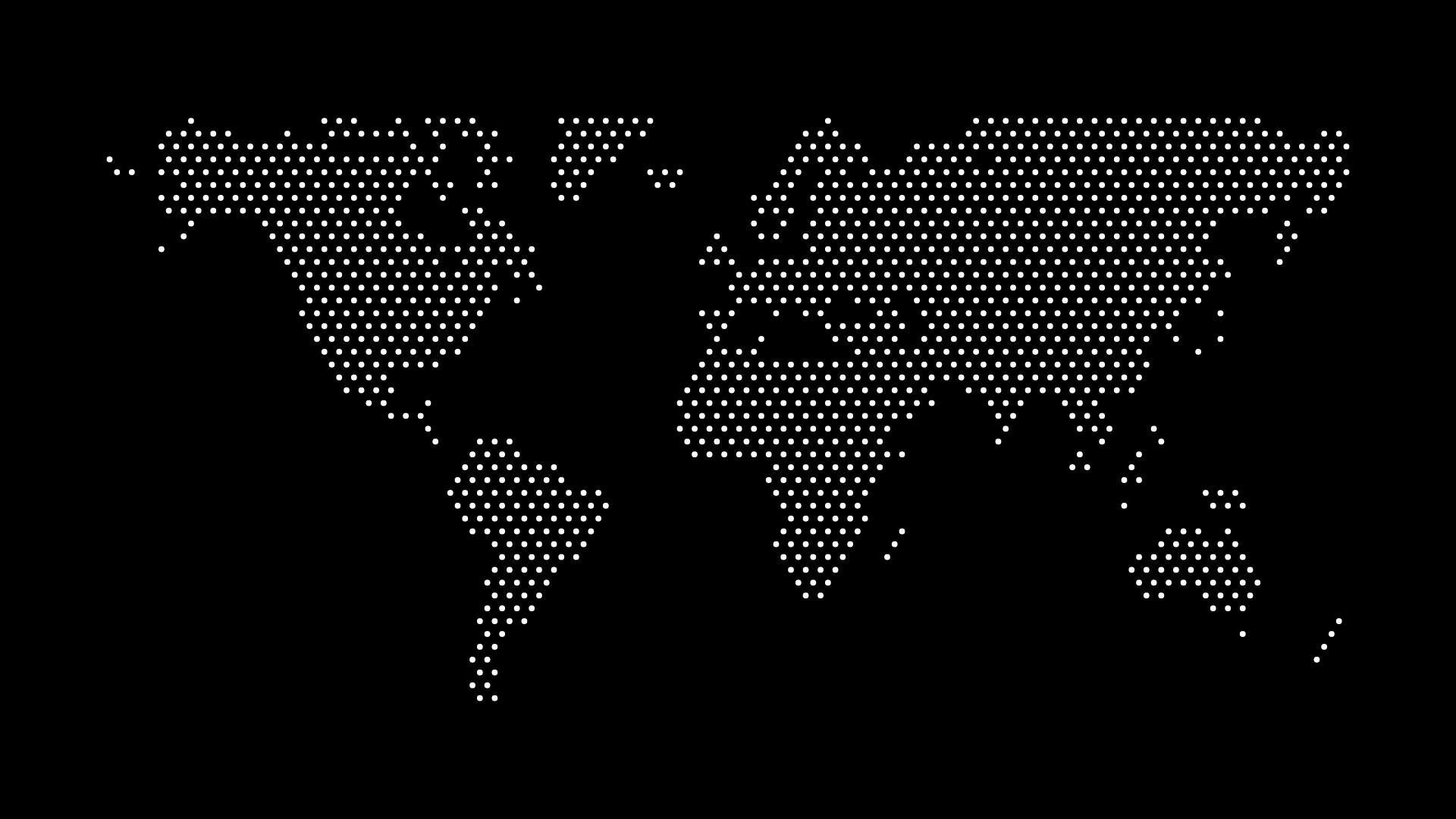
Geographic data visualization is the art of combining maps with data to reveal patterns, tell stories, and communicate insights. When done well, these visualizations transform complex geographic information into clear, compelling narratives.
In this guide, we'll explore the principles, techniques, and best practices of creating effective geographic data visualizations.
What is Geographic Data Visualization?
Geographic data visualization combines:
- Spatial data — Location-based information
- Statistical data — Numbers, metrics, and measurements
- Visual design — Maps, charts, and graphics
- Narrative — Storytelling and context
The result is a visualization that communicates geographic patterns and relationships effectively.
Core Principles
Clarity
The primary goal is clarity:
- Simple design — Don't overwhelm with detail
- Clear labels — Readable text and annotations
- Focused message — One main insight per visualization
- Intuitive understanding — Viewers grasp meaning quickly
Accuracy
Maintain data integrity:
- Correct geography — Accurate boundaries and locations
- Proper scaling — Data represented proportionally
- Reliable sources — Verified data and statistics
- Appropriate projections — Suitable map projections
Context
Provide necessary context:
- Time period — When data was collected
- Data source — Where information comes from
- Methodology — How data was processed
- Limitations — What the visualization shows and doesn't show
Aesthetics
Balance form and function:
- Visual appeal — Engaging and professional
- Brand consistency — Match organizational style
- Color harmony — Thoughtful color choices
- Balance — Proper use of white space
Common Visualization Types
Choropleth Maps
Color-coded regions by data values:
- Best for: Comparing regions or countries
- Example: Population density, income levels
- Design: Use color gradients effectively
- Consideration: Ensure colorblind accessibility
Dot Density Maps
Dots represent quantities:
- Best for: Showing distribution and concentration
- Example: Population, events, occurrences
- Design: Appropriate dot size and density
- Consideration: Avoid visual clutter
Proportional Symbol Maps
Symbol size represents value:
- Best for: Comparing magnitudes across locations
- Example: City populations, sales by region
- Design: Clear size relationships
- Consideration: Ensure symbols don't overlap excessively
Flow Maps
Show movement or connections:
- Best for: Migration, trade, transportation
- Example: Shipping routes, population flows
- Design: Clear directional indicators
- Consideration: Avoid crossing lines when possible
Heat Maps
Color intensity shows density:
- Best for: Concentration and hotspots
- Example: Crime rates, website clicks, temperature
- Design: Smooth color transitions
- Consideration: Use appropriate color scales
Design Techniques
Color Selection
Choose colors thoughtfully:
- Sequential scales — Light to dark for ordered data
- Diverging scales — Two colors meeting in middle for comparisons
- Categorical colors — Distinct colors for categories
- Accessibility — Colorblind-friendly palettes
Typography
Use text effectively:
- Hierarchy — Different sizes for different importance
- Readability — Legible fonts and sizes
- Placement — Labels don't obscure data
- Consistency — Uniform styling throughout
Legends and Annotations
Guide viewer understanding:
- Clear legends — Explain symbols and colors
- Data sources — Credit information sources
- Notes — Additional context or explanations
- Scale indicators — Show map scale when relevant
Interactive Elements
Enhance engagement:
- Hover tooltips — Reveal details on interaction
- Click to drill down — Explore deeper levels
- Filters — Allow data exploration
- Time sliders — Show changes over time
Data Preparation
Data Collection
Gather accurate information:
- Reliable sources — Government data, research institutions
- Appropriate granularity — Right level of detail
- Time consistency — Same time period for all data
- Geographic matching — Data aligns with map boundaries
Data Processing
Prepare data for visualization:
- Cleaning — Remove errors and inconsistencies
- Normalization — Adjust for population or area when needed
- Aggregation — Combine data to appropriate levels
- Transformation — Convert to visualization-friendly format
Geographic Alignment
Ensure data matches geography:
- Boundary matching — Data regions match map regions
- Coordinate systems — Consistent projections
- Resolution — Appropriate detail level
- Updates — Current boundary data
Best Practices
Start with a Question
Every visualization should answer something:
- What story are you telling?
- What insight do you want to reveal?
- What decision will this inform?
- What audience are you addressing?
Choose the Right Map Type
Match visualization to data:
- Comparison — Choropleth or proportional symbols
- Distribution — Dot density or heat maps
- Movement — Flow maps or animated sequences
- Relationships — Network or connection maps
Test and Iterate
Refine your visualization:
- User testing — Do viewers understand it?
- Feedback — Gather input from stakeholders
- Refinement — Improve based on feedback
- Validation — Verify accuracy and clarity
Consider Your Audience
Tailor to viewers:
- Expertise level — Technical or general audience?
- Context — Where will it be viewed?
- Purpose — Inform, persuade, or explore?
- Format — Print, web, or presentation?
Common Mistakes
Overcomplicating
Problem: Too much information or detail
Solution: Simplify. Focus on one main message.
Misleading Scales
Problem: Distorted data representation
Solution: Use appropriate scales and projections.
Poor Color Choices
Problem: Colors that confuse or mislead
Solution: Use established color conventions and test accessibility.
Missing Context
Problem: Viewers don't understand what they're seeing
Solution: Include legends, annotations, and data sources.
Tools and Resources
Map Generation
- World in Dots — Create base maps
- GIS software — Advanced geographic analysis
- Design tools — Customize and style
Data Sources
- Government data — Census, statistics offices
- Research institutions — Academic datasets
- International organizations — UN, World Bank data
- Commercial data — Industry-specific sources
Visualization Tools
- D3.js — Custom web visualizations
- Tableau — Business intelligence platform
- QGIS — Open-source GIS
- Python/R — Programming for data visualization
Creating Your Visualization
Step 1: Define Your Objective
What do you want to communicate?
- Identify the question — What are you answering?
- Determine audience — Who will view this?
- Set context — Where will it be used?
- Define success — How will you know it worked?
Step 2: Gather and Prepare Data
Collect and process information:
- Find data sources — Reliable, current information
- Clean data — Remove errors and inconsistencies
- Process data — Transform to visualization format
- Verify accuracy — Check data quality
Step 3: Choose Visualization Type
Select appropriate format:
- Match to data — What type fits your data?
- Consider audience — What will they understand?
- Think about message — What story are you telling?
- Plan interactivity — Static or interactive?
Step 4: Design and Create
Build your visualization:
- Generate base map — Start with clean geography
- Apply data — Overlay your information
- Style effectively — Colors, typography, layout
- Add context — Legends, annotations, sources
Step 5: Test and Refine
Improve your work:
- Test understanding — Do viewers get it?
- Check accuracy — Verify data representation
- Gather feedback — Input from stakeholders
- Iterate — Refine based on feedback
Final Thoughts
Geographic data visualization is both art and science. It requires technical skill, design sense, and storytelling ability. When done well, these visualizations reveal insights, tell stories, and inform decisions.
The key is balancing accuracy with clarity, data with design, and complexity with simplicity. A great geographic visualization doesn't just show data — it reveals patterns, tells stories, and inspires action.
Ready to create compelling geographic visualizations? Start with a clean map from World in Dots and layer on your data to tell your story.