Understanding Map Projections for Digital Design
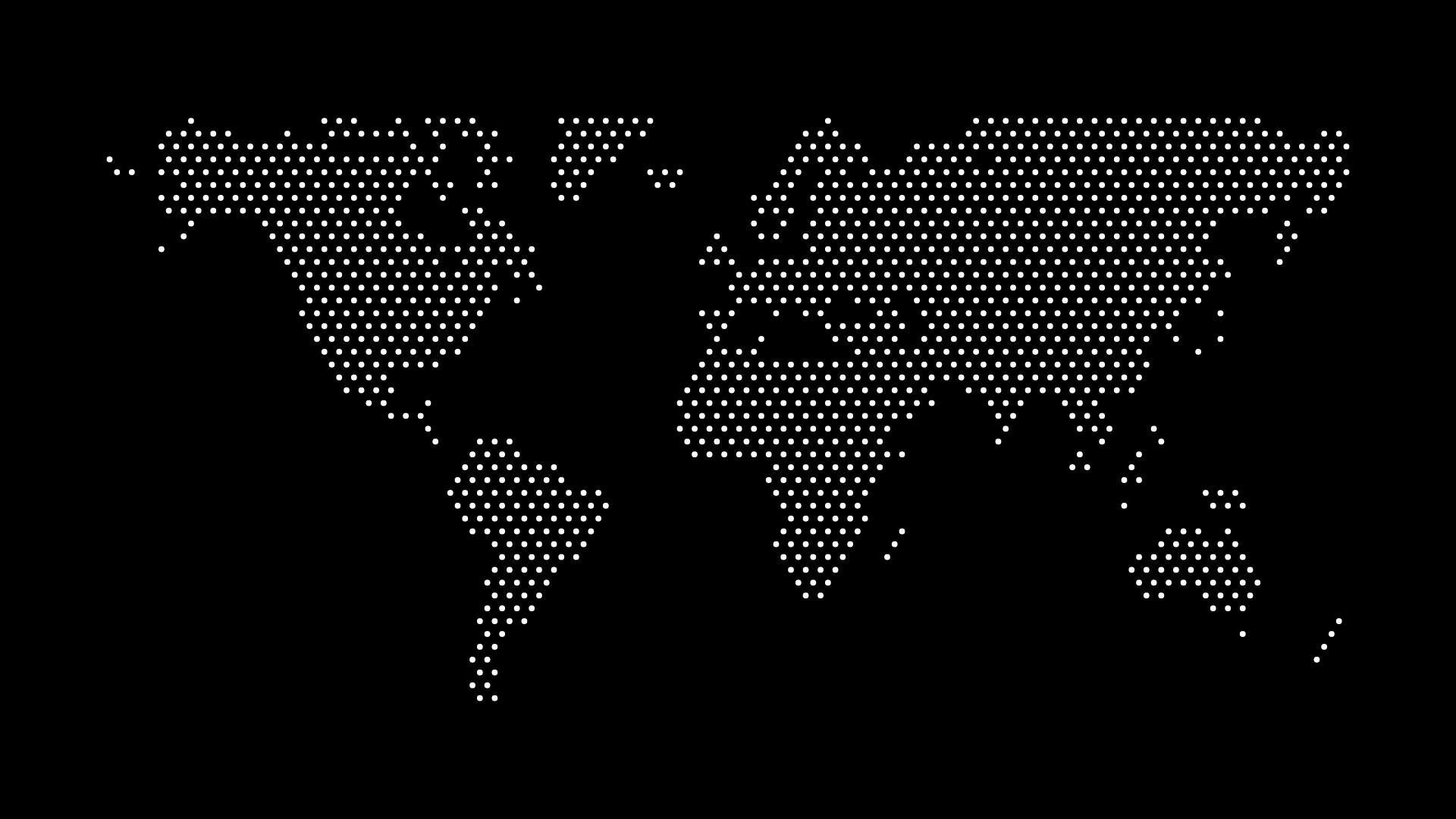
Map projections transform the curved surface of the Earth onto a flat plane. Understanding projections is important for digital designers because different projections affect how maps look and which ones work best for design applications.
In this guide, we'll explore map projections and their relevance to digital design.
What Are Map Projections?
Map projections are mathematical transformations that represent the Earth's curved surface on a flat map. Because the Earth is a sphere (or more accurately, an ellipsoid), any flat representation involves some distortion.
Key concepts:
- Distortion — All projections distort something
- Properties — Different projections preserve different properties
- Use cases — Some projections work better for specific purposes
- Design impact — Projections affect map appearance
Common Projection Types
Mercator Projection
Characteristics:
- Preserves angles and directions
- Exaggerates areas near poles
- Rectangular shape
- Common in web mapping
Design use:
- Web applications
- Navigation maps
- Familiar appearance
- Standard format
Limitations:
- Area distortion at high latitudes
- Not ideal for area comparisons
- Polar regions appear larger
Equal-Area Projections
Characteristics:
- Preserves area relationships
- Distorts shapes
- Good for area comparisons
- Various shapes available
Design use:
- Data visualization
- Area comparisons
- Statistical maps
- Regional analysis
Examples:
- Albers Equal-Area
- Mollweide
- Sinusoidal
Conformal Projections
Characteristics:
- Preserves angles
- Maintains local shapes
- Distorts areas
- Good for navigation
Design use:
- Detailed regional maps
- Navigation applications
- Shape-preserving needs
- Local area mapping
Compromise Projections
Characteristics:
- Balance multiple properties
- Moderate distortion
- Familiar appearance
- General-purpose use
Design use:
- General-purpose maps
- Educational materials
- Public-facing content
- Balanced appearance
Examples:
- Winkel Tripel
- Robinson
- Natural Earth
Projections for Digital Design
Web Design
Considerations:
- Familiar appearance — Users recognize common projections
- Rectangular format — Fits screen layouts
- Performance — Simple projections render faster
- Standard formats — Use established projections
Recommended: Mercator for web, compromise projections for general use
Data Visualization
Considerations:
- Area accuracy — For area-based data
- Shape preservation — For feature recognition
- Comparison needs — For regional comparisons
- Data requirements — Match projection to data type
Recommended: Equal-area for area data, conformal for shape data
Print Design
Considerations:
- Print format — Fits page dimensions
- Aesthetic appeal — Visually pleasing
- Familiar appearance — Recognizable to audience
- Detail preservation — Maintains important features
Recommended: Compromise projections, natural Earth
Branding and Identity
Considerations:
- Visual appeal — Aesthetically pleasing
- Recognizability — Familiar to audience
- Flexibility — Works in various contexts
- Consistency — Same projection throughout
Recommended: Compromise projections, stylized versions
Design Implications
Shape Distortion
Impact:
- Countries appear different shapes
- Familiar regions look unfamiliar
- Recognition affected
- Aesthetic impact
Considerations:
- Use familiar projections for recognition
- Consider audience expectations
- Balance accuracy and appearance
- Test recognition with users
Area Distortion
Impact:
- Regions appear wrong sizes
- Comparisons misleading
- Data visualization affected
- Perceptual issues
Considerations:
- Use equal-area for area data
- Consider distortion in design
- Inform viewers if needed
- Choose appropriate projection
Visual Balance
Impact:
- Map appearance affected
- Layout considerations
- Aesthetic appeal
- Design flexibility
Considerations:
- Choose visually balanced projections
- Consider layout needs
- Test appearance
- Balance multiple factors
Practical Guidelines
When Accuracy Matters
Use appropriate projections:
- Area data — Equal-area projections
- Shape data — Conformal projections
- Direction data — Mercator or conformal
- General use — Compromise projections
When Appearance Matters
Prioritize aesthetics:
- Branding — Visually appealing projections
- Marketing — Familiar, attractive projections
- Design — Aesthetically pleasing choices
- Public content — Recognizable projections
When Both Matter
Balance considerations:
- Data visualization — Balance accuracy and appearance
- Educational — Accurate but appealing
- Professional — Appropriate and attractive
- General purpose — Compromise solutions
Common Mistakes
Ignoring Projection
Problem: Using default projection without consideration
Solution: Understand projection impact and choose appropriately
Wrong Projection for Data
Problem: Using Mercator for area comparisons
Solution: Match projection to data type and use case
Inconsistent Projections
Problem: Different projections in same project
Solution: Use consistent projection throughout
Not Considering Audience
Problem: Unfamiliar projections confuse viewers
Solution: Consider audience expectations and familiarity
Tools and Resources
- World in Dots — Uses appropriate projections
- GIS software — Full projection control
- Design software — Projection options
- Reference materials — Projection guides
Best Practices
For Designers
- Understand basics — Know common projections
- Consider use case — Match projection to purpose
- Test appearance — Verify visual appeal
- Maintain consistency — Same projection throughout
- Consider audience — Use familiar projections
For Data Visualization
- Match data type — Choose appropriate projection
- Verify accuracy — Ensure projection fits data
- Consider distortion — Account for projection effects
- Test comparisons — Verify data representation
- Document choice — Explain projection selection
Final Thoughts
Map projections affect how maps look and function. While designers don't need to be projection experts, understanding basics helps make informed choices. For most design applications, compromise projections or familiar formats work well.
The key is matching projection to purpose — use accurate projections for data visualization and appealing projections for branding. When in doubt, choose familiar, visually balanced projections that work well for your specific application.
Ready to work with map projections? Understand your needs and choose projections that serve your design goals effectively.