Using Maps to Tell Your Brand Story
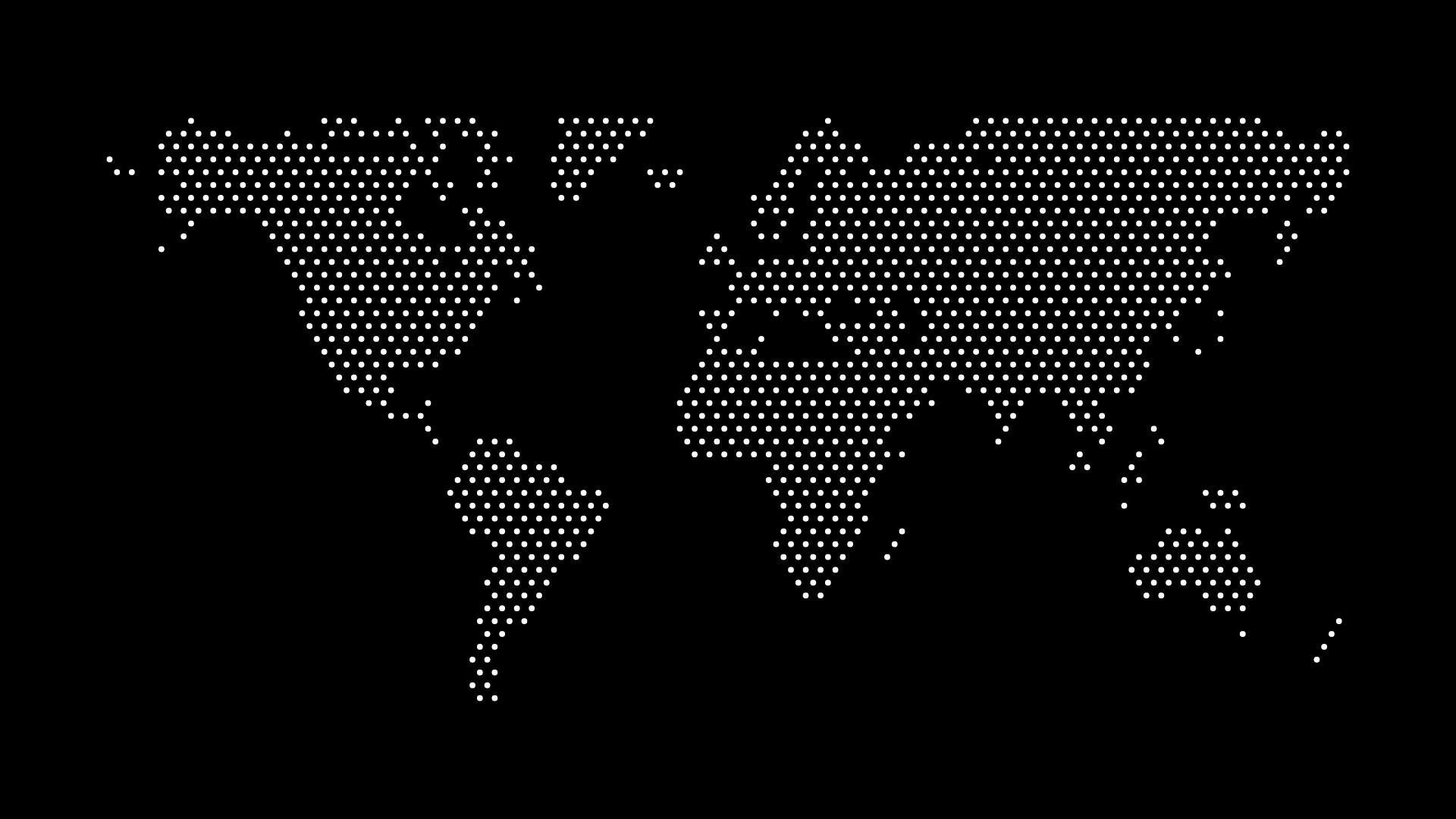
Maps are powerful storytelling tools in branding. They can communicate company origins, growth journeys, global reach, and values through visual narrative. When used strategically, maps become part of your brand identity, telling your story in ways words alone cannot.
In this guide, we'll explore how to use maps to tell your brand story effectively.
Why Maps Work for Brand Storytelling
Maps communicate brand narratives because they:
- Show journey — Visualize company growth and expansion
- Demonstrate reach — Illustrate global or local presence
- Connect emotionally — Geography resonates with people
- Differentiate — Unique map styles set brands apart
- Memorability — Visual stories stick in minds
Brand Story Elements Maps Can Tell
Origin Story
Where did your brand begin?
- Founding location — City or region of origin
- First customers — Initial market geography
- Early expansion — First new markets
- Humble beginnings — Start small, think big narrative
Example: A tech startup shows its garage origins in Silicon Valley, then expansion to global markets.
Growth Journey
How has your brand expanded?
- Timeline visualization — Growth over time
- Market entry — New regions entered
- Milestone locations — Key moments in geography
- Expansion narrative — From local to global
Example: A retail brand shows store openings chronologically, telling the expansion story.
Global Presence
Where does your brand operate?
- Current markets — Where you are now
- Customer locations — Where customers are
- Office network — Physical presence
- Service areas — Geographic coverage
Example: A SaaS company visualizes its global user base, showing worldwide adoption.
Values and Mission
What does your brand stand for?
- Sustainability focus — Regions with green initiatives
- Community impact — Areas of social contribution
- Innovation centers — R&D locations
- Partnership geography — Strategic alliances
Example: A company shows its commitment to renewable energy through maps of solar installations.
Map Styles for Brand Storytelling
Minimalist Dotted Maps
Perfect for modern brands:
- Clean aesthetic — Professional and contemporary
- Flexible — Works with any brand style
- Memorable — Distinctive dot patterns
- Versatile — Multiple applications
Best for: Tech companies, startups, modern brands
Detailed Regional Maps
Show local connection:
- City focus — Detailed urban maps
- Regional identity — Emphasize local roots
- Community maps — Neighborhood-level detail
- Cultural regions — Beyond political boundaries
Best for: Local businesses, regional brands, community-focused companies
Abstract Maps
Symbolic representation:
- Stylized shapes — Simplified geography
- Artistic interpretation — Creative map styles
- Brand integration — Maps match brand aesthetic
- Unique identity — Distinctive visual language
Best for: Creative agencies, design brands, artistic companies
Strategic Applications
Website About Page
Tell your story visually:
- Company journey — Timeline with maps
- Team locations — Where your people are
- Office locations — Physical presence
- Customer stories — Geographic customer base
Design Tip: Use maps as section backgrounds or focal points. Keep them simple so they support, not distract from, your story.
Brand Identity
Integrate maps into visual identity:
- Logo elements — Map shapes in logos
- Brand patterns — Map-based patterns
- Color palette — Geographic color inspiration
- Visual language — Consistent map styling
Design Tip: Ensure maps align with brand guidelines. Consistency is key.
Marketing Materials
Use maps in campaigns:
- Launch campaigns — "Now in X countries"
- Anniversary content — "10 years, 50 countries"
- Expansion announcements — "Coming to new markets"
- Customer spotlights — "Customers worldwide"
Design Tip: Make maps shareable for social media. Ensure they work at small sizes.
Investor Presentations
Show growth and potential:
- Market opportunity — Addressable markets
- Current presence — Where you operate
- Expansion plans — Target markets
- Competitive positioning — Geographic differentiation
Design Tip: Keep maps professional and data-driven. Support with statistics.
Design Best Practices
Consistency
Maintain visual consistency:
- Same style — Use consistent map style across all materials
- Color palette — Match brand colors
- Typography — Consistent with brand fonts
- Tone — Match brand personality
Clarity
Ensure clear communication:
- Simple design — Don't overwhelm with detail
- Clear labels — Readable location names
- Focused message — One story per map
- Appropriate detail — Right level of information
Authenticity
Be honest and transparent:
- Accurate data — Verify all geographic information
- Current information — Update maps regularly
- Realistic representation — Don't overstate presence
- Genuine story — Authentic brand narrative
Emotional Connection
Create meaningful visuals:
- Personal touch — Show human side of brand
- Journey emphasis — Growth and progress
- Community focus — Local connections
- Values integration — Align with brand values
Common Brand Stories
From Local to Global
The expansion narrative:
- Start local — Show origins
- Show growth — Expansion timeline
- Current reach — Where you are now
- Future vision — Where you're going
Community Focus
Local connection story:
- Neighborhood maps — Community-level detail
- Local partnerships — Regional collaborations
- Community impact — Areas of contribution
- Local identity — Regional brand connection
Innovation Journey
Technology and innovation:
- Innovation hubs — Where innovation happens
- R&D locations — Research centers
- Tech partnerships — Collaboration geography
- Future markets — Innovation expansion
Sustainability Commitment
Environmental values:
- Green initiatives — Sustainability projects
- Renewable energy — Clean energy locations
- Carbon footprint — Environmental impact geography
- Sustainable sourcing — Responsible supply chains
Tools and Resources
- World in Dots — Generate branded maps
- Design software — Customize to match brand
- Brand guidelines — Ensure consistency
- Story templates — Map-based narrative structures
Creating Your Brand Map Story
Step 1: Define Your Story
What story are you telling?
- Key message — What's the main point?
- Target audience — Who needs to hear it?
- Emotional goal — What feeling do you want?
- Call to action — What should viewers do?
Step 2: Choose Map Style
Select appropriate visualization:
- Match brand — Style aligns with identity
- Support story — Map enhances narrative
- Consider context — Where will it be used?
- Think audience — What will resonate?
Step 3: Gather Content
Collect supporting information:
- Geographic data — Locations and regions
- Timeline information — Dates and milestones
- Statistics — Numbers that support story
- Visual assets — Photos, icons, graphics
Step 4: Design and Create
Build your visualization:
- Generate base map — Start with clean geography
- Apply branding — Match brand colors and style
- Add narrative elements — Timeline, annotations, data
- Refine design — Polish until perfect
Step 5: Integrate and Share
Deploy your story:
- Website integration — Add to site
- Marketing materials — Use in campaigns
- Social media — Share on platforms
- Presentations — Include in decks
Final Thoughts
Maps are powerful tools for brand storytelling. They can communicate origins, growth, values, and vision in ways that resonate with audiences. When used strategically, maps become part of your brand identity, telling your story visually and memorably.
The key is authenticity — tell your real story, use accurate data, and create maps that genuinely represent your brand. A well-designed map story builds connection, demonstrates values, and differentiates your brand.
Ready to tell your brand story with maps? Generate custom maps that communicate your unique narrative effectively.