Vector Maps vs Raster Maps Explained
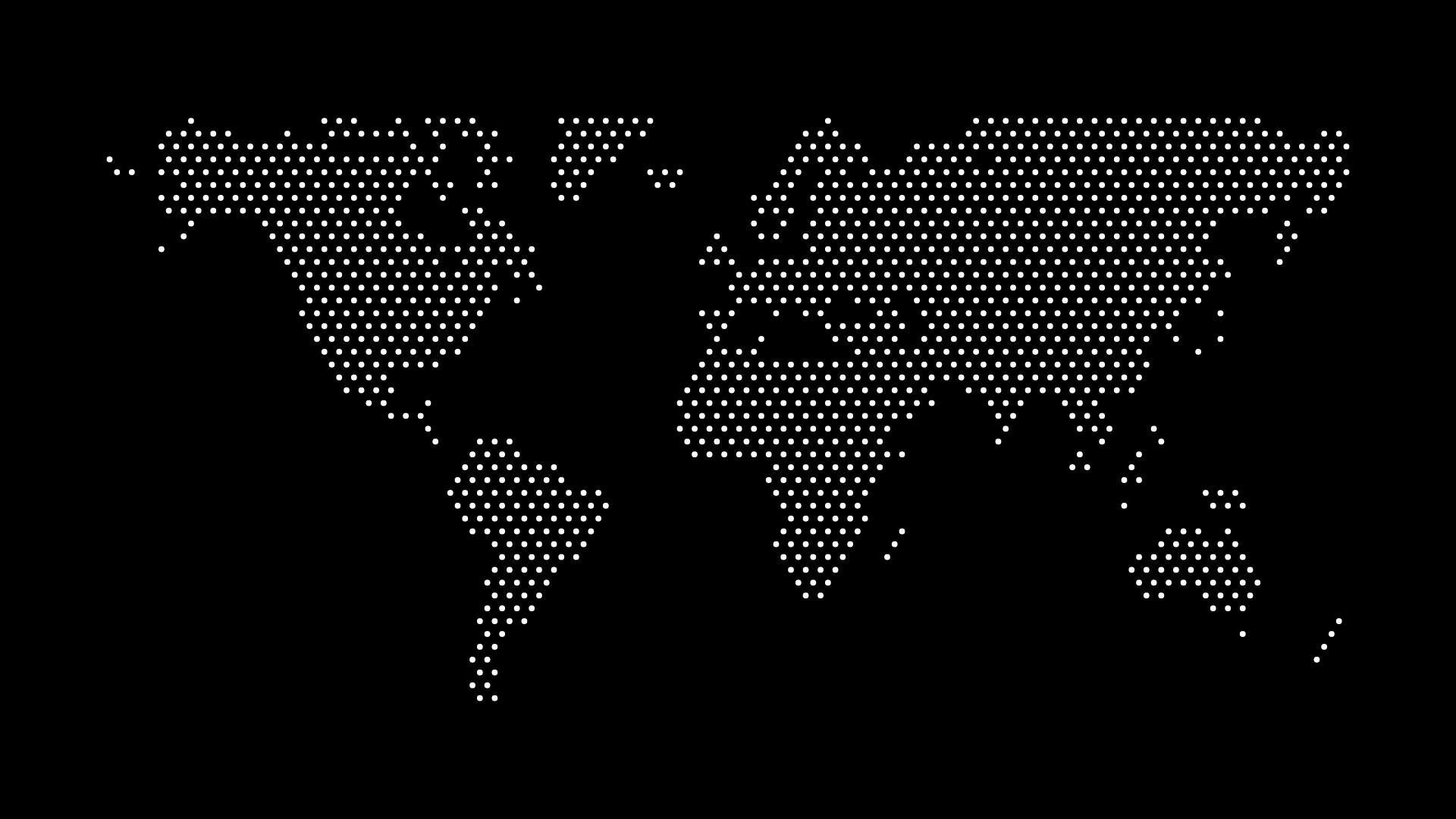
Understanding the difference between vector maps and raster maps is fundamental to choosing the right map format for your project. These two approaches represent geographic data in fundamentally different ways, each with distinct advantages and use cases.
In this guide, we'll explain vector and raster maps, their characteristics, and when to use each.
What Are Vector Maps?
Vector maps represent geographic features using mathematical descriptions of shapes. They store data as points, lines, and polygons defined by coordinates and mathematical formulas.
How they work:
- Points — defined by x,y coordinates
- Lines — defined by series of points
- Polygons — defined by closed paths
- Attributes — data attached to features
File formats: SVG, PDF, AI, EPS, GeoJSON
What Are Raster Maps?
Raster maps represent geographic features as a grid of pixels. Each pixel has a color value, and the combination of pixels creates the map image.
How they work:
- Pixel grid — fixed rows and columns
- Color values — each pixel has color data
- Resolution — pixels per unit area
- Fixed size — specific dimensions
File formats: PNG, JPG, TIFF, GeoTIFF
Key Differences
Data Representation
Vector Maps:
- Mathematical — shapes defined by formulas
- Discrete features — individual geographic objects
- Attribute data — information attached to features
- Topology — relationships between features
Raster Maps:
- Pixel-based — grid of colored squares
- Continuous data — smooth color transitions
- Cell values — data stored per pixel
- Surface representation — good for continuous phenomena
Scalability
Vector Maps:
- Infinite scaling — no quality loss
- Resolution independent — crisp at any size
- Mathematical precision — exact representation
- Zoom capability — detail at any level
Raster Maps:
- Fixed resolution — designed for specific size
- Pixelation — quality degrades when enlarged
- Resolution dependent — quality matches pixels
- Zoom limitations — detail limited by resolution
File Size
Vector Maps:
- Often smaller — especially for simple maps
- Efficient — mathematical descriptions are compact
- Scalable efficiency — one file for all sizes
- Complexity matters — more features = larger files
Raster Maps:
- Size = resolution — higher resolution = larger file
- Can be large — especially high-resolution images
- Fixed efficiency — file size doesn't change with use
- Compression — can reduce size with some quality loss
Editability
Vector Maps:
- Fully editable — modify individual features
- Style changes — easy color and style modifications
- Feature editing — add, remove, modify features
- Attribute editing — change associated data
Raster Maps:
- Pixel editing — modify individual pixels
- Limited modification — harder to change features
- Image editing — requires raster graphics software
- No feature editing — can't edit geographic features directly
When to Use Vector Maps
Best For:
Design and Branding:
- Logos and identity
- Infographics
- Presentations
- Marketing materials
Web Applications:
- Interactive maps
- Responsive design
- Scalable graphics
- Performance-critical applications
Precise Cartography:
- Detailed boundaries
- Accurate measurements
- Feature editing
- Data analysis
Print Materials:
- Scalable for any size
- High-quality output
- Professional printing
- Multiple sizes from one file
Examples:
- Website map backgrounds
- Brand logos with maps
- Interactive dashboards
- Print posters and reports
When to Use Raster Maps
Best For:
Photographic Content:
- Satellite imagery
- Aerial photographs
- Scanned maps
- Texture-rich visuals
Continuous Data:
- Elevation data
- Temperature maps
- Precipitation patterns
- Surface phenomena
Complex Visualizations:
- Detailed terrain
- Photorealistic rendering
- Complex textures
- Artistic effects
Fixed-Size Applications:
- Social media graphics
- Email images
- Specific print sizes
- Platform requirements
Examples:
- Satellite map backgrounds
- Terrain visualizations
- Scanned historical maps
- Social media posts
Technical Characteristics
Vector Map Advantages
- Scalability — perfect at any size
- Editability — easy to modify
- File efficiency — often smaller files
- Precision — mathematically accurate
- Style flexibility — easy customization
- Interactive capability — supports interactions
- Data integration — can attach attributes
Vector Map Disadvantages
- Complexity limits — very complex maps can be large
- Continuous data — not ideal for smooth surfaces
- Rendering — requires processing to display
- Learning curve — need to understand structure
Raster Map Advantages
- Photographic quality — realistic appearance
- Continuous data — excellent for surfaces
- Simple structure — easy to understand
- Universal support — works everywhere
- Fast display — direct pixel rendering
- Complex visuals — handles detailed imagery
Raster Map Disadvantages
- Fixed resolution — quality tied to pixels
- File size — can be very large
- Limited scalability — pixelation when enlarged
- Editability — harder to modify features
- No attributes — can't attach data easily
Hybrid Approaches
Combining Both
Many applications use both:
- Vector base — geographic features as vectors
- Raster overlay — imagery as raster background
- Layered approach — best of both worlds
- Selective use — vectors for features, raster for imagery
Example: A map with vector country boundaries overlaid on raster satellite imagery.
Conversion Considerations
Vector to Raster
Process: Rendering or exporting
- Rasterization — convert to pixels
- Resolution choice — select output resolution
- Quality — match intended use
- File format — choose appropriate format
When needed:
- Compatibility requirements
- Specific platform needs
- Print at fixed size
- Legacy system support
Raster to Vector
Process: Tracing or conversion
- Vectorization — convert pixels to shapes
- Manual tracing — often required
- Quality depends — on source image quality
- Complexity — can be time-consuming
When possible:
- Simple, high-contrast images
- Worth the effort
- Need for scalability
- Editability required
Practical Applications
Web Design
Vector preferred:
- Responsive layouts
- Scalable graphics
- Performance optimization
- Interactive features
Print Design
Both useful:
- Vector for scalable elements
- Raster for photographic content
- High-resolution raster for fixed sizes
- Vector for multiple output sizes
Data Visualization
Vector preferred:
- Feature-based data
- Interactive exploration
- Style customization
- Attribute integration
Geographic Analysis
Vector preferred:
- Feature editing
- Spatial analysis
- Data integration
- Measurement accuracy
Tools and Resources
- World in Dots — Generate vector maps
- GIS software — Work with both types
- Design software — Create and edit both
- Conversion tools — Convert between formats
Best Practices
Vector Map Best Practices
- Optimize complexity — simplify when possible
- Use appropriate detail — match use case
- Organize layers — logical structure
- Optimize file size — remove unnecessary elements
- Test scalability — verify at intended sizes
Raster Map Best Practices
- Right resolution — match intended use
- Optimize file size — balance quality and size
- Choose format — PNG for quality, JPG for size
- Consider compression — balance quality and file size
- Multiple sizes — create different resolutions
Final Thoughts
Vector and raster maps serve different purposes and excel in different applications. Vector maps are ideal for scalable graphics, precise features, and interactive applications. Raster maps are ideal for photographic content, continuous data, and fixed-size applications.
Understanding these differences helps you choose the right format for your specific needs. Often, the best solution combines both — using vectors for features and rasters for imagery or backgrounds.
Ready to choose the right map type? Consider your use case, requirements, and goals to select the format that best serves your project.