When to Use Abstract Maps Instead of Realistic Ones
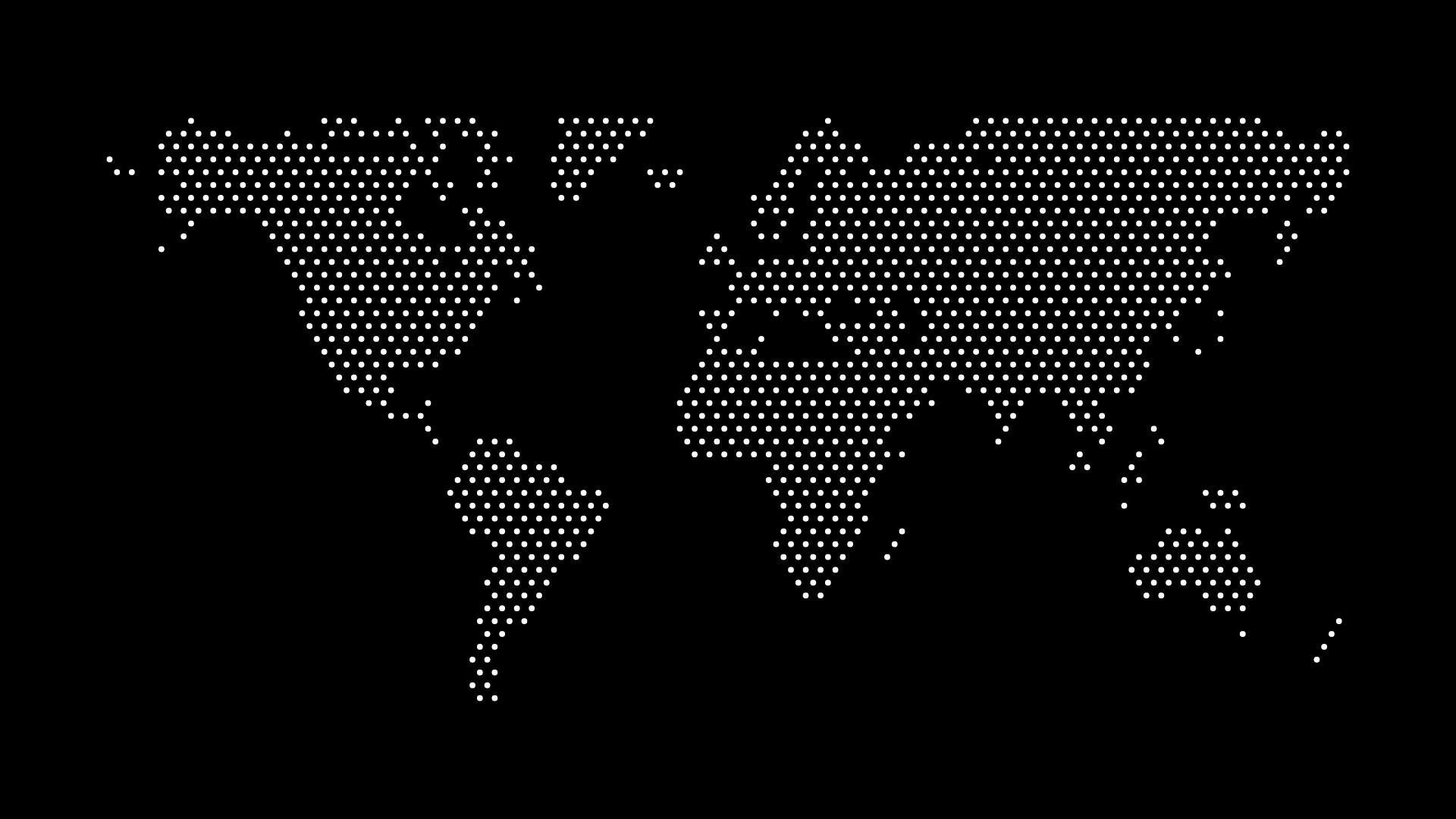
Abstract maps use simplified, stylized representations instead of realistic geographic detail. Understanding when abstract maps are more effective helps you choose the right style for your project.
In this guide, we'll explore when to use abstract maps instead of realistic ones.
What Are Abstract Maps?
Abstract maps feature:
- Simplified shapes — Reduced geographic detail
- Stylized representation — Artistic interpretation
- Design focus — Aesthetics over accuracy
- Symbolic elements — Represent rather than replicate
Characteristics: Clean, modern, design-oriented, minimalist
When Abstract Maps Work Better
Brand Identity
Why abstract:
- Matches brand aesthetic
- Consistent visual language
- Unique appearance
- Design flexibility
Best for: Logos, brand materials, identity systems
Minimalist Design
Why abstract:
- Clean, uncluttered
- Modern aesthetic
- Focus on essentials
- Visual simplicity
Best for: Modern brands, contemporary design, minimalist projects
Decorative Purposes
Why abstract:
- Visual appeal
- Design element
- Aesthetic function
- Stylistic choice
Best for: Backgrounds, decorative elements, artistic projects
Data Visualization
Why abstract:
- Doesn't compete with data
- Clean backgrounds
- Focus on information
- Visual support
Best for: Infographics, dashboards, data presentations
When Realistic Maps Are Better
Navigation
Why realistic:
- Accurate geography needed
- Practical use
- Detailed information
- Functional purpose
Best for: Navigation, wayfinding, practical maps
Educational Content
Why realistic:
- Teaching geography
- Accurate representation
- Educational accuracy
- Learning tool
Best for: Education, geography lessons, teaching materials
Detailed Analysis
Why realistic:
- Geographic accuracy important
- Detailed information needed
- Analysis requirements
- Precision needed
Best for: Geographic analysis, detailed studies, research
Design Considerations
Audience Expectations
Consider:
- What audience expects
- Context of use
- Purpose of map
- User needs
Design Goals
Goals:
- Brand alignment
- Visual appeal
- Information clarity
- Aesthetic consistency
Use Case
Match to use:
- Decorative → Abstract
- Functional → Realistic
- Branding → Abstract
- Navigation → Realistic
Tools and Resources
- World in Dots — Generate abstract maps
- Design software — Customize styling
- Style guides — Design references
- Design inspiration — Examples
Final Thoughts
Abstract maps excel when design, branding, or visual appeal are priorities. Realistic maps are better when accuracy, navigation, or detailed information are needed.
The key is matching map style to your project's goals and audience expectations. Abstract maps provide design flexibility, while realistic maps offer geographic accuracy.
Ready to choose your map style? Consider your goals and select abstract or realistic maps accordingly.