When to Use Filled Regions vs Dot Patterns
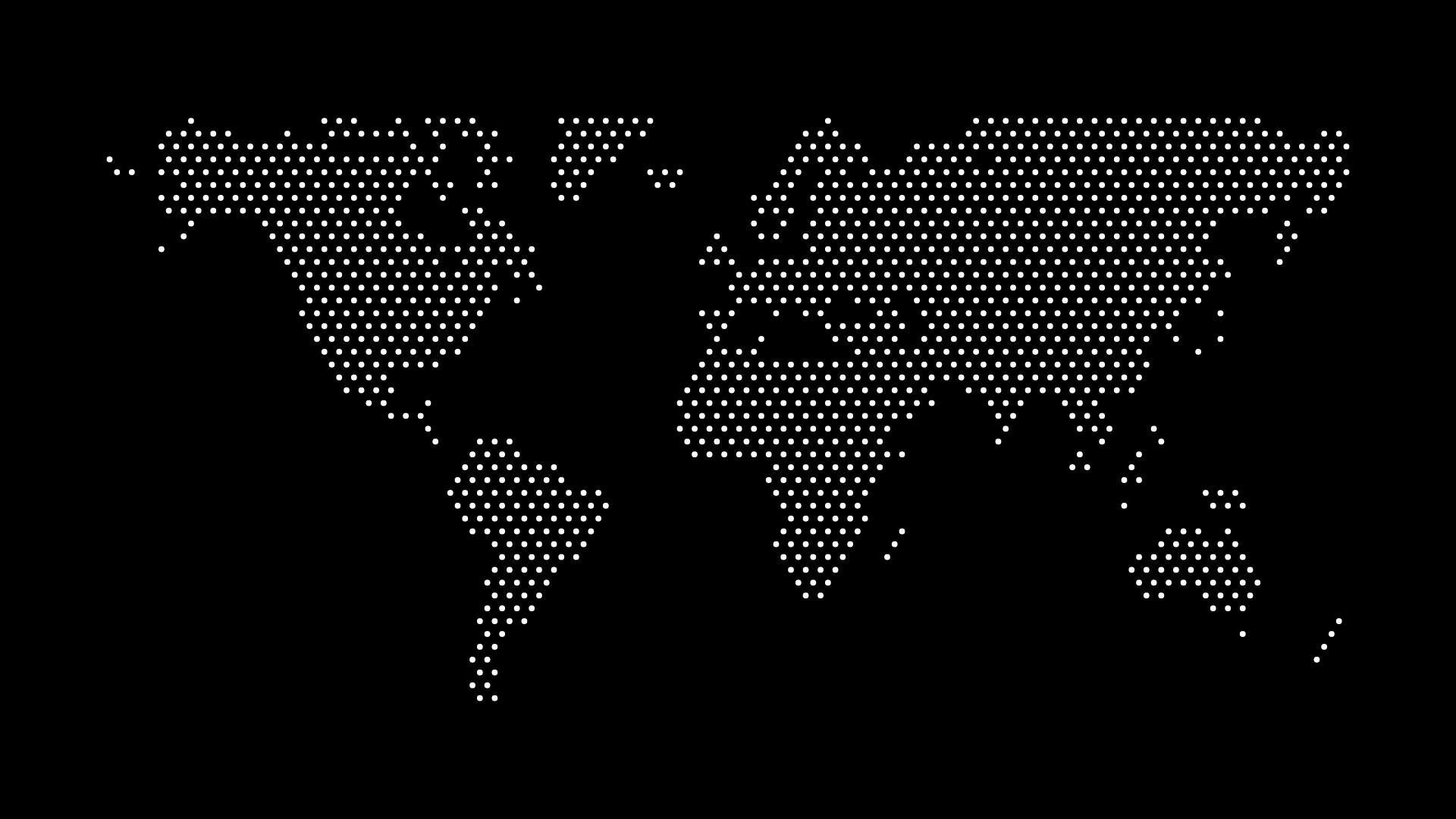
Choosing between filled regions and dot patterns is a fundamental design decision in map creation. Each approach has distinct visual characteristics and use cases that make it suitable for different purposes. Understanding when to use each helps create effective, appropriate map visualizations.
In this guide, we'll explore when to use filled regions versus dot patterns and how to make the right choice for your project.
What Are Filled Regions?
Filled regions use solid color fills to represent geographic areas. Countries, states, or regions are filled with colors, creating clear, defined areas with strong visual presence.
Characteristics:
- Solid color fills
- Clear boundaries
- High visual weight
- Strong contrast
- Defined areas
What Are Dot Patterns?
Dot patterns use arrangements of dots to represent geographic features. Dots create shapes through patterns that form boundaries and suggest regions.
Characteristics:
- Dot arrangements
- Implied boundaries
- Light visual weight
- Subtle contrast
- Pattern-based shapes
Key Differences
Visual Weight
Filled Regions:
- Heavy visual weight — Dominates layout
- Strong presence — Commands attention
- Bold appearance — Powerful visual impact
- High contrast — Strong definition
Dot Patterns:
- Light visual weight — Doesn't dominate
- Subtle presence — Gentle attention
- Soft appearance — Softer visual impact
- Low contrast — Subtle definition
Data Representation
Filled Regions:
- Direct mapping — Colors represent values
- Clear comparison — Easy to compare regions
- Quantitative data — Numbers mapped to colors
- Data-focused — Emphasizes information
Dot Patterns:
- Pattern representation — Dots create shapes
- Less data-specific — More decorative
- Qualitative emphasis — Style over data
- Design-focused — Emphasizes aesthetics
When to Use Filled Regions
Data Visualization
Best For:
- Quantitative data mapping
- Statistical comparisons
- Regional data analysis
- Value representation
Examples:
- Population density maps
- Election results
- Economic indicators
- Survey data visualization
Requirements:
- Quantitative data by region
- Need for clear comparison
- Data visualization priority
- Statistical representation
High Contrast Needs
Best For:
- Clear regional distinction
- Strong visual separation
- High visibility requirements
- Bold presentation
Examples:
- Political boundaries
- Service area maps
- Coverage visualizations
- Regional divisions
Requirements:
- Clear boundaries needed
- High contrast desired
- Strong visual impact
- Obvious distinctions
When to Use Dot Patterns
Design Applications
Best For:
- Brand identity
- Marketing materials
- Decorative purposes
- Visual enhancement
Examples:
- Brand logos
- Website backgrounds
- Presentation slides
- Social media graphics
Requirements:
- Design-focused applications
- Modern aesthetic desired
- Flexible styling needed
- Creative applications
Text Overlay Support
Best For:
- Content with text overlay
- Information graphics
- Infographic backgrounds
- Presentation support
Examples:
- Infographic backgrounds
- Presentation slides
- Website headers
- Marketing materials
Requirements:
- Text overlay needed
- Background element
- Supporting content
- Non-competing visual
Design Considerations
Color Usage
Filled Regions:
- Region colors — Each region has color
- Color mapping — Colors represent data
- High saturation — Strong colors work
- Limited palette — Fewer colors needed
Dot Patterns:
- Pattern color — Overall pattern color
- Subtle colors — Softer colors work
- Flexible palette — More color options
- Brand colors — Easy to match brand
Readability
Filled Regions:
- High readability — Clear boundaries
- Text overlay — Can compete with text
- Label placement — Requires careful placement
- Clear structure — Obvious organization
Dot Patterns:
- Variable readability — Depends on density
- Text-friendly — Doesn't compete
- Easy labeling — Text fits naturally
- Subtle structure — Less obvious
Visual Hierarchy
Filled Regions:
- Dominant element — Takes focus
- Primary content — Main visual element
- Strong presence — Commands attention
- Data emphasis — Highlights information
Dot Patterns:
- Supporting element — Background role
- Secondary content — Supporting visual
- Subtle presence — Gentle attention
- Design emphasis — Highlights aesthetics
Hybrid Approaches
Combining Both
You can combine approaches:
- Filled base — Solid region fills
- Dot overlay — Dot patterns on top
- Selective use — Different for different elements
- Layered approach — Multiple techniques
Example: Filled regions for data with dot patterns for decorative elements or background.
Technical Considerations
File Size
Filled Regions:
- Can be smaller — Simple fills
- Vector efficiency — Clean paths
- Good compression — Compresses well
- Performance — Generally good
Dot Patterns:
- Can be larger — Many dots
- Pattern complexity — More elements
- Compression — Patterns compress well
- Performance — Generally good
Rendering
Filled Regions:
- Fast rendering — Simple fills
- Clear rendering — Sharp boundaries
- Consistent — Uniform appearance
- Reliable — Predictable output
Dot Patterns:
- Variable rendering — Depends on complexity
- Pattern rendering — Dot patterns
- Consistent — Uniform patterns
- Reliable — Predictable patterns
Decision Framework
Choose Filled Regions When:
- ✅ Quantitative data visualization
- ✅ Clear regional comparison needed
- ✅ High contrast desired
- ✅ Data-focused application
- ✅ Statistical representation
Choose Dot Patterns When:
- ✅ Design-focused application
- ✅ Text overlay needed
- ✅ Modern aesthetic desired
- ✅ Background element
- ✅ Decorative purposes
Final Thoughts
Choosing between filled regions and dot patterns depends on your data, design goals, and use case. Filled regions excel at data visualization and clear regional representation. Dot patterns excel at design applications and supporting content with text overlay.
Consider your primary goal: data communication favors filled regions, while design and content support favor dot patterns. Understanding these differences helps you create effective, appropriate map visualizations.
Ready to choose your approach? Consider your goals and select the visualization method that best serves your project.