Why Dotted Maps Work Better Than Filled Maps for Infographics
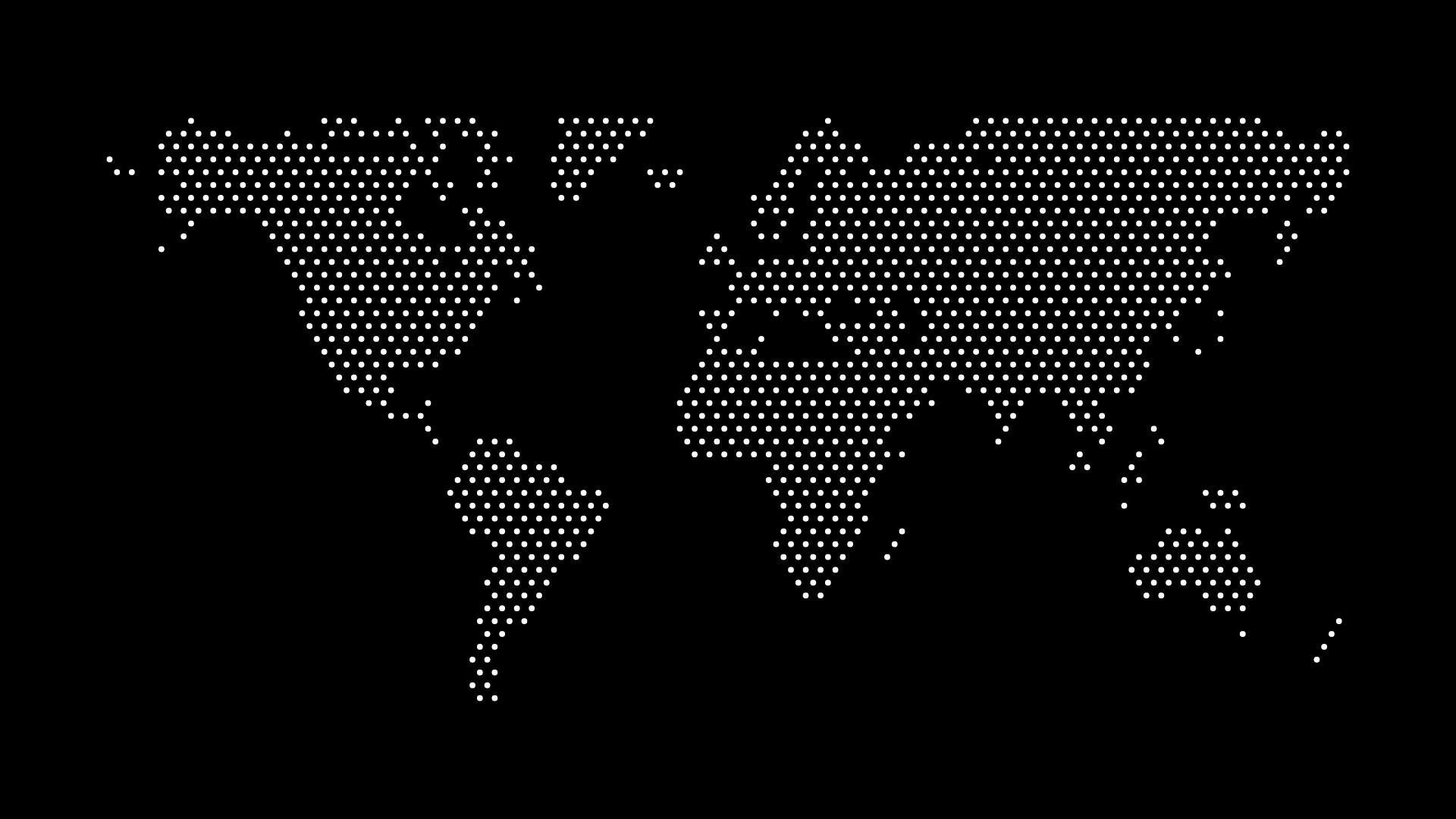
When creating infographics, choosing the right map style is crucial. While filled maps (choropleth maps) have their place, dotted maps often work better for infographic design. Here's why dotted maps excel in infographic applications.
The Infographic Challenge
Infographics need to:
- Communicate quickly — Viewers scan, not study
- Support data — Maps complement charts and statistics
- Maintain readability — Text and numbers must be clear
- Look professional — Design quality matters
- Work across media — Print, web, and social
Dotted maps address these needs better than filled maps.
Advantages of Dotted Maps
Better Text Overlay
Dotted maps provide ideal backgrounds for text:
- Readable text — Dots don't compete with words
- Flexible placement — Text fits between dots
- High contrast — White space ensures legibility
- Professional appearance — Clean, modern look
Filled maps problem: Solid colors make text hard to read, requiring text boxes or shadows that add clutter.
Cleaner Data Integration
Dotted maps work better with data overlays:
- Chart placement — Charts overlay cleanly
- Number visibility — Statistics remain readable
- Icon integration — Icons don't get lost
- Visual hierarchy — Data stands out clearly
Filled maps problem: Color-filled regions compete with data visualizations, creating visual conflict.
Design Flexibility
Dotted maps adapt to any design:
- Color matching — Easy to match brand colors
- Style consistency — Works with any aesthetic
- Size adaptation — Scales without losing clarity
- Format versatility — Works in any layout
Filled maps problem: Color choices are limited. Too many colors create confusion; too few reduces differentiation.
Reduced Visual Weight
Dotted maps are visually lighter:
- Less overwhelming — Don't dominate the design
- Better balance — Complement other elements
- Easier scanning — Viewers process quickly
- Modern aesthetic — Contemporary, clean look
Filled maps problem: Solid colors create heavy visual weight that can overwhelm infographic layouts.
Specific Infographic Applications
Statistical Infographics
Dotted maps excel with statistics:
- Number placement — Statistics overlay clearly
- Comparison clarity — Easy to compare regions
- Legend simplicity — Simple dot patterns
- Data focus — Numbers are the star
Example: Population statistics by country work better with dotted maps — numbers are readable, and the map doesn't compete.
Timeline Infographics
Dotted maps support timelines:
- Event markers — Dots can mark specific events
- Route visualization — Show progression
- Change over time — Dots can animate or change
- Narrative flow — Support storytelling
Example: A company's expansion timeline — dots mark new locations, and the map supports the narrative without overwhelming.
Comparison Infographics
Dotted maps facilitate comparisons:
- Side-by-side — Multiple maps don't clash
- Before/after — Clear visual differences
- Regional comparison — Easy to compare areas
- Metric comparison — Data stands out
Example: Comparing sales by region — dotted maps allow clear number placement and easy comparison.
Educational Infographics
Dotted maps work for education:
- Label clarity — Country names readable
- Focus areas — Highlight specific regions
- Minimal distraction — Students focus on content
- Print friendly — Works in black and white
Example: Teaching geography — dotted maps provide context without overwhelming educational content.
Design Considerations
Color Usage
Dotted maps use color efficiently:
- Accent colors — Use color strategically
- Brand alignment — Match infographic palette
- Data emphasis — Color highlights important information
- Accessibility — Easier to ensure contrast
Filled maps: Require color for every region, making color management complex.
Typography Integration
Text works better with dotted maps:
- Font flexibility — Any font style works
- Size options — Text can be large or small
- Placement freedom — Text fits naturally
- Readability — High contrast ensures clarity
Filled maps: Text requires careful placement and often needs backgrounds or shadows.
Icon and Graphic Integration
Other graphics integrate seamlessly:
- Icons overlay — Don't get lost in patterns
- Chart placement — Charts sit cleanly
- Illustration support — Maps complement drawings
- Photo integration — Photos work with dotted backgrounds
Filled maps: Solid colors can clash with other graphics or make them hard to see.
Performance Benefits
File Size
Dotted maps are often smaller:
- Vector efficiency — Dots are simple shapes
- Compression friendly — Patterns compress well
- Fast loading — Quick to render
- Mobile optimized — Work well on phones
Filled maps: Complex paths and gradients can create larger files.
Scalability
Dotted maps scale perfectly:
- Any size — From icons to billboards
- Print quality — High resolution maintained
- Web optimization — SVG scales smoothly
- Consistent appearance — Looks good everywhere
Filled maps: Can show pixelation or rendering issues at extreme sizes.
When Filled Maps Work Better
Filled maps excel when:
- Color coding data — Data values mapped to colors
- Regional comparison — Comparing filled regions
- Heat mapping — Showing intensity or density
- Political boundaries — Emphasizing country/state borders
Key point: Choose the map type that best serves your specific infographic goal.
Best Practices for Dotted Maps in Infographics
Dot Density
- Appropriate density — Enough dots to be recognizable
- Not too dense — Avoid visual clutter
- Consistent spacing — Regular patterns work best
- Size consideration — Dots visible at infographic size
Color Strategy
- Limited palette — One or two colors usually best
- Brand alignment — Match infographic colors
- Contrast — Ensure readability
- Purposeful color — Use color to highlight, not decorate
Integration
- Support content — Maps support, don't dominate
- Balance elements — Equal visual weight with other parts
- White space — Let the map breathe
- Consistent style — Match overall infographic aesthetic
Tools and Resources
- World in Dots — Generate dotted maps for infographics
- Design software — Customize and integrate
- Infographic templates — Start with proven layouts
- Data visualization tools — Overlay statistics
Final Thoughts
Dotted maps offer significant advantages for infographic design. Their clean, flexible nature makes them ideal for supporting data, text, and other visual elements without creating visual conflict.
While filled maps have their place, dotted maps excel in most infographic applications because they prioritize readability, flexibility, and design harmony. They let your data and content shine while providing essential geographic context.
Ready to create better infographics? Generate dotted maps that enhance rather than compete with your content.