Why Minimalist Maps Are Taking Over Modern Design
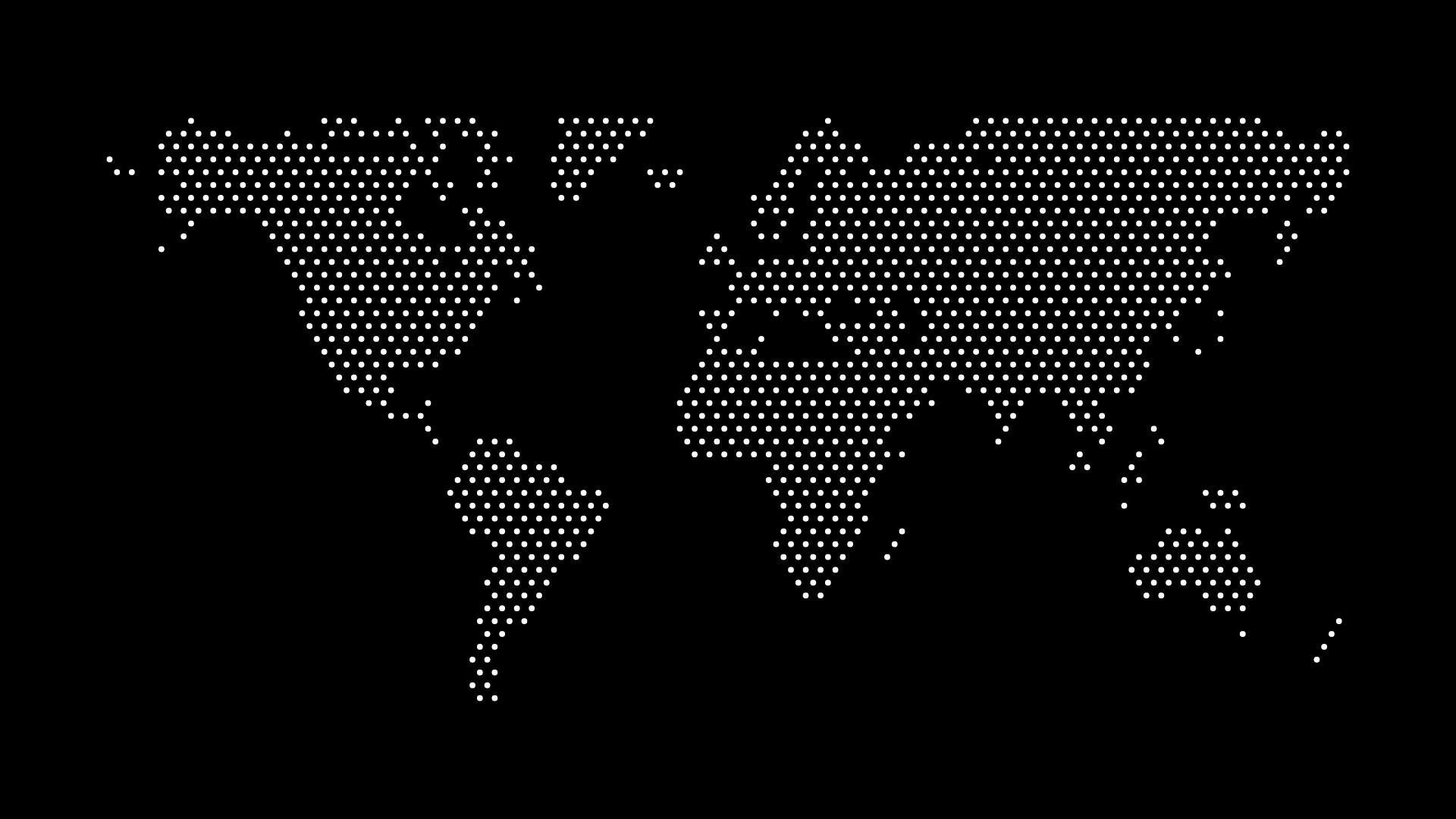
Minimalist maps — particularly dotted and outline styles — have become ubiquitous in modern design. From tech startups to luxury brands, these simplified geographic visualizations are replacing complex, detailed maps across industries.
But why? What's driving this shift toward minimalism in map design, and what makes these maps so effective?
The Rise of Minimalist Design
Minimalism has been a design movement for decades, but it's reached new heights in the digital age:
- Digital-first thinking — Clean designs work better on screens
- Information overload — Simplicity cuts through noise
- Mobile optimization — Simple maps load faster and display better
- Global aesthetics — Universal appeal across cultures
- Brand differentiation — Stand out with clean, modern visuals
Why Minimalist Maps Work
Cognitive Load Reduction
Complex maps with borders, labels, and multiple colors require mental processing. Minimalist maps reduce cognitive load:
- Faster comprehension — Viewers understand instantly
- Less distraction — Focus stays on the message
- Better retention — Simple visuals are more memorable
- Universal understanding — Works across languages
Visual Hierarchy
Minimalist maps create clear visual hierarchy:
- Emphasis through simplicity — Important elements stand out
- Selective detail — Only show what matters
- Clean backgrounds — Text and data overlay easily
- Flexible styling — Adapts to any brand aesthetic
Modern Aesthetic
Minimalist maps align with contemporary design trends:
- Flat design — No shadows, gradients, or 3D effects
- Bold typography — Text becomes the focal point
- White space — Breathing room for content
- Geometric patterns — Dots and lines create rhythm
The Psychology Behind Minimalism
Less is More
Research in design psychology shows that:
- Simplicity increases trust — Clean designs feel more professional
- Reduced choices — Fewer elements mean faster decisions
- Aesthetic pleasure — Humans find beauty in simplicity
- Focus enhancement — Less clutter improves attention
Cultural Shifts
Modern audiences prefer:
- Authenticity — Simple designs feel more genuine
- Efficiency — Get information quickly
- Elegance — Understated sophistication
- Clarity — No ambiguity or confusion
Practical Benefits
Performance
Minimalist maps offer technical advantages:
- Smaller file sizes — Faster loading times
- Better scalability — Vector graphics scale perfectly
- Mobile friendly — Display clearly on small screens
- Accessibility — Easier for screen readers
Versatility
Simple maps work across contexts:
- Multiple applications — Same map for web, print, presentations
- Easy customization — Change colors and styles quickly
- Brand adaptation — Match any color scheme
- Cross-platform — Consistent appearance everywhere
Cost Effectiveness
Minimalist maps are economical:
- Faster creation — Less detail means quicker design
- Easier updates — Simple changes don't require redesign
- Reusable assets — One map works for many projects
- Lower production costs — Simpler printing and rendering
Industry Adoption
Technology Companies
Tech companies led the minimalist map trend:
- Apple — Clean, simple map designs in marketing
- Google — Simplified map styles in interfaces
- Startups — Minimalist maps in pitch decks and websites
- SaaS platforms — Maps showing global user base
Travel and Hospitality
The travel industry embraced minimalism:
- Hotel chains — Location maps in branding
- Travel agencies — Destination visualizations
- Tourism boards — Clean, inviting map graphics
- Travel blogs — Minimalist maps in content
Corporate and Finance
Businesses use minimalist maps professionally:
- Annual reports — Global presence visualizations
- Investor presentations — Market coverage maps
- Corporate websites — Office location graphics
- Financial services — Service area maps
Design Trends Driving Minimalism
Flat Design 2.0
The evolution of flat design:
- Removed depth — No shadows or gradients
- Bold colors — Vibrant but simple palettes
- Geometric shapes — Circles, dots, and lines
- Clean typography — Sans-serif fonts dominate
Data Visualization
Modern data viz prefers simplicity:
- Clear communication — Maps support data, don't compete
- Color coding — Simple color schemes for categories
- Selective detail — Only show relevant information
- Interactive elements — Hover and click reveal details
Brand Identity
Companies want distinctive but simple:
- Memorable — Unique but not complex
- Scalable — Works at any size
- Timeless — Won't look dated quickly
- Versatile — Adapts to different contexts
The Future of Map Design
Continued Simplification
Trends point toward even more minimalism:
- Abstract representations — Maps become more symbolic
- Pattern-based — Dots and lines replace detailed borders
- Color minimalism — Monochrome or limited palettes
- Interactive simplicity — Clean interfaces with hidden complexity
Technology Integration
New technologies favor simple maps:
- AR/VR — Simple maps work better in 3D spaces
- Voice interfaces — Visual simplicity complements audio
- AI generation — Algorithms create clean, consistent maps
- Responsive design — Simplicity ensures mobile compatibility
Creating Minimalist Maps
Key Principles
- Reduce to essentials — Remove unnecessary detail
- Use consistent patterns — Dots, lines, or outlines
- Limit colors — One or two colors maximum
- Emphasize whitespace — Let the map breathe
- Maintain recognition — Keep shapes recognizable
Tools and Resources
- World in Dots — Generate minimalist dotted maps
- Design software — Customize and refine
- Style guides — Maintain consistency
- Templates — Start with proven patterns
When to Use Minimalist Maps
Perfect For
- Brand identity — Logos and visual systems
- Data visualization — Backgrounds for charts
- Web design — Hero sections and headers
- Presentations — Slide backgrounds
- Social media — Clean, shareable graphics
Consider Alternatives When
- Navigation — Users need detailed geographic information
- Educational — Teaching requires more detail
- Print at scale — Large format may benefit from detail
- Specialized use — Technical or scientific applications
Final Thoughts
Minimalist maps aren't just a trend — they represent a fundamental shift toward clarity, efficiency, and modern aesthetics. As design continues to prioritize user experience and performance, simple, clean maps will remain dominant.
The appeal is clear: minimalist maps communicate effectively, perform well, and look great across all media. They've become the default choice for modern designers because they simply work better.
Ready to embrace minimalist map design? Generate your clean, modern dotted map and see why simplicity wins.