World in Dots vs Canva: Choosing the Right Map Tool
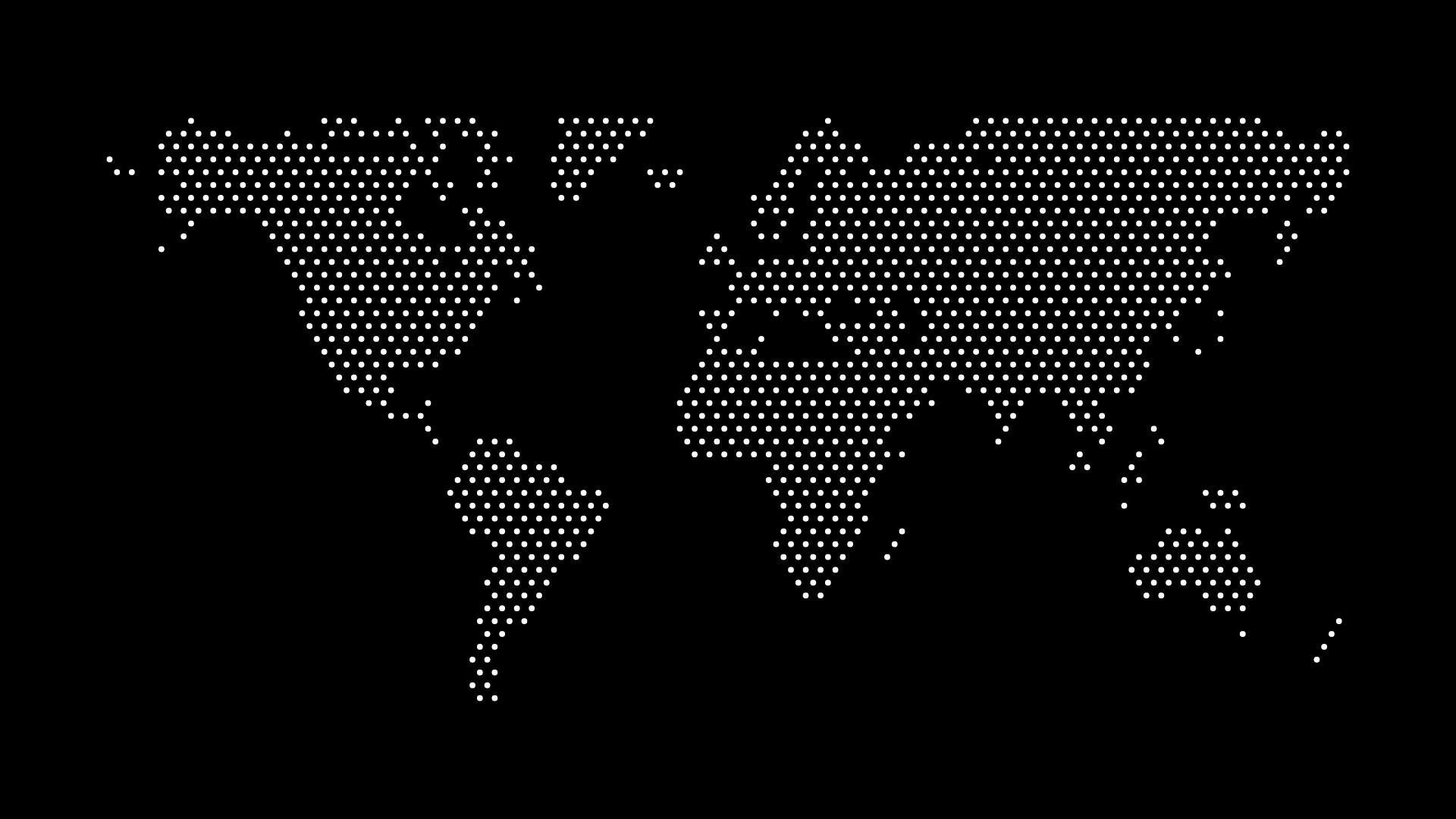
If you've searched for a world map graphic, Canva has probably come up — it's one of the most-used design tools on the internet, and its template library includes plenty of world map elements. But Canva and World in Dots solve the map problem differently, and which one actually gets you the result you need depends on what you're building and how much control you want over it.
What Canva Is Built For
Canva is a general-purpose design tool. Its world map elements are pre-made assets — static graphics, some outline-style, some dotted-style — that you drop into a broader design (a social post, a presentation slide, a poster) and then treat like any other Canva element: resize, recolor within Canva's available options, and layer with text and other graphics.
That's genuinely useful if the map is one piece of a bigger design you're already building in Canva and you don't need the map itself to be precise or deeply customizable. It's a weaker fit the moment you need a specific set of countries highlighted, a particular dot density, or a map that has to match an exact brand color rather than whatever swatches the template ships with.
What World in Dots Is Built For
World in Dots is a single-purpose generator: you choose which countries or regions to include, set dot size and density, pick colors, and export as SVG or PNG — nothing else. It's not trying to be a general design tool, which is exactly why it can go deeper on the one thing it does.
The practical differences that tend to matter most:
| Canva | World in Dots | |
|---|---|---|
| Country-level selection | Limited to what a given template shows | Full control over exactly which countries/regions appear |
| Dot density and size | Fixed per template | Fully adjustable |
| Export formats | PNG, PDF, and paid-tier SVG on some plans | SVG and PNG, free |
| Editing individual elements | Constrained to template design | Full control before export |
| Best for | A map as one element in a bigger design | A map as the primary deliverable |
Licensing Is the Detail Worth Checking
This is where the two tools diverge in a way that's easy to miss until it matters. Canva's map elements come from its own asset library, and usage rights depend on your Canva plan and the specific element's license terms — some elements are restricted from certain commercial uses, and it's worth checking a template's licensing before shipping it in something like a product or a paid publication. World in Dots generates the map from your own selections rather than licensing a pre-made asset, so there's no template-license question to check in the first place — you're exporting a graphic you configured, not reusing someone else's stock design.
If licensing clarity matters for your use case — a client deliverable, a printed product, anything you're reselling — that's a real point in favor of a generator-based tool rather than a template library, independent of which one is easier to use.
When Canva Is Genuinely the Better Choice
Canva wins when the map is a small piece of something bigger and you want to keep everything — text, icons, map, layout — in one editor without exporting and re-importing assets between tools. If you're building a full social carousel or a one-page flyer and the map is 10% of the visual, doing the whole thing in Canva end to end is often faster than generating a map elsewhere and importing it.
Canva also has the edge for anyone who wants zero setup: no deciding on countries or dot density, just pick a template and go. That's a real advantage when the map's precision doesn't matter much and speed does.
When World in Dots Is the Better Choice
Anytime the map itself is the point — a website hero, a specific set of highlighted countries for a business use case, a print asset that needs vector precision, or a graphic that has to match an exact brand palette — a purpose-built generator gets you there faster and more precisely than adapting a template designed for general use. It's also the better starting point if you're going to bring the map into a different tool afterward (Figma, a code editor, a print layout program), since a clean SVG export drops into those workflows more predictably than a template locked to Canva's own editor. For a broader look at how other stock and template-based options stack up against a dedicated generator, see free SVG map tools compared, the equivalent comparison against Freepik, and World in Dots vs Mapchart if you're weighing a choropleth-style tool instead.
Final Thoughts
Neither tool is wrong — they're built for different jobs. Canva is a design editor with maps as one available element among thousands; World in Dots is a map generator with nothing else competing for your attention. If you already know exactly what map you need and want to configure it precisely before dropping it anywhere else, start with a dedicated generator. If the map is a supporting piece of a larger Canva design you're already building, use what's already in front of you.